Designing a bathroom with accessibility and safety in mind benefits everyone, especially those with mobility challenges, seniors, and caregivers of young children. A well-planned bathroom not only reduces the risk of accidents but also enhances comfort, confidence, and independence for all users. Specific upgrades, such as walk-in showers, are transforming bathrooms by making them easier and safer to use, regardless of physical ability.
Many simple changes can make a significant difference. From choosing non-slip flooring to adjusting fixture heights and improving lighting, each aspect can reduce hazards and create a more welcoming environment. Accessible updates also often boost your home’s appeal and value, making them a wise investment for the future.
- Implementing safety features reduces the risk of falls and injuries.
- Accessible design enhances independence and comfort for all users.
- Thoughtful planning can increase your home’s value and appeal.
Assess Your Current Bathroom Layout
Begin with a thorough assessment of your bathroom. Check for barriers that could cause difficulty, particularly for those using mobility aids. Consider whether the space between fixtures is adequate, if doorways are wide enough for wheelchair access, and whether controls or shelves are within comfortable reach. This initial step helps identify critical areas needing updates or adjustments.
Evaluating your bathroom with a safety-first mindset lays the foundation for meaningful improvements. Make detailed notes on issues such as tight spaces, sharp corners, or areas with poor lighting. This information will be essential for planning effective modifications.
Install Non-Slip Flooring
One of the leading causes of bathroom injuries is slipping. Non-slip flooring options greatly enhance safety by drastically reducing this risk. Look for materials such as textured ceramic or porcelain tiles, slip-resistant vinyl, or attractive rubber floors. These choices help keep feet steady on wet surfaces, protecting everyone who uses the space. Additionally, removable bath mats and rugs should always have non-skid backings. Be cautious with older mats and rugs, as they often curl or slip over time, making them a hidden danger. Regular inspection and replacement can maintain a safer environment.
Incorporate Grab Bars and Handrails
Support in strategic locations is crucial for individuals experiencing balance or strength issues. Grab bars and handrails offer necessary support when entering, exiting, or standing in the shower or next to the toilet. Place them where users naturally reach for support, ensuring they are firmly anchored to wall studs for maximum load capacity (typically 250-300 pounds, depending on the model). Along with grab bars, consider installing handrails in transitional areas or in hallways leading to the bathroom. This helps maintain steady movement and prevents falls before reaching the bathroom itself.
Opt for a Walk-In Shower or Tub
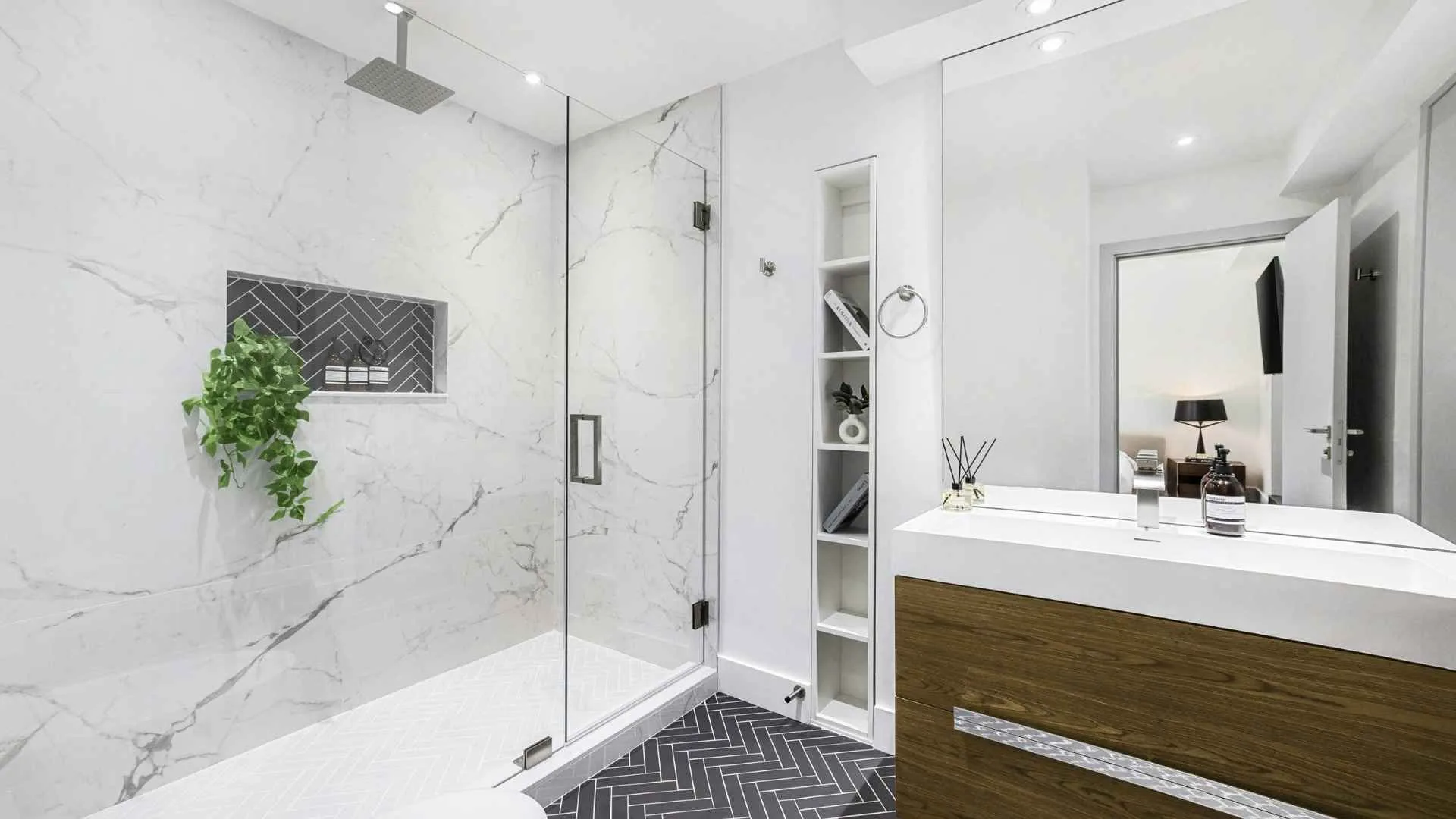
Traditional bathtubs with high edges can pose tripping hazards. A walk-in shower with a flush or very low threshold reduces obstacles, allowing easy access even for users with limited mobility. Many walk-in showers can be fitted with built-in or fold-down seats, further improving comfort and safety for long showers or for those who tire easily. These showers are designed with accessibility in mind. They may also include handheld showerheads, sturdy slip-proof flooring, and glass doors that swing both ways, offering maximum safety and convenience without compromising style.
Adjust Fixture Heights and Controls
Set sinks and vanities at heights that allow people using wheelchairs to roll underneath comfortably (generally 34 inches or lower). Comfort-height toilets, which are taller (about 17 to 19 inches high), make sitting and standing easier. Switch to lever-style faucets and door handles instead of round ones, as they are simpler to grip and operate for those with limited hand strength or arthritis.
Consider installing thermostatic mixing valves to keep bath and shower water at safe temperatures, thereby reducing the risk of accidental burns, especially important for seniors and children.
Enhance Lighting and Visibility
Bright, even illumination in every corner of the bathroom is critical for safety. Install ceiling-mounted fixtures with daylight-quality bulbs and add LED strips or sconces around mirrors and above showers to eliminate shadows. Motion-sensor lights or night lights can guide users safely during nighttime visits without having to reach for switches. Always ensure light switches are reachable from wheelchair height or when standing outside the room.
Ensure Adequate Space for Maneuverability
A bathroom must allow for easy movement and have clear pathways. Plan for at least a 60-inch turning radius to accommodate wheelchair users. Remove unnecessary furniture or excessive decor that blocks movement. Consider replacing standard doors with pocket doors or outward-swinging doors to free up valuable interior space. Simple adjustments like moving towel racks or waste baskets out of high-traffic zones can make the space safer and more comfortable for everyone.
Choose Accessible Storage Solutions
Avoid bending or stretching by placing shelves, drawers, and cabinets within easy arm’s reach. Consider using pull-out or soft-close drawers, lazy Susans, and clear labels for medical supplies or personal items. Vertical storage options optimize limited space and keep the floor clear, while baskets or bins help organize smaller items, such as toiletries, for added safety and orderliness.
Conclusion
Transforming a bathroom into a safe, accessible environment is a practical way to promote health, independence, and peace of mind for everyone in the home. Start with a careful assessment, choose thoughtful materials and fixtures, and prioritize both comfort and safety in every detail. These improvements provide long-term benefits, greater usability, and may significantly boost your home’s value and appeal for years to come.