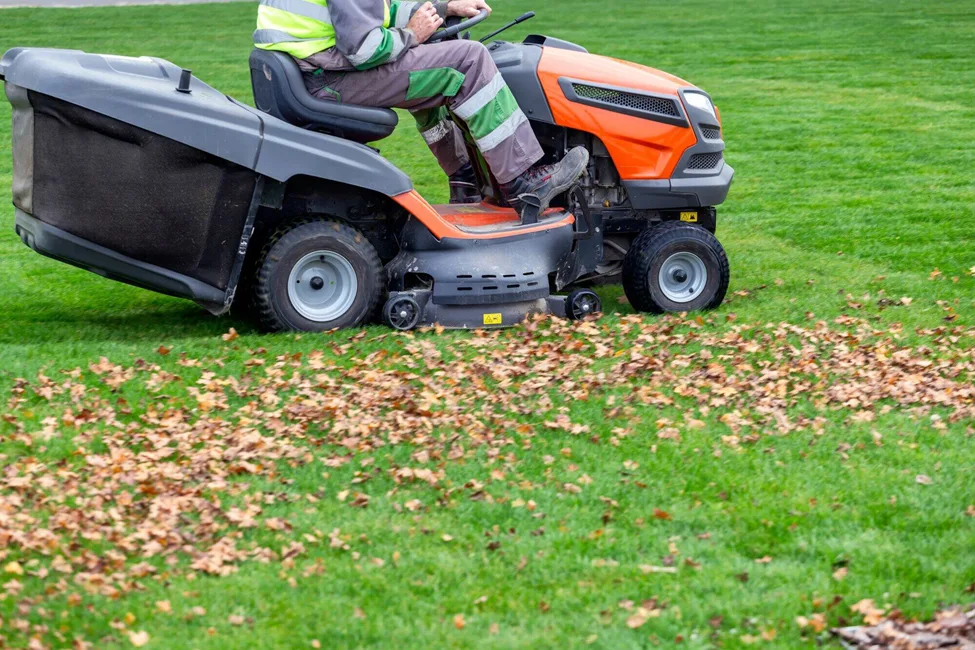
Green grass requires steady care throughout every changing month. A thriving yard needs smart mowing habits, precise watering schedules, and proper feeding routines. Simple adjustments throughout spring, summer, and fall keep outdoor spaces healthy.
Seasonal Temperature Traps To Watch
Keeping a yard green across four distinct seasons demands a consistent routine. Local climate variations play a massive role in turf health, and the team from myeaglelawns.com says that customized feeding schedules keep roots strong year-round. Homeowners who ignore these seasonal shifts often see patches fade fast during summer heat spikes.
Unexpected cold snaps can stall blade development right before full summer growth arrives. Adjusting lawn care plans as soil temperatures shift stops thin spots from spreading across property lines. Spring lawn prep helps soil recover after long winter freezing periods. Clear soil testing gives guidance on exact nutrient needs.
Mowing Heights That Protect Grass Roots
Set your mower blades high in summer. A university guide says keeping the deck at 2.5 inches or higher helps grass crowd out weeds and survive dry spells. Cutting too short weakens roots and exposes soil to the sun.
Keep blades sharp for clean cuts that heal fast. Dull blades tear grass and leave brown tips. Check tire pressure on riding mowers to keep an even cut. Mow often so tall grass doesn’t choke out low stems.
Temperature Windows For Peak Growth
Time your fertilizer and aeration with your local weather to keep your lawn strong. A Midwestern university guide says grass grows best when the air is between 55 and 75 degrees Fahrenheit. Do heavy lawn work within that temperature range. That helps your grass recover quickly.
Several key lawn tasks fit best into cool weather windows:
- Aerating compacted soil
- Overseeding thin patches
- Applying balanced treatments
- Raking fallen autumn leaves
Working around natural weather cycles saves time and effort during peak growing seasons. Grass plants build up energy reserves best when weather stays moderate. Mild seasonal conditions give young grass shoots room to spread without heat stress. Proper timing yields stronger roots before winter arrives.
Soil Preparation And Aeration Methods
Hard-packed dirt makes water penetration difficult for growing grass roots. Core aeration pulls small soil plugs out of the lawn, opening channels for liquid and oxygen. Performing core aeration once a year prevents dirt compaction from foot traffic.
Adding organic compost across topsoil restores necessary nutrients lost during hot months. Spreading a thin layer of compost helps dirt hold water without becoming soggy. A healthy soil foundation supports thick grass growth year after year.
Watering Techniques For Deep Roots
Water deeply but not often. This helps roots grow deep into the ground. Light daily watering keeps roots near the surface where soil dries fast. Water early in the morning to reduce evaporation. Morning watering gives leaves time to dry before night.
Check soil moisture to avoid overwatering when it rains. Too much water blocks oxygen from roots and causes disease. Check the weather before setting your sprinkler timer. That saves water. Healthy roots need air pockets in the soil to take in nutrients.
A healthy yard needs regular care, the right mowing height, and attention to the seasons. Follow basic lawn rules to keep your yard thick and green all year. Small steps today build a lawn that lasts for years.
If you’d like to learn more, check out more articles on our blog.