A bathroom remodel can feel deceptively small. You’re working with one compact room, yet the decisions stack up fast: tile, plumbing, lighting, storage, ventilation, and the budget gymnastics that come with all of it. If your goal is a space that looks better, works harder, and doesn’t quietly drain your wallet, you need a plan before the demo dust starts flying. A smart remodel isn’t about spending big. It’s about spending with intent.
Start With What Actually Needs to Change
Before you browse tile samples for fun and suddenly care deeply about brushed brass finishes, take a hard look at how your bathroom works right now.
Ask yourself:
– Is the layout awkward?
– Do you need more storage?
– Is there old plumbing causing problems?
– Does the room feel dark, cramped, or dated?
– Are moisture issues damaging paint, grout, or drywall?
It helps to separate needs from wants. A leaking shower valve is a need. A rainfall showerhead with LED mood lighting is a want, even if it sounds impressive.
Write down your top three priorities. Maybe you need a safer tub-to-shower conversion, better lighting at the vanity, or flooring that won’t turn into an ice rink when wet. That short list becomes your filter for every decision that follows.
Set a Budget That Includes More Than the Pretty Stuff
A lot of remodel budgets fall apart because people price the visible finishes and forget the hidden costs. The mirror gets all the attention; the subfloor quietly demands money in the background.
Your budget should cover:
– Demolition and disposal
– Plumbing and electrical work
– Flooring and wall materials
– Vanity, sink, toilet, and fixtures
– Lighting and ventilation
– Labor costs
– Permit fees, if required
– A contingency fund for surprises
That last item matters more than most people expect. Older bathrooms love plot twists. Water damage behind tile, outdated wiring, and uneven floors aren’t rare finds. They’re regulars.
If you’re trying to estimate bathroom remodeling cost, focus on scope first. A cosmetic refresh costs far less than moving plumbing lines or rebuilding a shower from scratch. Budgeting gets clearer once you know whether you’re updating surfaces or reworking the room at a structural level.
Keep the Existing Layout if You Want to Save Real Money
Moving a toilet sounds simple until the plumbing bill arrives with main-character energy. One of the most effective ways to control costs is keeping the current layout intact.
When you leave the toilet, sink, and shower where they are, you usually avoid:
– Major plumbing rerouting
– Extra demolition
– More complicated waterproofing work
– Longer labor timelines
– Additional inspection issues
That doesn’t mean your bathroom has to look identical. You can still make dramatic changes with a new vanity, better tile, updated lighting, and smarter storage.
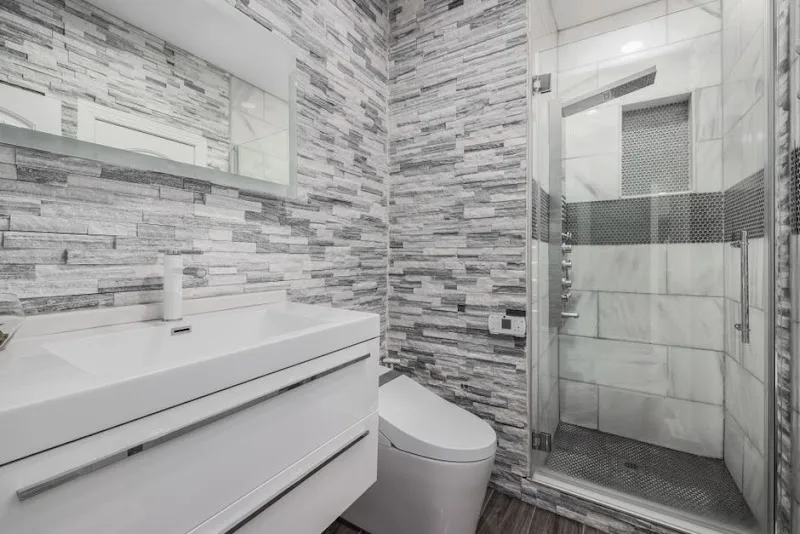
A small bathroom, especially, benefits from strategic upgrades rather than a full spatial overhaul. Swap a bulky vanity for a floating one, install a larger mirror, and use glass shower panels to open sightlines. Those choices can make the room feel bigger without forcing your plumber into a full engineering side quest.
Choose Materials That Can Handle Real Life
Bathrooms deal with steam, splashes, heat, and constant use. Materials need to survive more than a quick showroom glance.
Look for surfaces that are:
– Water-resistant or waterproof
– Easy to clean
– Durable under daily wear
– Suitable for humid environments
– Less likely to stain or crack
Porcelain tile is popular for a reason. It’s durable, relatively low maintenance, and available in styles that mimic stone or wood without the fussy upkeep. Quartz countertops are another practical pick if you want a polished look without the sealing routine that natural stone often requires.
Paint matters too. Use a bathroom-rated paint with moisture resistance, especially if your ventilation isn’t great. Speaking of ventilation, a good exhaust fan isn’t glamorous, but it does more for your bathroom’s longevity than a trendy faucet ever will.
Focus on Lighting and Ventilation Early
A bathroom with bad lighting can make even a fresh remodel feel off. If the mirror area casts strange shadows, your morning routine becomes an accidental horror movie.
You want layered lighting, not just one ceiling fixture doing all the work.
A practical lighting setup often includes:
– Overhead ambient lighting
– Task lighting near the mirror
– Optional accent lighting for niches or under-vanity glow
– Fixtures rated for damp or wet locations where needed
Place vanity lights at the sides of the mirror or use a fixture that spreads light evenly across your face. That helps with shaving, skincare, makeup, and the general goal of not looking backlit by chaos.
Ventilation deserves equal attention. A properly sized exhaust fan helps control moisture, protect finishes, and reduce the risk of mold. If your current bathroom gets foggy and stays foggy, that’s not ambiance. That’s a warning sign.
Think About Storage Before the Room Is Finished
Storage gets overlooked until the remodel is almost done, and then you’re wondering where the extra towels, cleaning supplies, and backup toilet paper are supposed to live.
A bathroom doesn’t need huge square footage to store things well. It needs planning.
Useful storage ideas include:
– Vanities with deep drawers instead of awkward cabinets
– Recessed medicine cabinets
– Built-in shower niches
– Floating shelves over the toilet
– Tall linen cabinets for narrow spaces
– Drawer organizers for daily essentials
Try to keep the countertop as clear as possible. A bathroom looks cleaner and feels larger when everyday items have a home.
Also think about who uses the space. A primary bathroom, guest bath, and kids’ bathroom all need different storage strategies. Teenagers, for example, can generate an almost industrial volume of products from a surprisingly small bag.
Know Where DIY Helps and Where It Backfires
Doing parts of the remodel yourself can save money, but only if you’re realistic about your skills. Painting walls? Usually manageable. Installing waterproof shower membranes incorrectly? That can get expensive fast.
DIY often makes sense for:
– Painting
– Simple hardware changes
– Mirror installation
– Demolition, if done carefully
– Accessory and decor updates
Professional help is usually worth it for:
– Plumbing work
– Electrical updates
– Tile installation in wet areas
– Waterproofing
– Structural repairs
– Permit-related tasks
A mistake behind the walls tends to cost more than a mistake on the walls. If water escapes where it shouldn’t, you’re no longer dealing with style choices. You’re dealing with repairs, mold concerns, and a budget that starts sweating.
Get multiple quotes, check references, and ask detailed questions about timelines, materials, and cleanup. Good contractors won’t act annoyed because you want clarity.
Plan for Function First, Style Right After
A bathroom should look good, but it also has to work on sleepy mornings, rushed school days, and weekends when everyone in the house somehow needs it at once.
The best remodels balance form and function. That means thinking about:
– Door clearance
– Vanity height
– Outlet placement
– Slip-resistant flooring
– Shower access
– Easy-to-reach storage
– Cleaning and maintenance needs
Style still matters. You want a room you enjoy being in. Just avoid locking yourself into very specific trends unless you genuinely love them. A bold tile pattern can look amazing, but timeless choices for major surfaces usually age better.
If you’re stuck, keep permanent elements classic and let personality show up through lighting, mirrors, paint, or hardware. Those are easier to update later.
A Good Remodel Is Really a Good Decision Process
The strongest bathroom remodels don’t happen because someone picked the fanciest materials or copied a perfect photo online. They happen because the choices match the budget, the space, and the way you actually live.
If you plan carefully, protect your budget with a cushion, and focus on performance as much as appearance, you’ll end up with a bathroom that feels like an upgrade instead of a financial ambush. Good design has flair, sure. Good planning keeps the whole thing from turning into an expensive lesson with nice tile.