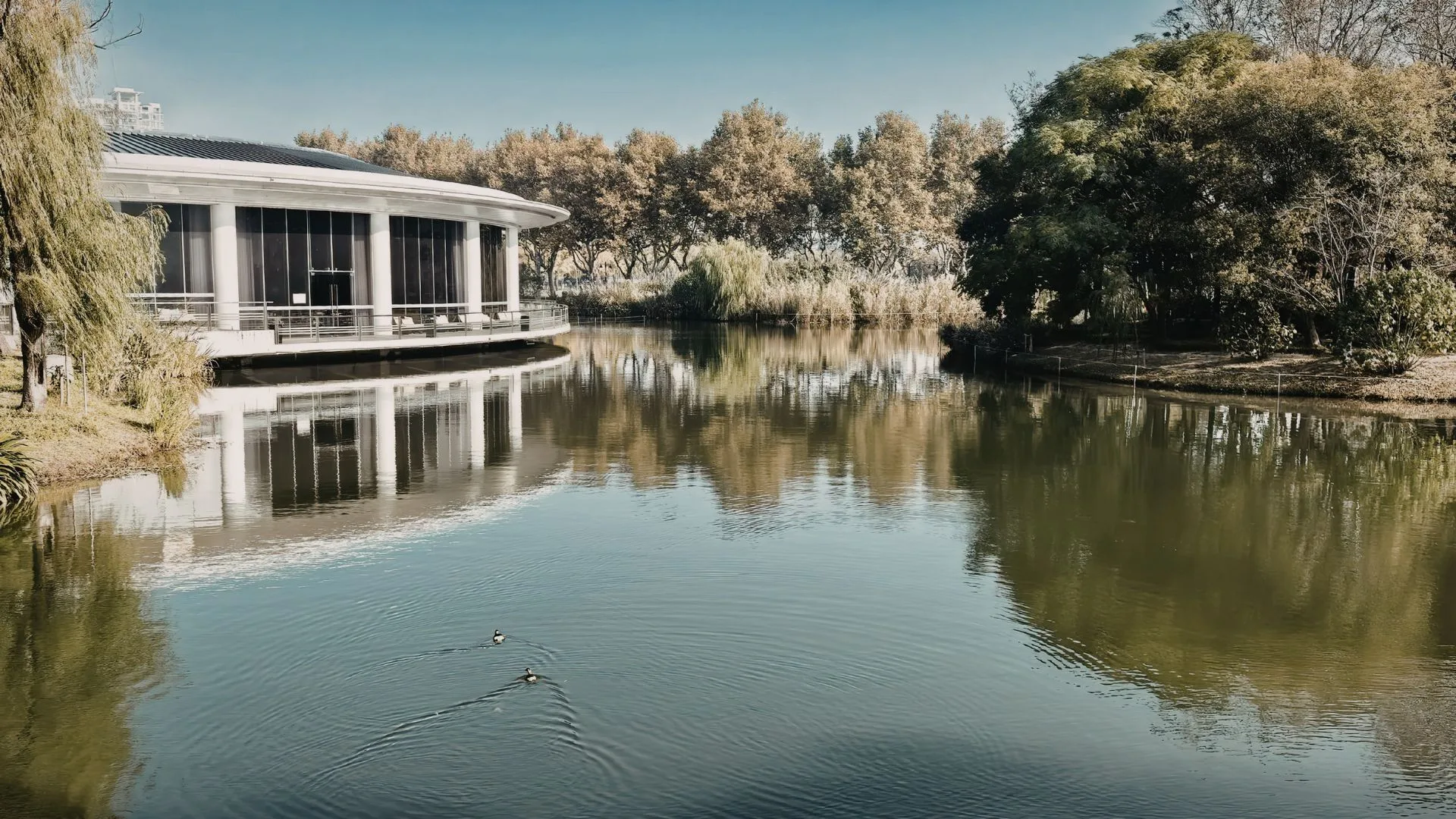
Complex waterfront construction calls for more than a standard building crew. As a Central Texas waterfront construction company, Lakeside Structures plans and builds docks, piers, boathouses, bulkheads, seawalls, retaining walls, piling systems, boat lifts, and related shoreline improvements for property owners facing difficult lakefront conditions. Whether the concern is a leaning bulkhead, an unstable dock, shoreline erosion, a damaged boathouse, or a new waterfront vision, Lakeside Structures brings marine-focused equipment, permitting coordination, and on-site project management into one organized process. That matters because water access, changing conditions, structural loads, and lake-specific rules can all affect the scope of work.
Why Is Waterfront Construction in Central Texas Different?
Lakefront work is shaped by conditions that do not usually apply to land-based construction. A crew may need to evaluate shoreline access, water depth, existing foundations, soil movement, drainage, fluctuating water levels, and the condition of structures near or below the waterline. Work may also require barges, marine tools, and pile-driving equipment rather than ordinary access from a driveway or yard. Texas has 196 major reservoirs, and the conditions around them are influenced by factors such as precipitation, evaporation, soil type, geology, slope, land use, and runoff. Those variables are why reservoir conditions vary across the state, and why a waterfront plan should be based on the individual property rather than a one-size-fits-all approach. Lakeside Structures approaches these projects as connected systems. A shoreline wall, for example, can affect dock access, drainage, usable yard space, and the structural support needed for a boathouse. Looking at those elements together helps owners make better decisions before construction begins.
Which Waterfront Construction Services Does Lakeside Structures Provide?
Bulkheads, Seawalls, and Retaining Walls
For shorelines affected by erosion, underwashing, settlement, or loss of usable land, Lakeside Structures builds and replaces bulkheads, seawalls, and waterfront retaining walls. The appropriate scope depends on the wall’s condition, the surrounding ground, drainage patterns, and the support required behind the structure.
Docks, Piers, Pilings, and Boat Lifts
Lakeside Structures designs and constructs docks and piers, as well as structural piling systems, access features, and boat lift installations. These projects can include replacing deteriorated components, improving lake access, expanding usable space, or creating a new dock layout that works with a property’s shoreline and boat needs.
Custom Boathouses and Marine Restoration
A boathouse project may involve new construction, expansion, structural upgrades, restoration, or repairs after damage. Lakeside Structures can coordinate the waterfront elements that must work together, including structural support, dock connections, boat lift placement, and shore access.
Marine Repairs and Replacement
Not every damaged structure requires complete replacement. Lakeside Structures can assess visible deterioration and structural movement to help determine whether repair, reinforcement, partial reconstruction, demolition, or a full rebuild is the more practical path.
How Does Lakeside Structures Manage Waterfront Permitting?
Permitting is often a major part of waterfront construction, especially when a project changes a dock footprint, affects the shoreline, or involves work near the water. Lakeside Structures has an in-house permitting team to help manage the planning and approval processes for a project. Requirements can differ by lake, jurisdiction, and project type. For example, owners on the Highland Lakes must follow standards for residential docks, while local jurisdictions and property owner associations may also have applicable rules. The dock and marina requirements for the Highland Lakes illustrate why early planning is important. During planning, Lakeside Structures can help identify the relevant shoreline authority, review the proposed structure and construction method, organize plans and supporting documents, and track communications and any revisions that may be needed during review. Approval needs vary, so each project should be evaluated based on its location and scope.
What Does the Lakeside Structures Construction Process Include?
- Site review: The team evaluates the shoreline, water access, existing structures, visible damage, and the owner’s goals.
- Scope development: Lakeside Structures identifies the likely construction, repair, structural support, and accessory needs.
- Permitting and planning: The team organizes approval-related documentation and project logistics.
- Construction: Crews complete the required demolition, piling, shoreline work, structural installation, and finish details.
- Daily oversight: On-site project management helps keep construction coordinated and provides a clear point of communication.
- Final walkthrough: The completed work is reviewed with the owner, along with relevant care and maintenance considerations.
Which Waterfront Problems Can Lakeside Structures Address?
Leaning or Underwashed Bulkheads
A bulkhead that is leaning, settling, cracking, or losing soil behind it may need more than a surface repair. Lakeside Structures can evaluate whether drainage, backfill, tiebacks, pilings, or foundation conditions are contributing to the problem.
Unstable Docks
When a dock feels uneven or unstable, the concern may involve framing, flotation, fasteners, anchoring, pilings, or shoreline connections. A useful evaluation considers both the visible dock and its supporting system.
Boathouse Upgrades
Owners who need more room for a different boat, updated access, improved functionality, or repairs to an aging structure can work with Lakeside Structures on an integrated boathouse plan rather than treating each waterfront component as a separate project.
Flood and Erosion Damage
Flooding, runoff, and water-level changes can expose foundations, shift structures, damage walls, and remove shoreline material. Lakeside Structures can assess the affected area before recommending a repair or replacement strategy.
Why Does Marine Specialization Matter?
A general contractor may be well-suited to many land-based improvements. However, projects involving construction from the water, dock pilings, shoreline stabilization, lake-specific permitting, or interconnected dock and boathouse systems may require marine-focused capabilities.
- Water-based access: Lakeside Structures uses barges and specialized equipment for work that cannot be efficiently completed from shore.
- Structural foundations: Dock, pier, and boathouse projects may require piling solutions designed for waterfront conditions.
- Integrated planning: Shoreline protection, boat access, dock layout, and structural support can be planned as parts of one project.
- Permitting support: In-house coordination can reduce the burden on owners managing waterfront approval requirements.
Frequently Asked Questions
What does Lakeside Structures build?
Lakeside Structures builds and repairs bulkheads, seawalls, retaining walls, docks, piers, boathouses, piling systems, boat lifts, and other waterfront improvements in Central Texas.
Can Lakeside Structures repair an existing bulkhead?
Yes. The team can assess a failing bulkhead and help determine whether repair, reinforcement, partial replacement, or complete reconstruction is appropriate.
Does Lakeside Structures handle permitting?
Yes. Its in-house permitting team helps coordinate approval-related planning based on the project location, structure type, and applicable requirements.
What is the first step for a waterfront construction request?
A site assessment is the appropriate first step. It allows Lakeside Structures to review the property, discuss priorities, identify likely constraints, and outline practical next steps.
Conclusion
Waterfront construction in Central Texas requires careful planning because shoreline conditions, water access, structural support, permitting requirements, and existing damage can all affect the project. Lakeside Structures provides a range of services, including docks, piers, boathouses, bulkheads, seawalls, retaining walls, pilings, boat lifts, repairs, and restoration work. Its in-house permitting team and marine-focused equipment can help address some of the logistical challenges associated with lakefront construction. However, the appropriate solution depends on the specific property, existing structure, shoreline conditions, and project goals. A site assessment can help determine whether repair, reinforcement, replacement, or new construction is the most suitable approach. By evaluating these factors before work begins and coordinating construction and permitting requirements early, property owners can develop a clearer understanding of the project’s scope, timeline, and practical considerations. For complex waterfront improvements, a structured process can help keep the work organized from initial assessment through completion.