Whether you are clearing a condo near the beach, reclaiming a packed garage, or preparing a rental between tenants, a cleanout can feel overwhelming without a plan. A room-by-room approach helps Hollywood residents make steady progress while keeping usable belongings separate from actual waste.
For projects involving bulky furniture, appliances, multiple rooms, or tight turnaround times, arranging junk removal Hollywood FL, can simplify the hauling portion of the job. The best results still begin with basic preparation, especially in South Florida spaces where garages, sheds, and patios can collect years of clutter.
Why Cleanout Planning Matters
Clutter tends to grow when belongings lack a designated place. A written plan reduces repeated lifting, unnecessary disposal trips, and rushed choices about sentimental or valuable items. It also helps when a home is being sold, remodeled, vacated, or readied for a new renter. Construction materials, paint, electronics, and appliances may require handling that differs from normal household trash.
Set a Clear Goal Before Sorting
A garage may begin as a place to park a vehicle, then gradually become a storage area for boxes, tools, holiday decorations, and old furniture. Before touching the first item, ask: “What should this space be able to do when the cleanout is finished?” Your answer might be making room for a car, clearing access for contractors, downsizing after a move, or getting a rental ready for its next occupant.
Build Simple Sorting Zones
Create four clearly marked areas with tape, bins, or labeled corners:
- Keep: Useful items with a specific place or purpose.
- Donate: Clean, functional goods that someone else can use.
- Recycle: Eligible cardboard, metal, electronics, and containers.
- Dispose: Broken, unsafe, damaged, or unusable items.
A “maybe” pile can easily become new clutter. Set a decision deadline for uncertain items, and photograph valuable pieces before selling or donating them.

Follow a Room-by-Room Plan
Bedrooms, Closets, and Living Areas
Sort clothing, shoes, linens, bags, books, décor, and media equipment by category. Check under beds, inside drawers, and behind furniture before moving large pieces. Measure oversized furniture and clear doorways before attempting to carry it out.
Kitchens, Utility Rooms, and Storage Spaces
Separate expired food from usable cookware and pantry goods. Secure sharp objects and broken glass in sturdy containers. In attics, sheds, and storage rooms, wear gloves and sturdy shoes, watch for water damage or pests, and avoid climbing on weak boxes or overloaded shelving.
Handle Garage Clutter Safely
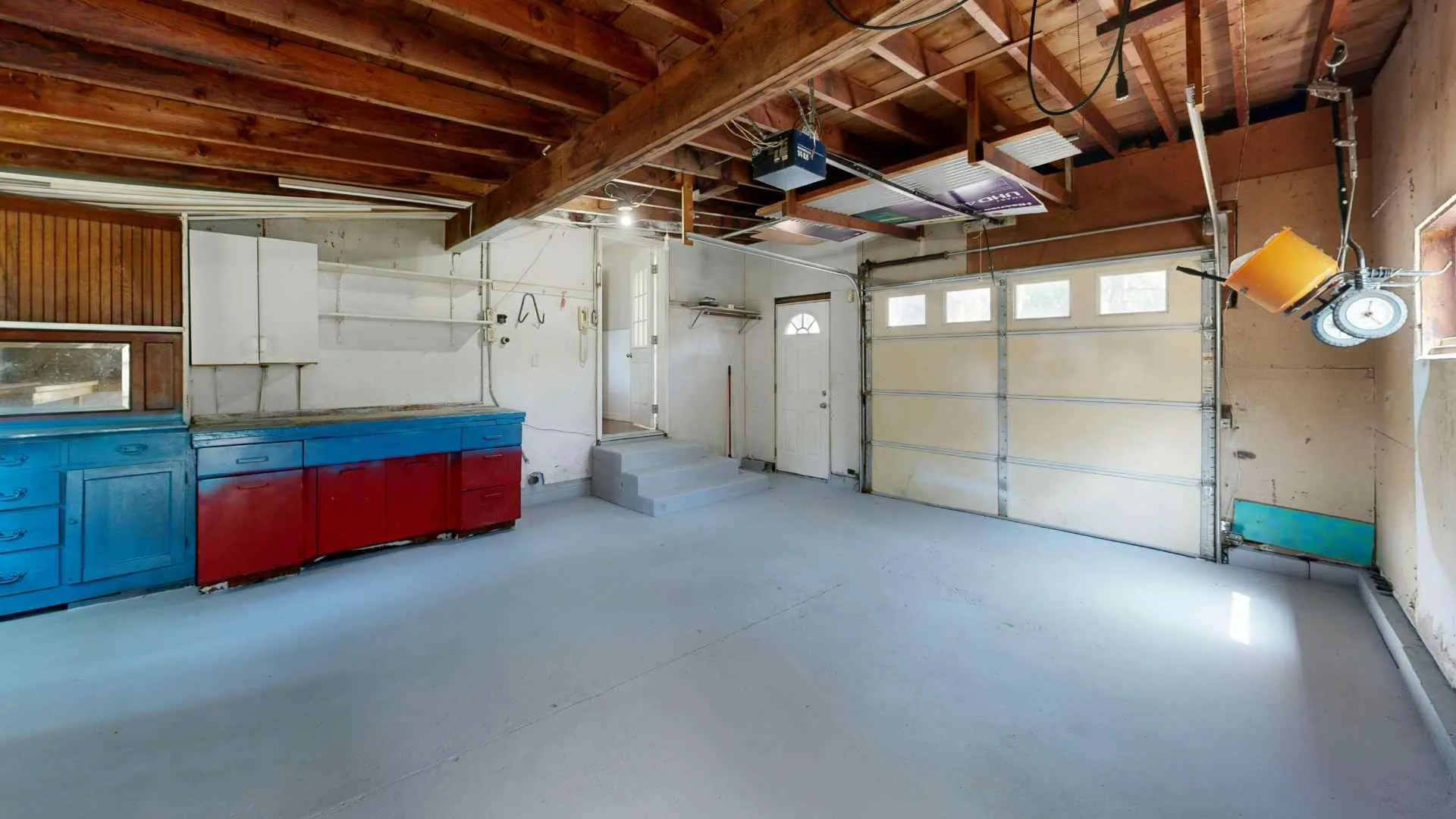
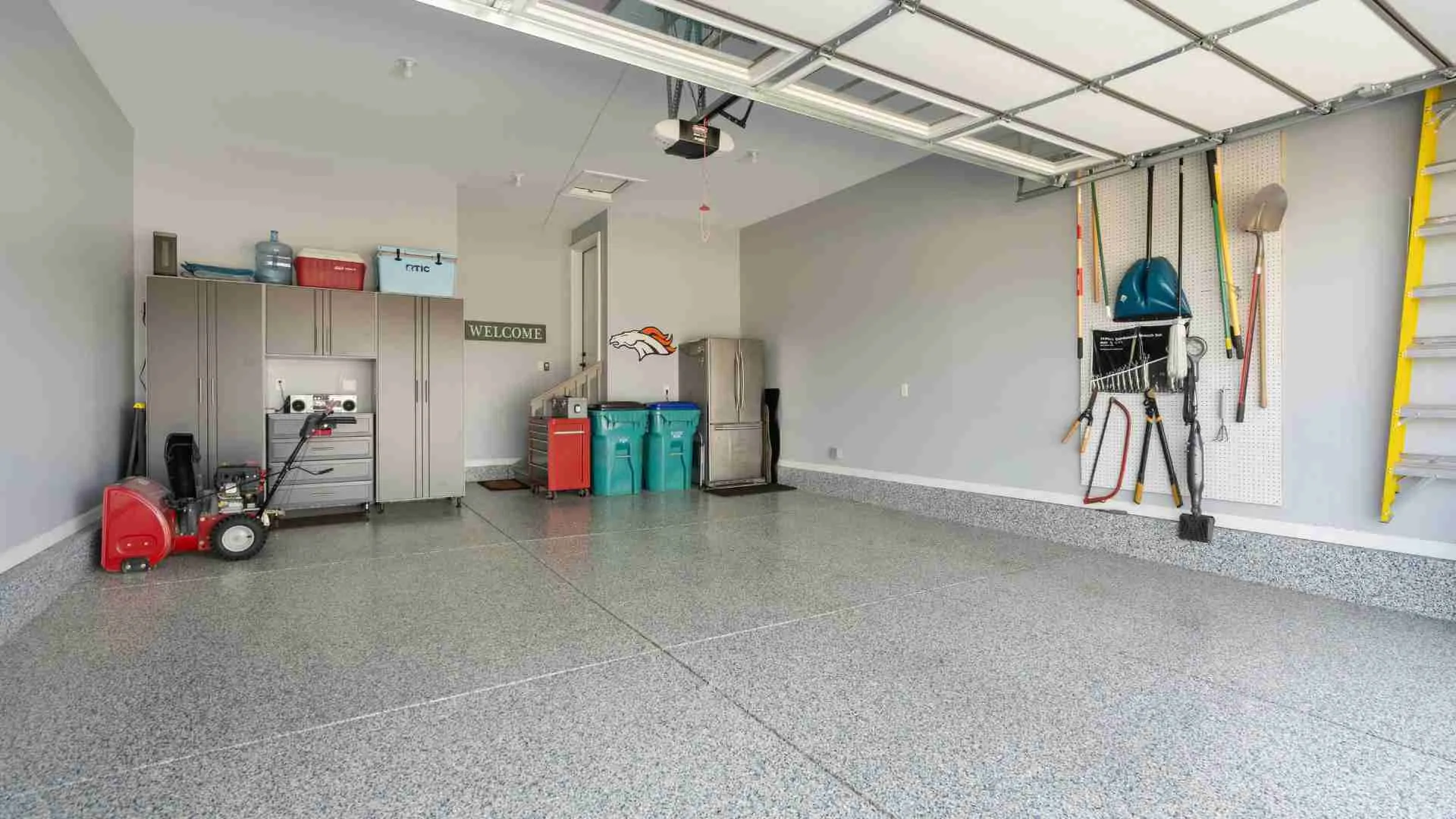
Garages need extra care because they can contain heavy tools, shelving, fuel, paint, sports equipment, and awkward appliances. Start by opening a safe path from the entrance to the driveway. Move lightweight boxes first, group similar items together, and inspect closed containers before opening them. Set aside batteries, fuel, chemicals, propane tanks, and unknown liquids rather than mixing them into general debris. Final cleanout pricing commonly depends on volume, labor, access, item weight, and disposal requirements.
Prepare a Rental Property for the Next Occupant
A rental turnover is a deadline-driven cleanout. Photograph the unit before removal begins, then check cabinets, closets, patios, garages, and storage areas. Separate abandoned personal property from owner-provided fixtures and appliances. Schedule hauling before deep cleaning, painting, repairs, and inspections so one delayed task does not hold up the next.
Separate Renovation Debris From Household Junk
Remodeling projects can create wood, cabinets, tile, drywall, flooring, fixtures, cardboard, plastic wrap, and insulation simultaneously. Keep mineral materials such as concrete, brick, and tile separate from ordinary household goods. In Hollywood, the city identifies construction and demolition debris as unacceptable for regular garbage collection, so plan a proper disposal route before loading a container or placing materials curbside.
Donate, Recycle, and Dispose Responsibly
Donate clean furniture, clothing, kitchenware, and working appliances when accepted by a local organization. Recycle suitable cardboard and metal, and consider reusing safe lumber, cabinets, hardware, and other building materials. The City of Hollywood’s recycling and disposal directory explains that hazardous products need separate handling. For computers, phones, and similar devices, erase personal information and remove batteries before using an approved recycler.
Choose DIY or Professional Help
DIY can work for small projects with light items, enough time, a suitable vehicle, and no restricted materials. Outside help may be safer when there are heavy appliances, large furniture, stairs, narrow hallways, difficult access, several rooms of material, or a firm rental deadline. The right choice depends on the workload and the risks involved.
Plan the Budget
Build a budget based on the amount of material, the number of bulky items, labor needs, travel distance, disposal restrictions, and property access. Ask for a written estimate that identifies loading, transportation, disposal, recycling, minimum charges, and potential added fees. This makes it easier to compare options fairly.
Use a Final Cleanout Checklist
- Check every room, cabinet, closet, patio, and storage area.
- Remove important documents, keys, and valuables.
- Separate keep, donate, recycle, and dispose of items.
- Store restricted materials safely for proper drop-off.
- Clear hauling paths and measure large items.
- Schedule pickups, cleaning, and final photographs.
Common Questions
What should be removed first during a home cleanout?
Start with obvious trash, broken items, and anything blocking walkways. Then address large furniture and appliances. Review papers, photos, and valuables more slowly.
Can renovation debris go in regular household trash?
Often, no. Materials such as drywall, lumber, tile, concrete, and roofing may have separate disposal requirements.
How can a rental turnover move faster?
Use a checklist, inspect every storage area, coordinate removal before cleaning, and keep repair teams aware of the schedule.
Conclusion
A successful Hollywood cleanout starts before the first box reaches the driveway. Set a clear goal, sort items early, protect yourself when lifting, and match each material to the appropriate donation, recycling, or disposal option. With a practical plan, homes, garages, and rental properties can move from crowded to ready for what comes next.