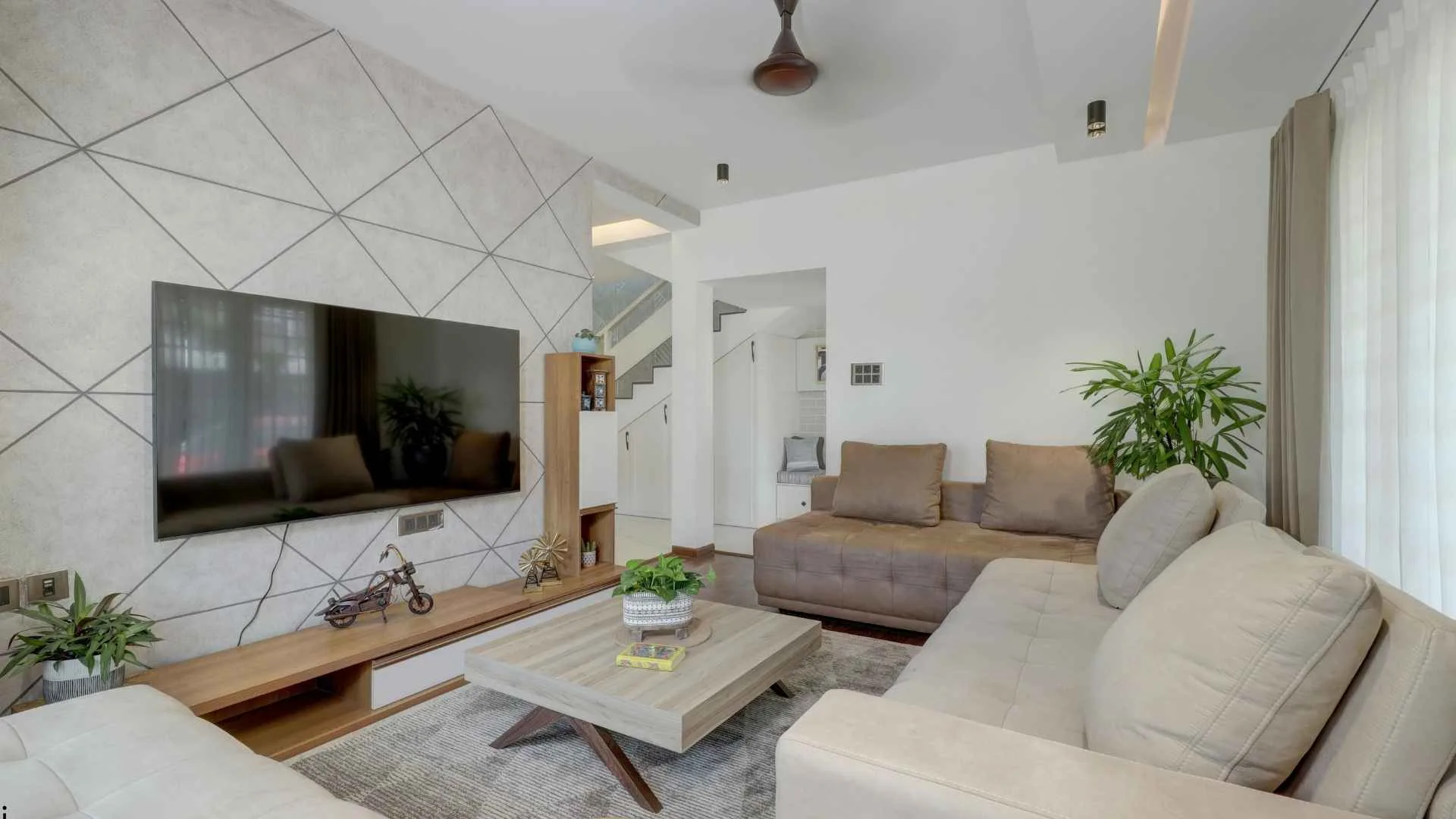
A small living room does not have to feel cramped or uncomfortable. With thoughtful furniture placement, suitable colors, smart storage, and good lighting, even a compact room can become a comfortable and attractive part of the home.
The key is to make every design decision work with the available space rather than against it. Oversized furniture, excessive decoration, and poor layouts can quickly make a small room feel crowded. On the other hand, a simple design with carefully selected pieces can create a sense of openness.
Here are ten practical ideas for making a small living room feel more spacious.
1. Start With the Furniture Layout
Before purchasing anything new, examine how the existing furniture is positioned.
Leave clear pathways around the main seating areas and avoid placing large pieces directly in front of doors or important walkways.
Try different arrangements until the room feels easy to move through. Sometimes simply moving a sofa a few inches or changing the position of a chair can make the entire space feel more comfortable.
2. Choose Furniture That Fits the Room
Furniture should be proportional to the size of the living room.
A large sectional may provide plenty of seating, but it can dominate a small space. Consider furniture with a smaller footprint while still providing enough seating for the household.
Pieces with exposed legs can also create a lighter visual effect because more of the floor remains visible.
3. Use Light Colors Strategically
Light colors can help a room feel brighter and more open. Whites, soft neutrals, light gray, and gentle earth tones can provide a flexible foundation.
You do not have to make everything the same color. Add contrast through cushions, artwork, rugs, or smaller decorative pieces.
The goal is to create a balanced palette rather than making the room visually busy.
4. Take Advantage of Natural Light
Natural light can make a small living room feel considerably more open.
Keep windows as clear as possible and avoid placing large furniture directly in front of them. Lightweight curtains can provide privacy without completely blocking daylight.
If the room receives limited natural light, mirrors and strategically placed lamps can help brighten darker areas.
5. Use Mirrors Carefully
A well-positioned mirror can reflect light and create the impression of additional depth.
Large mirrors can work particularly well on walls opposite windows or near natural light sources. However, the frame and shape should complement the overall interior design.
Avoid covering every available wall with mirrors. One carefully selected piece is often enough to create the desired effect.
6. Choose Furniture With More Than One Purpose
Multifunctional furniture can be extremely useful in compact homes.
A storage ottoman can provide seating while keeping blankets or other items out of sight. A console can provide a decorative surface while also offering storage.
This approach reduces the number of separate furniture pieces needed in the room and helps maintain a cleaner layout.
7. Use Vertical Space
When floor space is limited, look upward.
Tall shelves, wall-mounted cabinets, and vertical storage can provide useful space without taking up much floor area.
You can also use vertical wall space for artwork or decorative arrangements. Just avoid filling every wall because too many objects can make the room feel crowded.
8. Control Visual Clutter
Clutter can make even a relatively large room feel smaller.
Keep everyday objects organized and give frequently used items a designated place. Baskets, cabinets, drawers, and shelves can help keep surfaces clear.
You do not need to remove everything from view. Instead, create a balance between useful objects and open space.
9. Create a Clear Focal Point
A small living room can benefit from one main visual focus.
This could be a piece of artwork, a fireplace, a television wall, or an attractive seating arrangement.
When there are too many competing focal points, the room can feel visually chaotic. A clear focal point gives the space structure and makes the design easier to understand.
10. Keep the Design Simple
One of the most effective ways to make a small room feel larger is to avoid unnecessary complexity.
Choose furniture and décor that serve a clear purpose. Instead of filling empty areas simply because there is space available, allow some areas to remain open.
A simple design can also make it easier to change the room later as your needs evolve.
Think About Custom Furniture
Standard furniture does not always work well in unusual or compact rooms. Custom solutions can make it possible to use difficult corners, narrow walls, or awkward spaces more efficiently.
For example, a built-in storage unit can combine shelves, cabinets, and display areas in one coordinated design.
Ideas from commercial furniture can also provide inspiration for homeowners looking for durable, practical, and space-efficient solutions.
Shop Fixtures are designed for organized product presentation, but similar principles can inspire homeowners when thinking about shelving, storage, and display furniture.
Use Displays Without Overcrowding
Decorative displays can add personality to a living room, but they should be carefully controlled in smaller spaces.
Instead of placing many objects throughout the room, group a few meaningful items together. A bookshelf, console, or wall shelf can become a dedicated display area.
The principles behind Retail Shop Displays can also be useful as inspiration: grouping related objects and creating a clear visual focus can make a display easier to appreciate.
Final Thoughts
Making a small living room feel spacious is mostly about thoughtful decisions rather than expensive renovations.
Start with the layout, choose furniture that fits the room, maximize natural light, control clutter, and use storage strategically. Add décor gradually instead of trying to fill the entire space at once.
A comfortable home does not depend on having a large amount of space. With careful planning, even a compact living room can feel open, organized, stylish, and welcoming.