Before installing solar panels, check that your roof is sound and gets good sun, confirm your household energy needs, and understand local permit and utility rules. Compare several detailed quotes rather than picking the lowest price. Factor in payback time, warranties, and whether you want battery backup. Doing this homework upfront helps you avoid surprises and get a system that pays off for decades.
Introduction
Picture spending tens of thousands of dollars on a rooftop system, then watching your monthly savings trickle in at a fraction of what you expected. It happens more often than you’d think, and almost always because the homework got skipped. Solar can be a smart move for Canadian homeowners, but whether you end up glad you did it usually depends on what you check first.
A little planning goes a long way here. A trusted resource about solar panel installation can walk you through the local details, but you’ll still want to understand the basics yourself before any contract gets signed. Knowing the right questions to ask keeps you steering the conversation rather than leaning on whatever a salesperson tells you.
This guide breaks down seven things worth knowing before the panels go up, so you can move ahead with a clear head.
The 7 Checks That Make or Break a Rooftop Solar Project
Getting solar right starts long before anyone climbs onto your roof. The homeowners who end up happy are the ones who work through a handful of practical checks first. Here are the seven that matter most, grouped so you can tackle them in a sensible order.
1. Is Your Roof Ready for Panels?
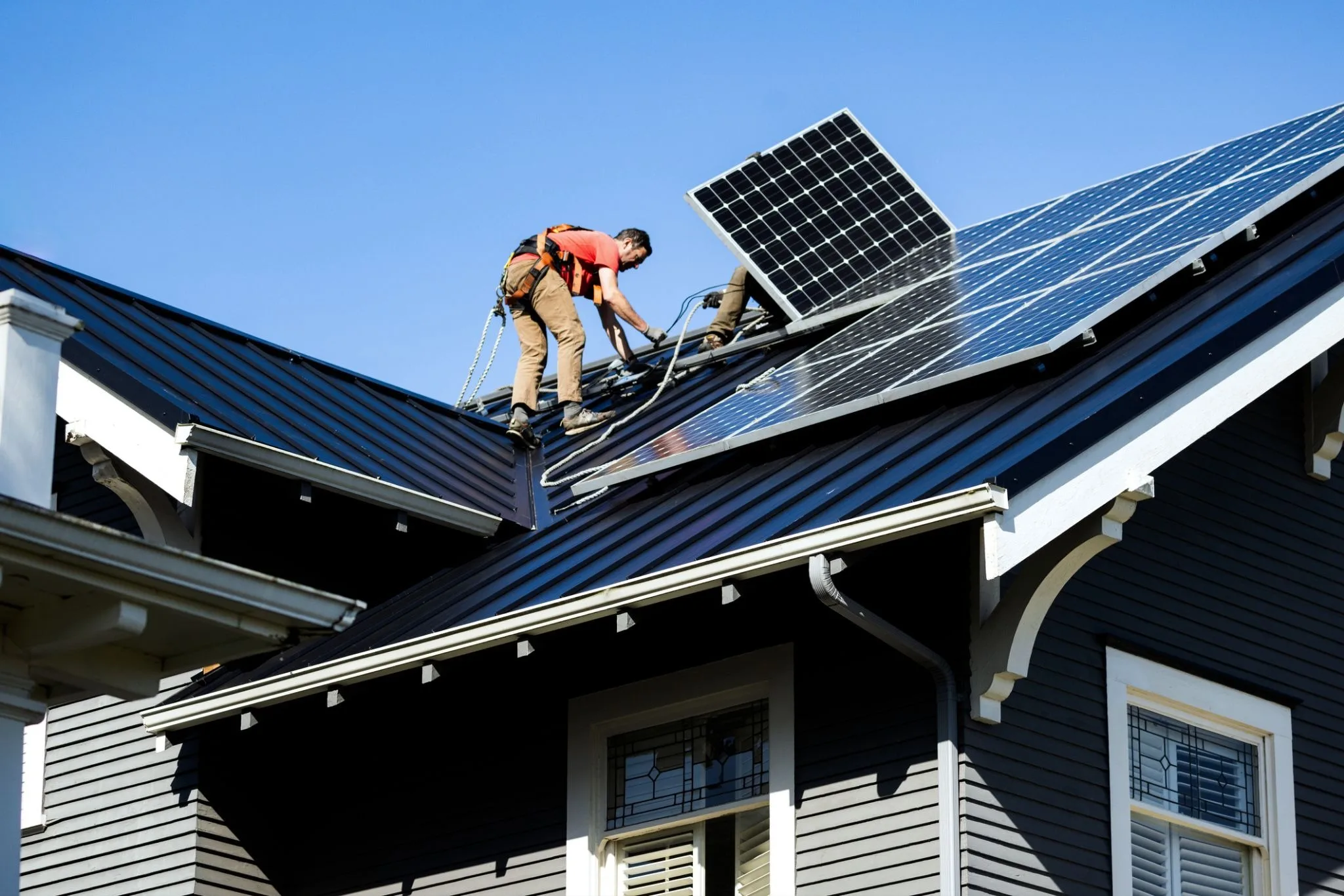
Panels are built to last 25 to 30 years, so the surface underneath them needs to keep pace. If your shingles are more than 10 years old or showing wear, have a roofer inspect them before committing. Replacing shingles after panels are mounted means paying to take the whole array down and put it back up, which nobody wants to do twice.
A roof suited for solar generally has:
- A structurally sound deck that can carry the panel weight plus the snow load
- Strong, direct sunlight for a good stretch of the day, ideally south-facing
- Minimal shade from chimneys, trees, or neighbouring buildings
East- and west-facing roofs still work, just with slightly less output. If your roof isn’t a fit, a ground-mounted array in the backyard is worth a look.
2. Sizing the System to Your Energy Use
Guessing at system size is how people end up overpaying or falling short. Pull twelve months of hydro bills and add up your total yearly kilowatt-hours. That number, along with how much power you use during the day versus the evening, tells an installer how much capacity you actually need.
3. What Does Solar Panel Installation Cost?
A residential solar panel installation in Canada typically runs between $15,000 and $30,000 before any rebates, depending on system size and your home’s electrical setup. Rather than fixating on one figure, look at the installed cost per watt. That’s the cleanest way to compare one bid against another.
Here’s how the money usually breaks down:
| Cost Component | Rough Share of Total |
| Panels, inverter, racking | 50–60% |
| Labour and installation | 20–25% |
| Permits, inspection, and electrical upgrades | 10–15% |
| Installer margin and overhead | 10–15% |
When you search for solar panel installation near me and start collecting numbers, keep in mind the cheapest quote often trims warranty length, equipment quality, or the production estimate to hit that price.
4. Permits, Inspections, and Utility Approval
Grid-connected systems have to meet the Canadian Electrical Code and clear your local utility’s approval before work begins. Reputable companies handle the paperwork for you, filing the electrical notification, arranging an inspection, and managing the interconnection request. Confirm this service sits inside your contract so the job doesn’t stall halfway through.
5. Net Metering, Batteries, and Extra Power
Most homes stay tied to the grid, which acts like a giant battery: surplus daytime power earns credits you draw against later. Adding a battery gives you backup during outages but raises the upfront price. Most installs skip batteries because grid-tied setups pay for themselves faster.
6. Comparing Solar Quotes on More Than Price
A serious quote spells out system size, panel and inverter type, expected yearly production, warranty terms, and any electrical upgrades. Gather at least three and line them up side by side. The install solar panels cost conversation gets a lot easier once you can see what each company actually includes.
7. Payback Period and Long-Term Savings
Depending on your province, rebates, and electricity rates, most systems pay for themselves in 8 to 15 years. Since quality panels run well past 25 years, that leaves a long stretch of cheap power afterward. Set realistic expectations here. The savings build gradually, not overnight.
How to Choose a Certified Solar Installer You Can Trust
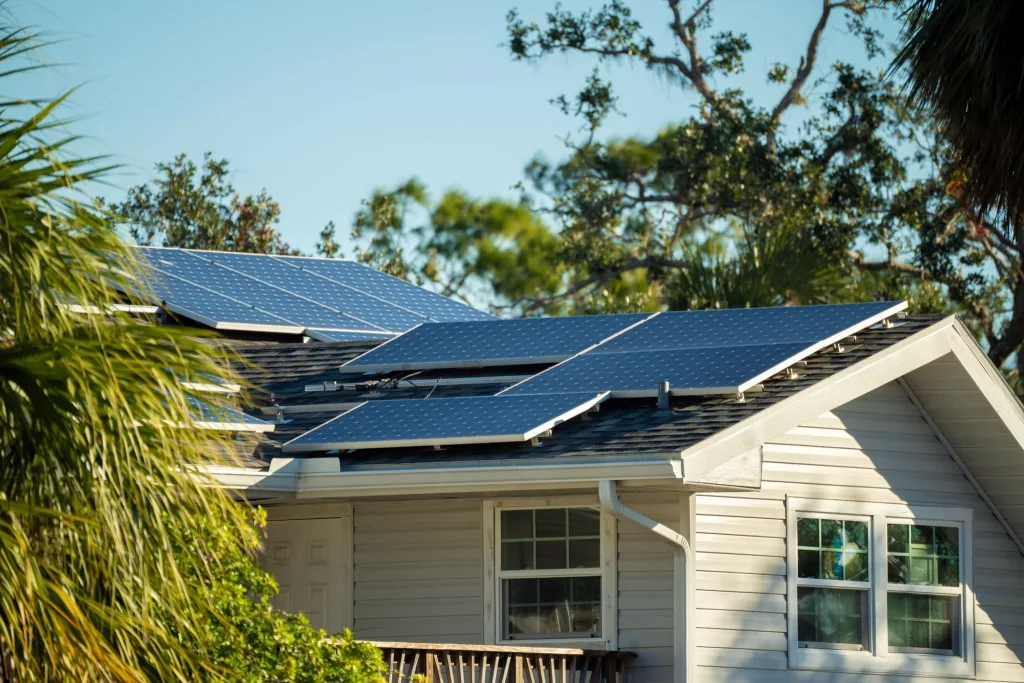
The best-planned system still depends on the crew mounting it. Solar is a fast-growing field in Canada, so experience levels vary widely from one company to the next. Vetting your installer as carefully as you’d vet a kitchen renovator protects both your wallet and your roof.
Start by confirming the fundamentals with any company you’re considering:
- Licensed electricians handle all wiring, with proper insurance and workers’ compensation coverage
- A track record of at least a few years and a list of local references you can actually call
- Familiarity with your utility’s rules and the permit process in your area
- Clear warranty terms covering both the equipment and the installation workmanship
Watch out for high-pressure sales tactics. Door-to-door offers promising a “free” system usually mean a $0-down financing deal carrying steep interest, and any push to lock in a “today only” price is a signal to slow down. A reputable company insists on an in-person site visit before quoting, never a number sight-unseen.
Ask each candidate to walk you through a few specifics, then compare their answers:
| What to Ask | Why It Matters |
| Who does the actual install? | Subcontractors are fine if properly qualified and overseen |
| What electricity rate increase did you assume? | Inflated assumptions make savings look bigger than they’ll be |
| Are warranties transferable? | Protects resale value if you sell the home |
| Who monitors the system afterward? | You want someone catching faults before you notice them |
Get everything in writing, from roof repairs to permit responsibilities, and keep copies of contracts and warranty documents somewhere safe. A trustworthy installer welcomes these questions rather than dodging them, which tells you plenty about how they’ll treat you once the job is done.
Bringing It All Together
Solar rewards the homeowners who slow down and ask questions before signing anything. Once you’ve confirmed your roof is sound, sized the system to your real usage, and understood the permits, costs, and payback timeline, most of the guesswork disappears. Pair that groundwork with a licensed, well-reviewed installer, and you’ve put the odds firmly in your favour.
The payoff lasts long after the install date. A well-chosen system trims your hydro bills for 25 years or more while nudging your home’s value upward. Treat the seven checks here as your starting point, gather a few detailed quotes, and take the time to compare them properly. Do that, and you’ll switch on clean power knowing the decision was built on a solid footing from day one.