Insulating the walls of an existing building is one way that will make the rooms more comfortable, increase the energy efficiency of the building, and prevent heat loss. The old buildings may have different ways of construction, electrical wiring, moisture problems, among others, compared to new buildings.
“When you’re considering an upgrade to insulate, make sure you’re considering the entire house system and not just the insulation upgrade,” stresses Tim Alagushov, co-owner of IRBIS HVAC Inc. “Building trust and clear communication is important with potentially stressful home improvement projects”, he says.
Be sure to perform an investigation into HVAC services and techniques before any drilling or filling is done on cavities or cover existing walls.
Check the Wiring Before Anyone Drills a Hole
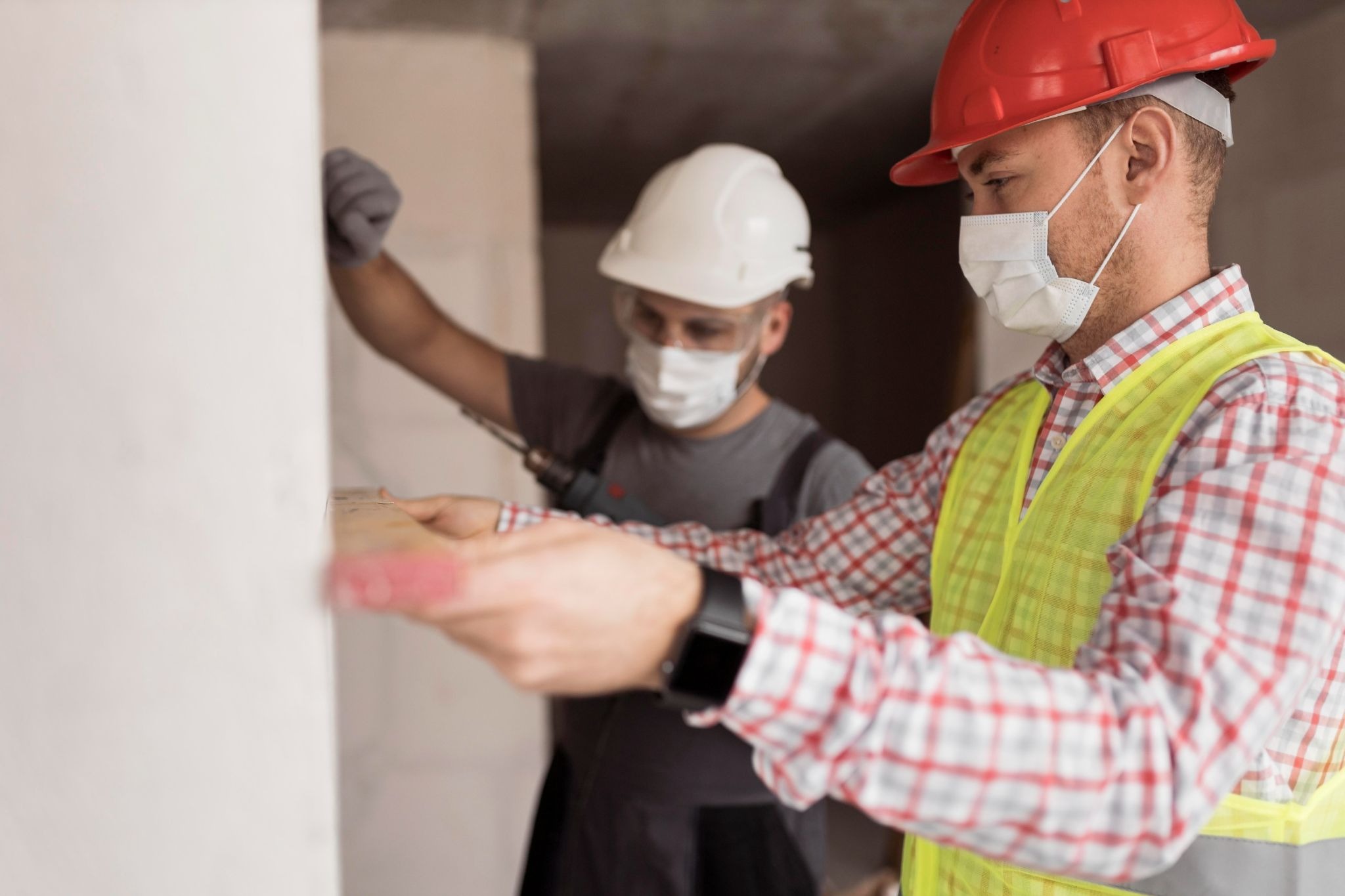
Puncturing walls with nails, screws, and drill bits is among the most dangerous mistakes to make when conducting DIY, according to Forbes. It also suggests that special care needs to be taken when cutting or drilling into walls through which both electrical wires and water pipes may be passing.
Important attention needs to be paid to older homes. Homes 40 years or older, as well as those with extensive renovations, are recommended to have an electrical inspection by an ESFI.
Prior to the start of the insulation work:
- Let an electrician evaluate out-of-date or dubious wiring.
- Identify the routes of cables, pipes, and other services.
- Look for the following: flickering lights, buzzing, overheating, and/or damaged insulation.
- Take pictures and notes of service locations prior to covering walls.
Should it be necessary to upgrade the wiring, it is advisable to do the wiring up prior to bulkhead addition so it will prevent a disturbance to the completed wall at another time.
Know Where the Moisture Will Go
Incorporating insulation (prior to installation) will lower the building’s overall drying potential and render the existing masonry colder. An interior wall made of solid masonry can be affected by installing the insulation inside the wall, and air and vapor movement should be controlled in order to avoid condensation issues.
This is why the state of the wall is of utmost importance. Look for:
- Stains or wet spots.
- Damage or crumbling brick or mortar.
- Leaking gutters, downpipes, or flashing.
- Water getting into the area under a door or window.
- Previous mould or condensation.
- Ground moisture in the lower sections of walls.
Address water leakage before the installation of insulation. If so, the new insulation might be a band-aid rather than a solution. A proper drying method is also required for the wall. The mere application of a highly impervious layer can trap moisture, which can cause harm to masonry or timber, etc.
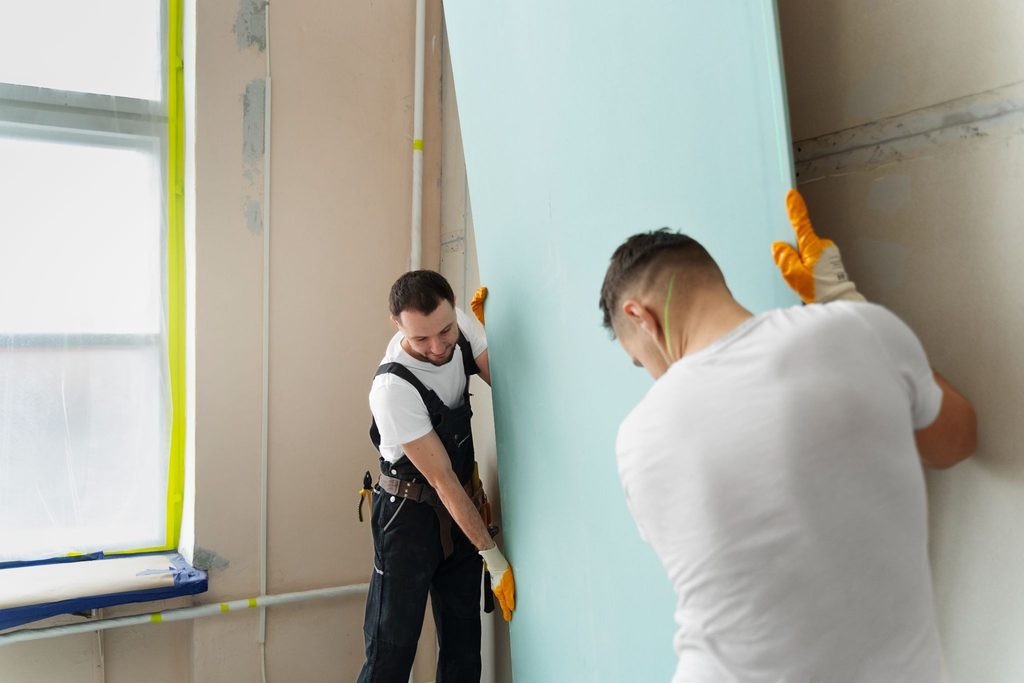
Match the Method to the Wall You Have
There is no one right method for insulating an old house. The method used by HVAC services would vary based on the nature of construction, weather conditions, condition of the wall, and whether insulation could be installed on the outside or inside of the wall.
Nonetheless, insulation on the outside of the wall would have some advantages since it would help keep the building envelope warm. However, this might not be possible due to aesthetic reasons.
When you receive a call frame, choose one of the following before you select a system:
- Interior insulation in solid masonry: Needs special moisture evaluation prior to interior insulation.
- Special attention to traditional brick or stone: May require vapor-permeable materials & drying solution.
- Timber-frame walls: Need attention to existing cavities, air sealing, and moisture protection.
- Different solutions may be necessary for mixed construction, where different sections need different solutions.
- Modern insulation assemblies: Do not make assumptions about historic walls.
Professional HVAC services such as IRBIS can evaluate the building’s existing assembly to decide upon the placement of the thermal, air, vapor, and water-control layers.
Re-Size Your HVAC Plan After the Walls Change
The heating loads may vary significantly with wall insulation. If loss of heat through the building envelope is minimized, there may no longer be the same load that the existing HVAC system must meet.
The planning of the heating and cooling system should be done in parallel with the planning of the insulation system; not after it is already done.
Once the walls have been improved, take into account:
- Recalculation of heating/cooling loads.
- Determining if present equipment is oversized.
- Inspecting ductwork and air and air flow.
- Ventilation after air sealing.
- Evaluating comfort in rooms and thermostat locations.
- Making HVAC upgrades to the home based on new efficiency standards.
Tighter, more insulated homes can have vastly different characteristics when compared to their pre-renovation counterparts.
Conclusion
Home insulation is an excellent choice for improving the comfort level and heating and cooling efficiency of your home; however, it is important to know what is going on inside the home that you are planning to insulate. Take into account the wiring, moisture issues, wall insulation, and HVAC requirements once you are done with the insulation process. Guidance will really help you out in San Jose when insulating a home.