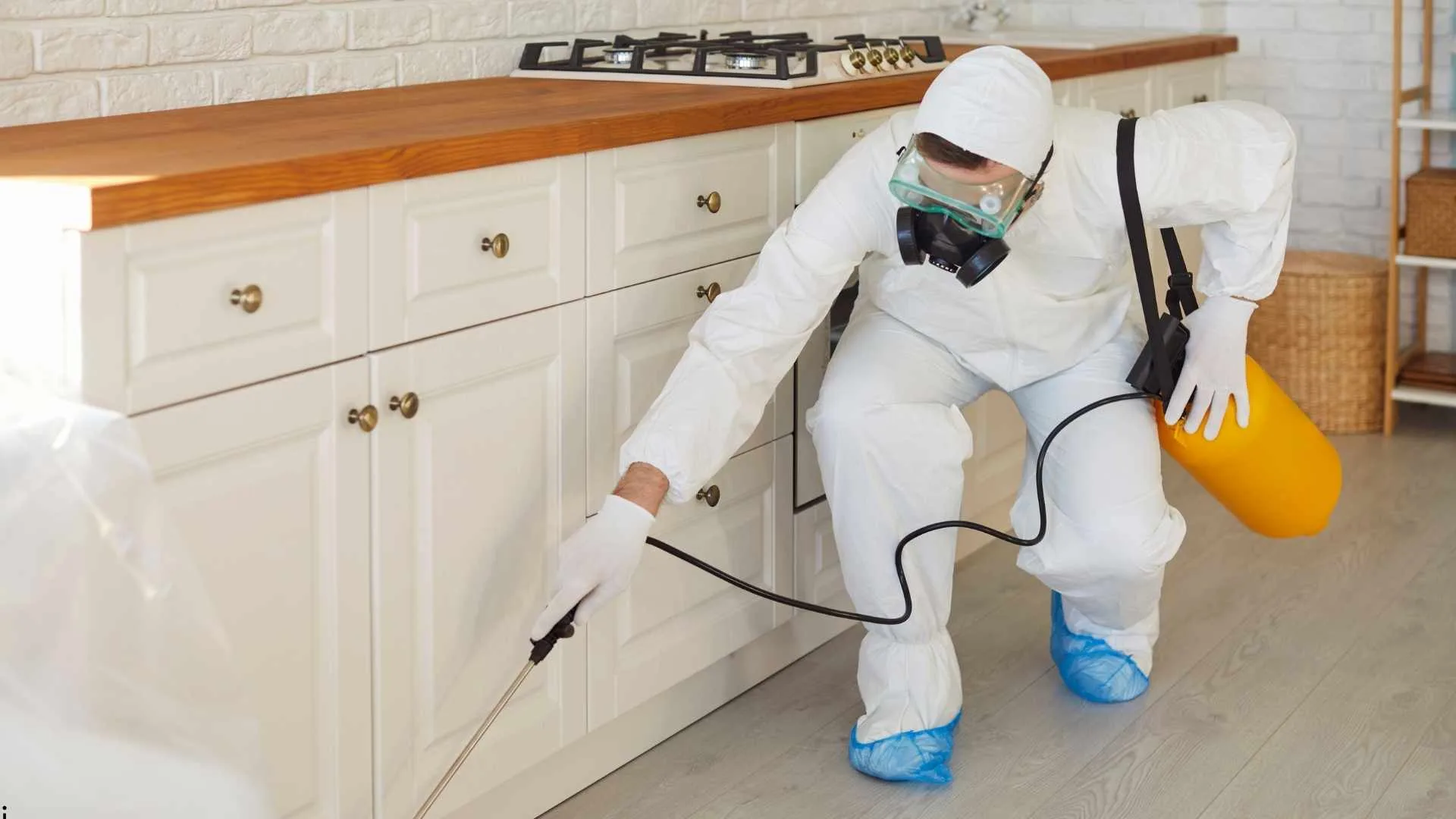
Every home, no matter its age or condition, offers pests something they want: shelter, warmth, food, and water. Most infestations don’t begin with a dramatic event. They begin quietly, with a gap under a door, a damp corner in a basement, or a woodpile stacked too close to the siding. Homeowners who understand this tend to treat pest prevention less like a seasonal chore and more like an ongoing part of routine home care. The good news is that the habits required to keep pests out are largely the same habits that keep a home structurally sound and comfortable to live in.
Why Routine Maintenance Matters More Than Reactive Treatment
Pest control research consistently shows that exclusion physically preventing pests from entering a structure is far more effective long-term than reacting after an infestation has already taken hold. The National Pest Management Association has noted that structural gaps as small as a quarter inch are enough for rodents to squeeze through, while insects require even less space.
Once pests establish a foothold indoors, eliminating them typically demands more time, more disruption, and more resources than the maintenance that would have kept them out in the first place. Consistent upkeep, performed throughout the year rather than only when a problem appears, closes the small openings and eliminates the conditions pests rely on before they become an issue.
Sealing Vulnerabilities Around the Home’s Exterior
The exterior envelope of a house is its first line of defense. Cracks and gaps around doors, windows, foundation walls, and utility line penetrations are among the most common entry points for insects and rodents alike. Homeowners should walk the perimeter of their property at least twice a year, checking for gaps where pipes, cables, or vents pass through exterior walls, and sealing them with caulk or steel wool, which rodents cannot chew through as easily as foam.
Damaged window and door screens deserve the same attention even a small tear can become a reliable entry point for flies, mosquitoes, and spiders. This is precisely the kind of detail that experienced professionals look for during a structural inspection, since exclusion work forms the foundation of any long-term prevention plan.
Managing Moisture and Drainage Around the Property
Water is one of the strongest pest attractants a home can offer, and moisture control deserves its own category of attention separate from general exterior sealing. Leaking plumbing, whether from a slow drip under a sink or a hidden pipe within a wall, creates the damp environment that cockroaches, ants, and certain termite species need to survive. Indoor humidity should be monitored as well; keeping relative humidity below roughly 50 percent, as recommended by building science professionals, discourages both pests and the mold growth that often accompanies excess moisture.
Outside, gutters and downspouts need regular cleaning so rainwater is directed well away from the foundation rather than pooling against it. Poor drainage around a property is a pattern that companies like Kodiak Pest Control frequently identify as a root cause when homeowners report recurring pest activity near the same areas of the house each season.
Outdoor Habits That Reduce Nesting and Foraging Opportunities
Beyond the structure itself, the surrounding yard plays a significant role in whether pests are drawn toward the home or kept at a distance. A few consistent outdoor habits make a measurable difference:
- Trim trees and shrubs so branches don’t touch the roofline or siding, since overhanging limbs act as bridges for ants, spiders, and rodents.
- Store firewood at least 20 feet from the foundation and off the ground, as woodpiles are a preferred habitat for termites and other wood-destroying insects.
- Eliminate standing water in birdbaths, gutters, or low-lying areas of the yard to reduce mosquito breeding sites.
- Keep garbage and recycling bins tightly sealed, since accessible food waste is one of the most common reasons rodents and wasps linger near a property.
- Reduce yard clutter — piles of leaves, debris, or unused equipment give pests convenient places to nest undisturbed.
None of these tasks require specialized equipment, but performed consistently, they remove the resources pests need to settle in.
Common Pests These Practices Help Prevent
The maintenance steps above address a wide range of household pests, though each responds to slightly different conditions. Ants and cockroaches are drawn primarily to food residue and moisture, making kitchen and bathroom upkeep especially important. Spiders tend to follow other insects indoors, so reducing overall insect activity naturally limits spider populations as well. Rodents seek warmth and enclosed nesting spaces, which is why sealing gaps and reducing clutter matters so much.
Wasps favor sheltered eaves and undisturbed corners of a yard, while termites are drawn to wood-to-soil contact and consistent moisture. Because pest activity often shifts with the seasons ants and wasps becoming more active in warmer months, rodents seeking shelter as temperatures drop — a seasonal inspection routine helps homeowners catch early warning signs, such as small droppings, discarded wings, or minor wood damage, before they develop into larger problems.
When Professional Expertise Becomes Necessary
Even the most diligent maintenance routine has limits. Certain pests, particularly termites and some rodent infestations, can establish themselves in places a homeowner cannot easily inspect, such as within wall cavities or beneath a foundation. In these cases, professional evaluation offers a level of insight that visual inspection alone cannot match.
Local pest control professionals are familiar with the specific pressures a region’s climate and terrain place on homes the freeze-thaw cycles, seasonal insect patterns, and building styles common to a particular area and can tailor an inspection or treatment plan accordingly rather than applying a generic approach.
Key Takeaways
Preventing pest infestations rarely comes down to a single fix. It’s the accumulation of small, consistent habits sealing gaps, managing moisture, maintaining the yard, and watching for early warning signs that keeps a home genuinely resistant to pests throughout the year. Homeowners who treat these tasks as routine, rather than reactive, tend to spend far less time and effort dealing with infestations down the road. And when an issue does exceed what regular maintenance can address, knowing when to bring in experienced local professionals is simply part of a well-rounded approach to protecting the home.