
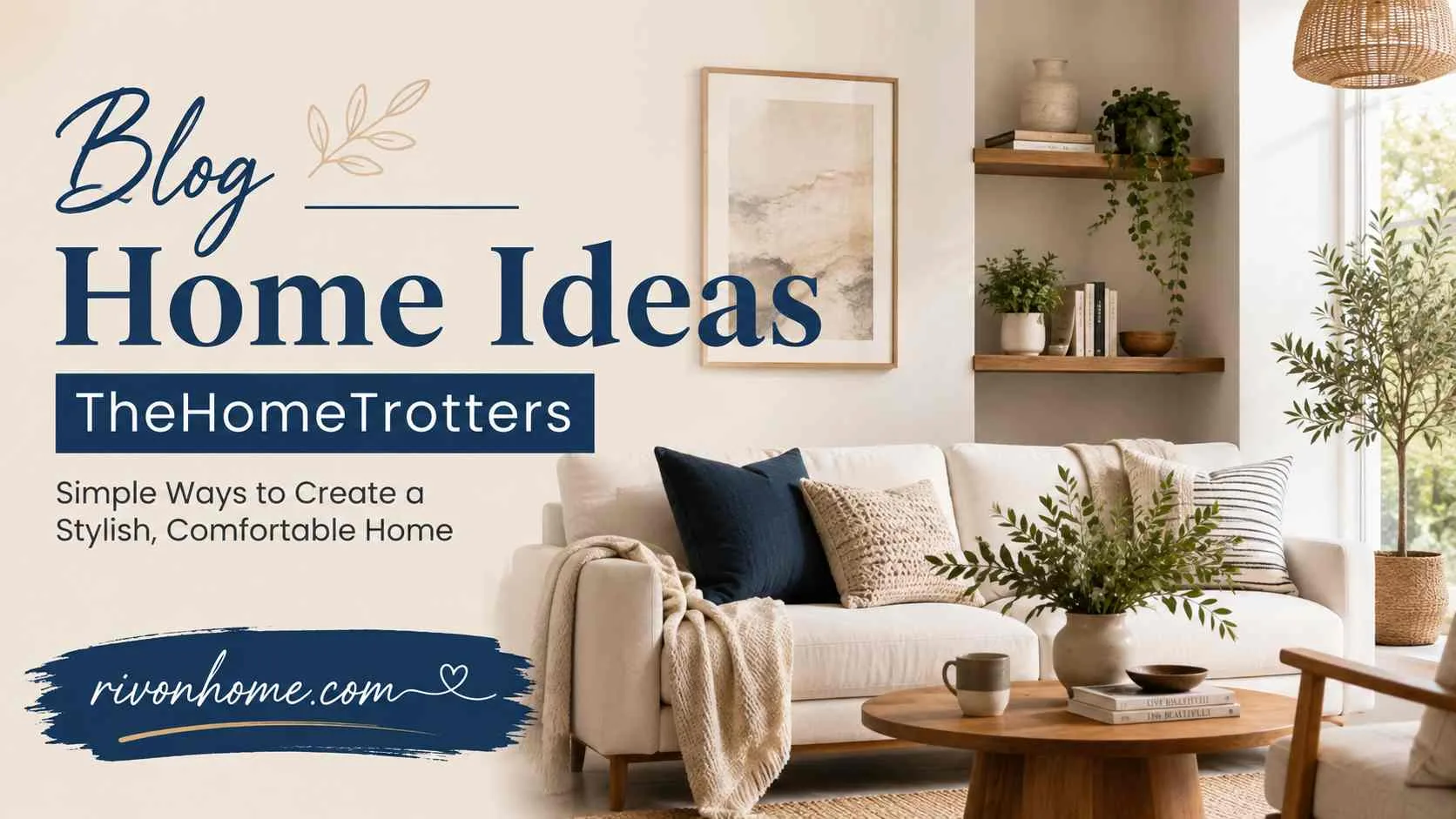
Blog Home Ideas TheHomeTrotters: Simple Ways to Create a Stylish, Comfortable Home

A good home does not need expensive furniture or a complete renovation. I’m Stefano Schiavon from RivonHome, and I believe the best spaces come from small choices that improve comfort, function, and personality.
When I study a home, I look at how people use each room and build the design around those habits of Blog Home Ideas TheHomeTrotters. These ideas follow the same approach, combining practical decorating, smart storage, natural elements, thoughtful lighting, and personal details for real homes.
What Makes Good Home Design Work?
Good design starts with function. Before buying anything, decide what the room needs to do. A living room may need space for conversation, reading, and family time. A bedroom should support rest. A kitchen needs clear work areas. I recommend measuring the room first and setting a realistic budget. Then choose a simple direction for color, materials, and furniture. This keeps the result balanced instead of crowded.

Start With a Clear Room Plan
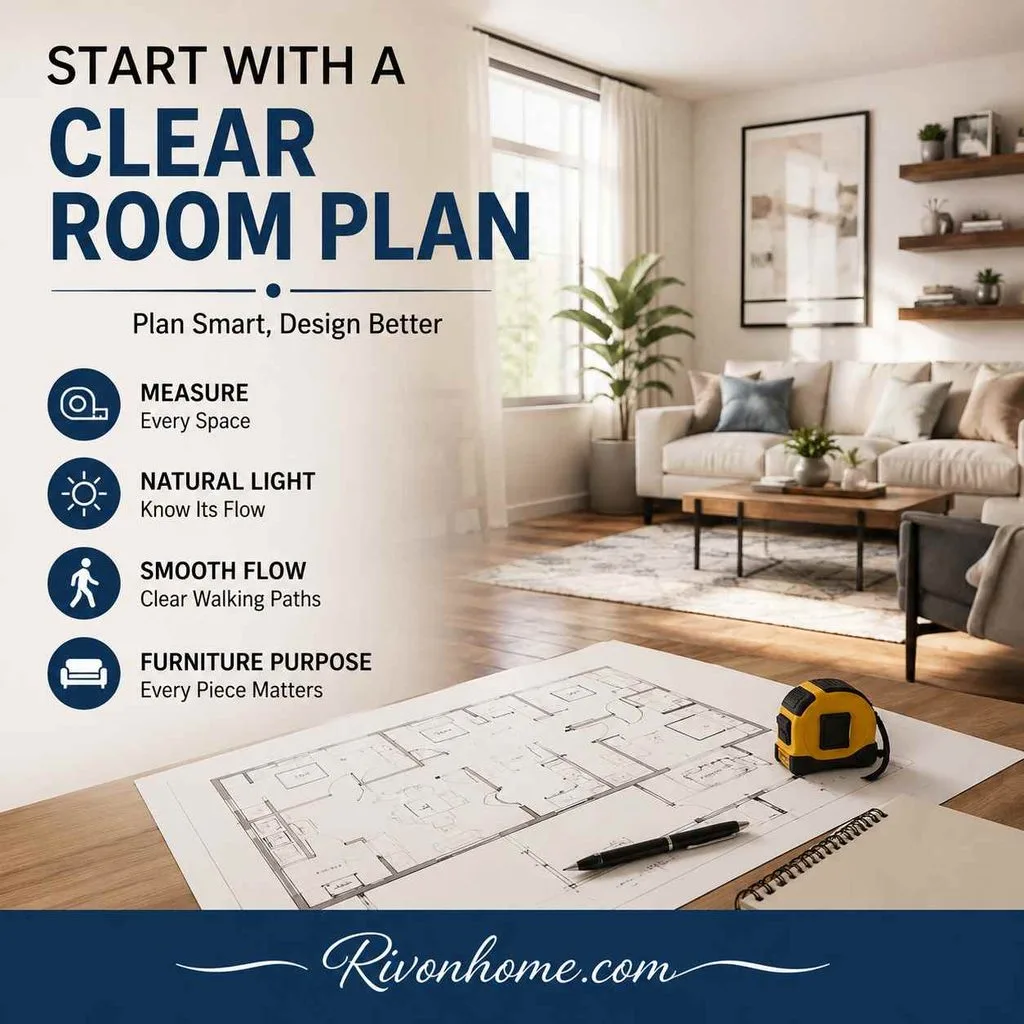
A clear plan can prevent expensive decorating mistakes. I usually begin with three questions: What works now? What feels uncomfortable? What is missing? The answers make the next steps easier. Measure walls, windows, doors, and furniture. Note where natural light enters. Think about walking paths too. A beautiful room can still feel awkward if furniture blocks movement. Good planning gives every major piece enough space and a clear purpose.
A Simple Planning Checklist
- Measure the room before shopping.
- Choose the main function.
- Set a spending limit.
- Pick two or three main colors.
- Decide which pieces can stay.
- Identify storage problems.
- Plan lighting before adding accessories.
Make the Living Room Feel More Welcoming
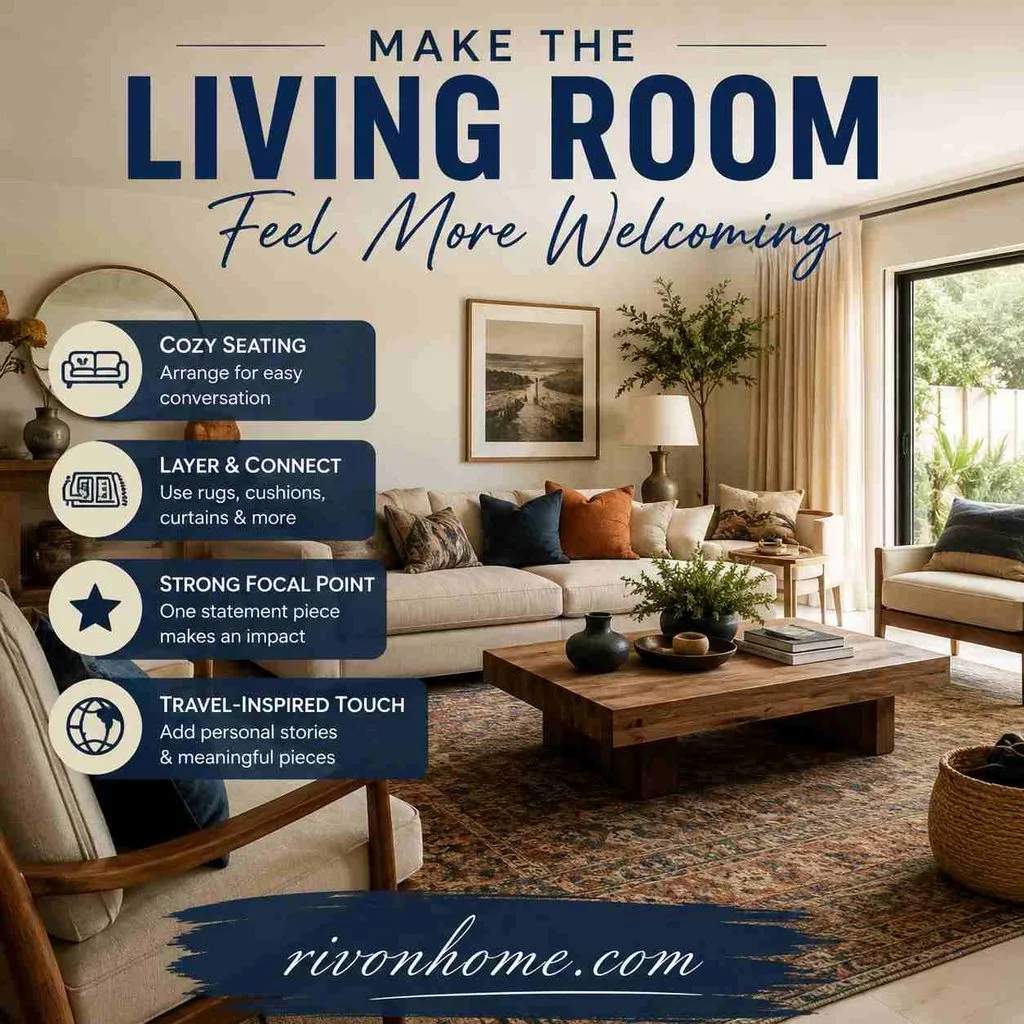
The living room should feel comfortable first and stylish second. Start with the seating arrangement. Keep chairs and sofas close enough for easy conversation. Use an area rug to connect the main furniture pieces. Add layers with curtains, cushions, throws, wood, and ceramic pieces. A large mirror can also help reflect light. I prefer one strong focal point over many small decorations competing for attention.
Travel-inspired interiors can add personality here without becoming themed. A framed photograph, handmade object, woven textile, or small souvenir can tell a story. The goal is to create a collected look that feels personal.
Give the Kitchen More Function
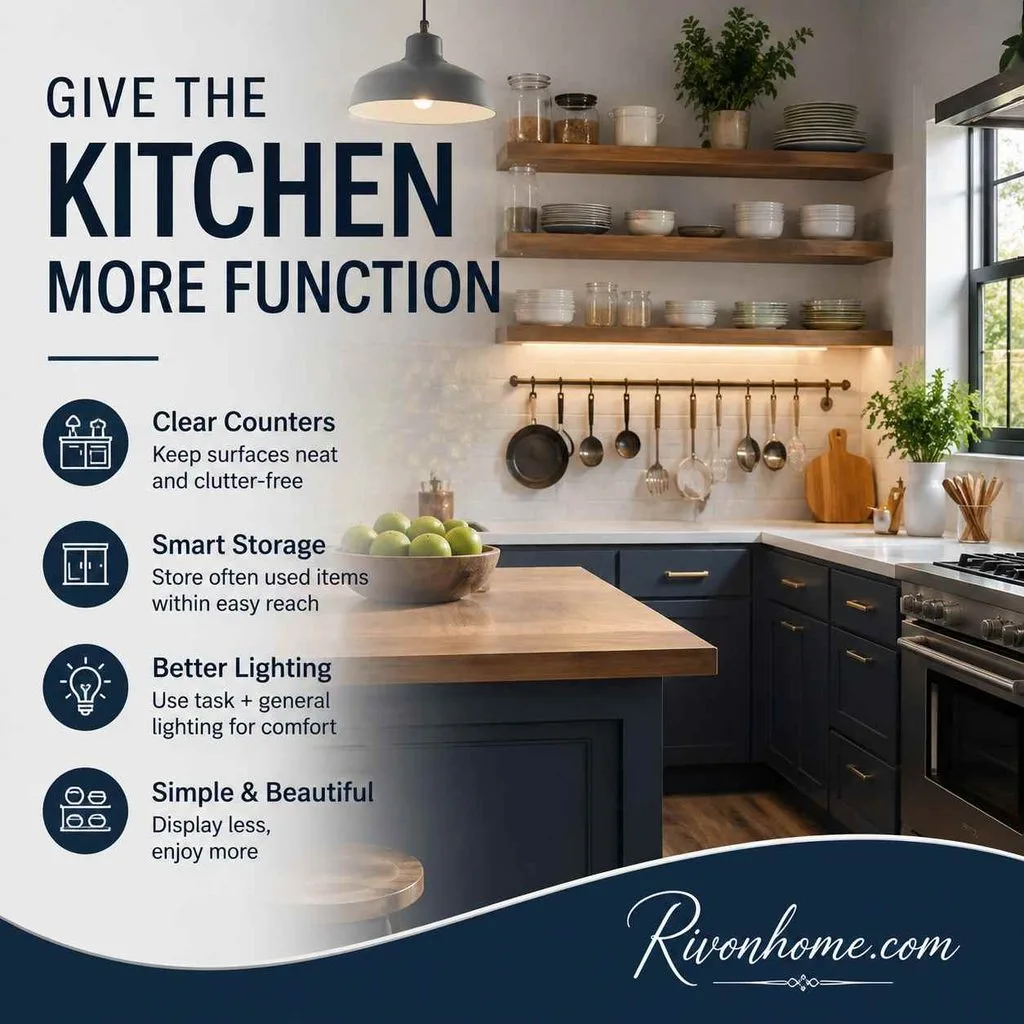
A kitchen becomes easier to use when the counters stay clear. Keep frequently used items close and store occasional items elsewhere. Open shelves can display attractive dishes, while hooks or rails can hold useful tools. Updating cabinet handles is another small change with a noticeable effect. Good lighting matters too. Combine general lighting with task lighting near work surfaces.
If the kitchen feels visually busy, reduce the number of objects on display. A few useful pieces often look better than a crowded counter.
Create a Calmer Bedroom
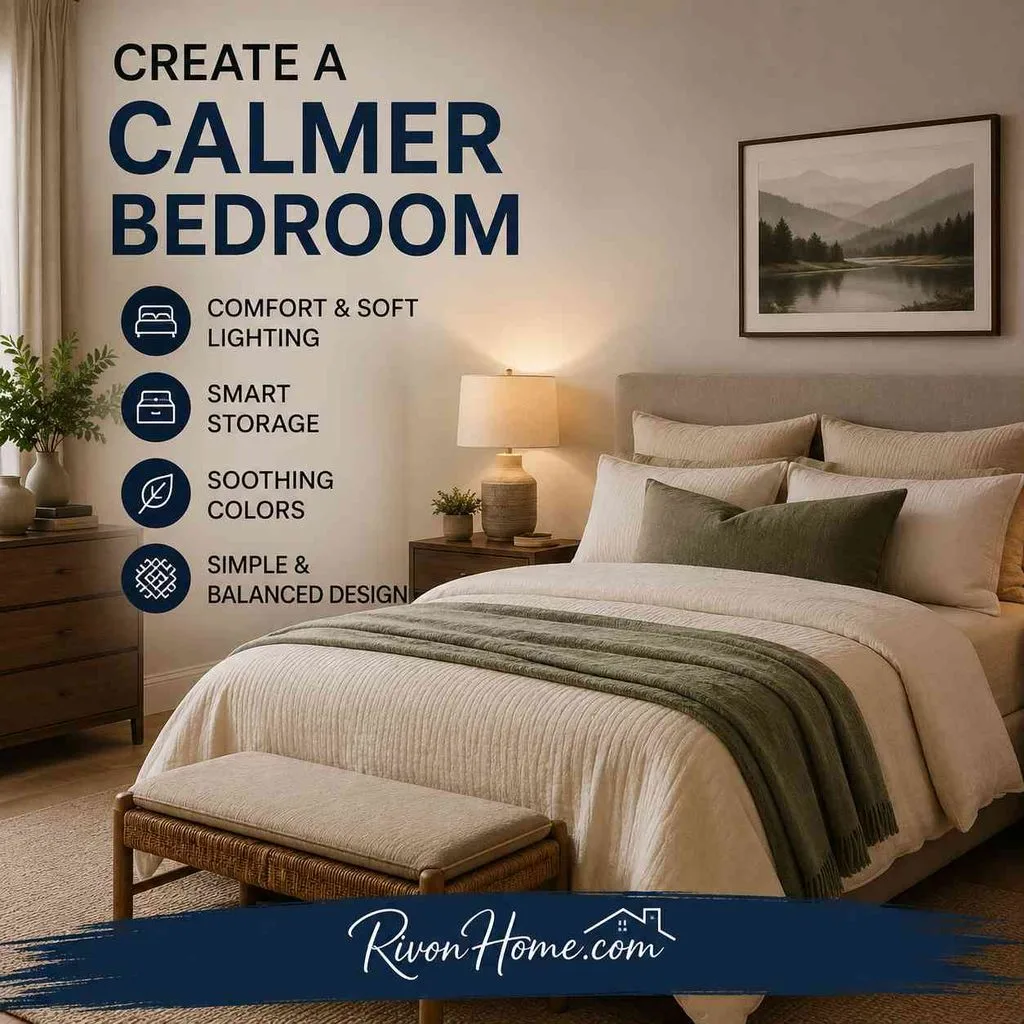
A bedroom should support rest, so I keep the design simple. Start with comfortable bedding and soft lighting. Layer different fabrics rather than adding many decorative objects. A bedside lamp gives better control than relying only on a ceiling fixture. Use baskets, drawers, or under-bed storage to keep everyday items hidden.
Color also affects the feeling of the room. Soft neutrals can create a calm base, while muted greens, blues, or warm earth tones can add character. Keep strong patterns limited to one or two areas.
Use Lighting as a Design Tool
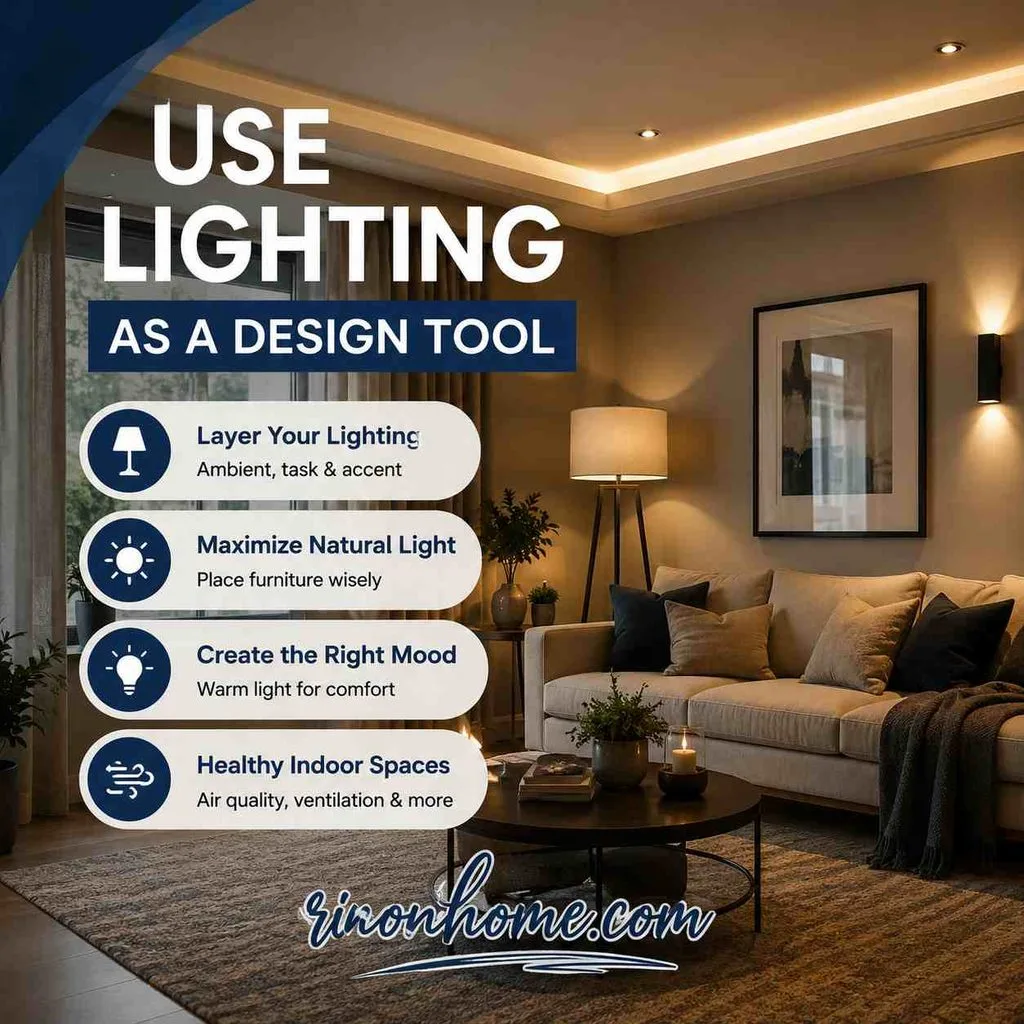
Lighting can change the mood and function of an entire room. I rarely depend on one ceiling fixture. Instead, I combine ambient, task, and accent lighting. Floor lamps can brighten dark corners. Table lamps create warmth. Wall lights can highlight artwork or architectural details.
Natural light should also guide furniture placement. Avoid blocking windows with tall storage when possible. Use lighter curtains when you want more daylight. In the evening, warmer light can make living spaces feel more relaxed.
Good indoor conditions involve more than appearance. ASHRAE highlights ventilation, indoor air quality, lighting, thermal comfort, acoustics, water, and energy efficiency as important parts of healthy indoor environments.
Add Natural Elements to Your Home
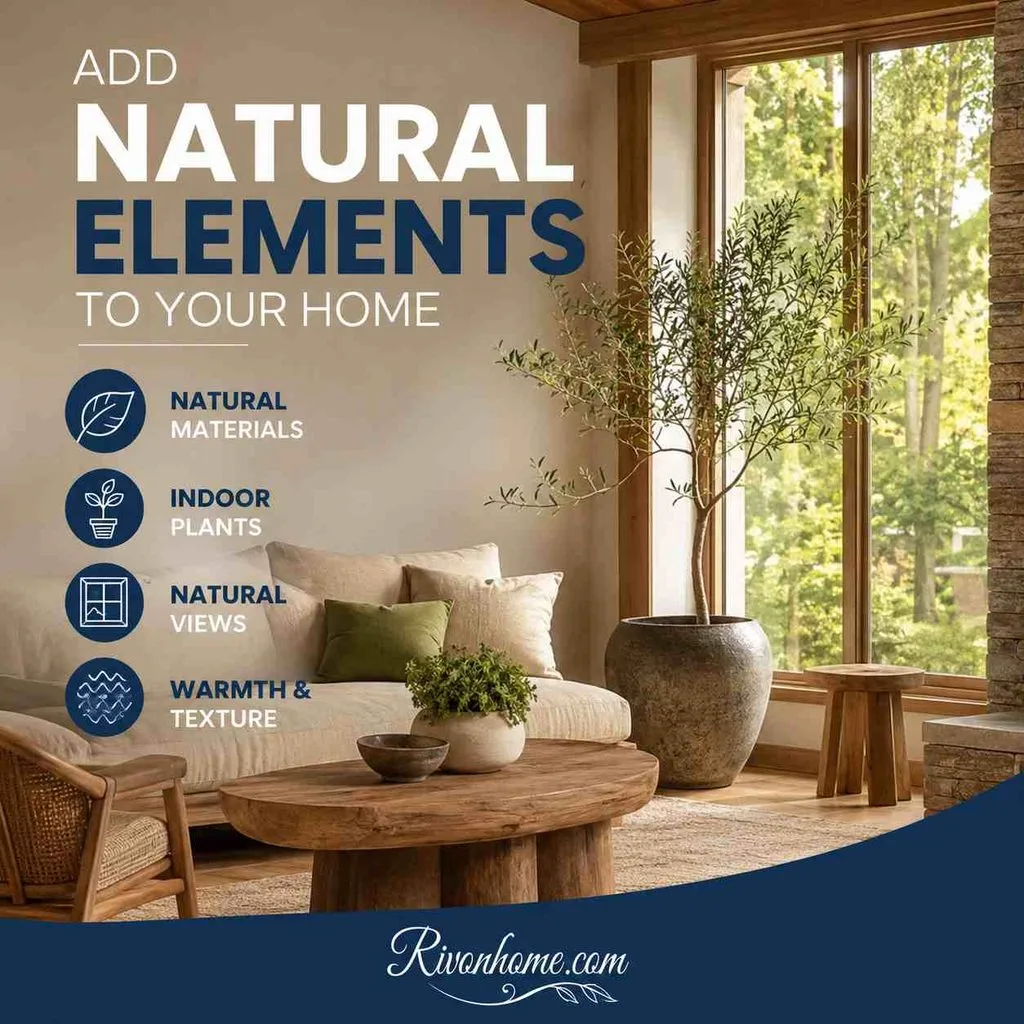
Natural materials make rooms feel warmer and less artificial. Wood, stone, cotton, linen, rattan, clay, and woven fibers can add texture without overwhelming the space. Plants are another simple option. Place them where they receive suitable light and where their care fits your routine.
I also like using natural views as part of the design. If a window looks toward trees, a garden, or an open landscape, keep the area around it visually simple. The view itself can become part of the room.
Make Small Spaces Feel Larger
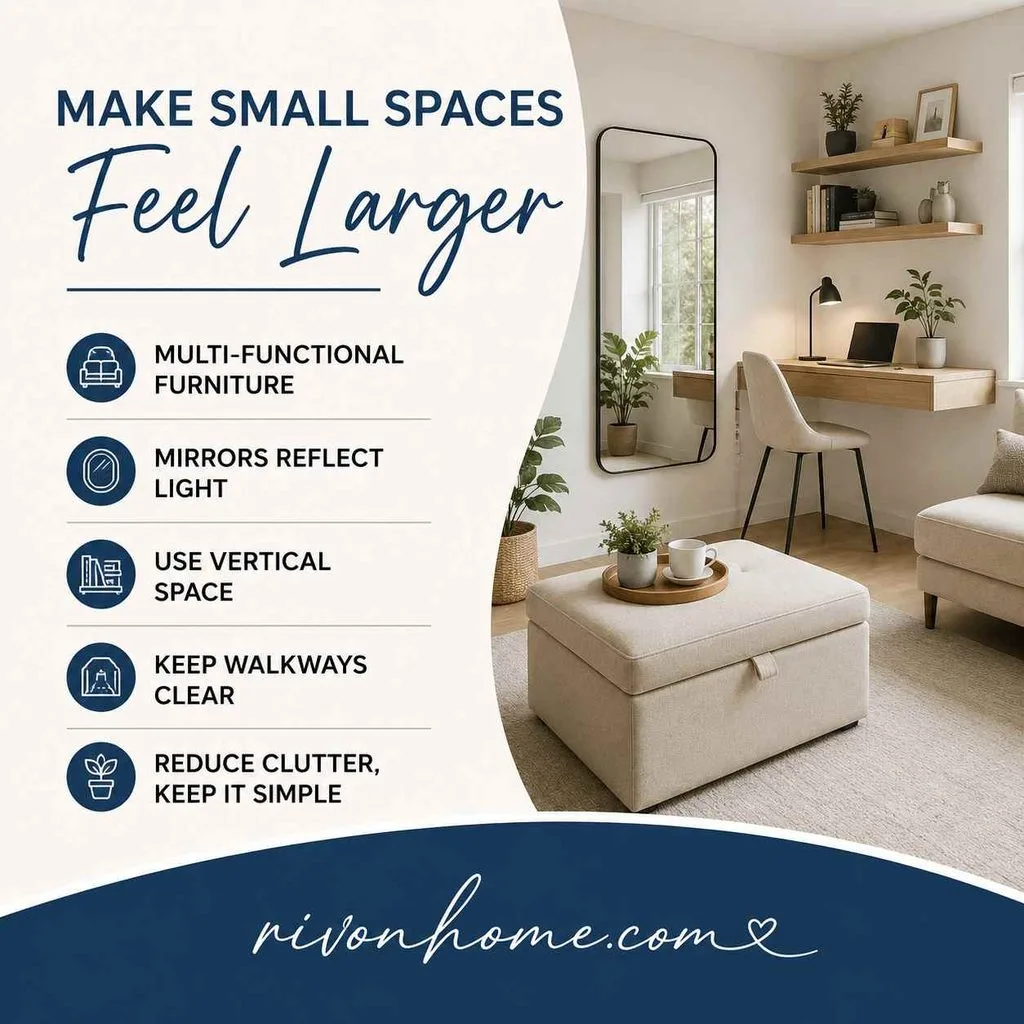
Small rooms need careful editing rather than more decoration. Keep the floor as open as possible. Use furniture with more than one function. An ottoman can provide seating and storage. A wall-mounted desk can create a workspace without taking much floor area.
Mirrors can reflect light and make a room feel more open. Vertical shelves use wall height efficiently. Light colors can also help, but they are not the only answer. Good proportions, clear walkways, and reduced clutter often make the biggest difference.
Decorate on a Realistic Budget
You do not need to replace everything to refresh a room. Start with changes that have a high visual impact. New curtains, cabinet hardware, cushions, lighting, or artwork can change the character of a space quickly. Repainting an old piece of furniture can also give it a second life.
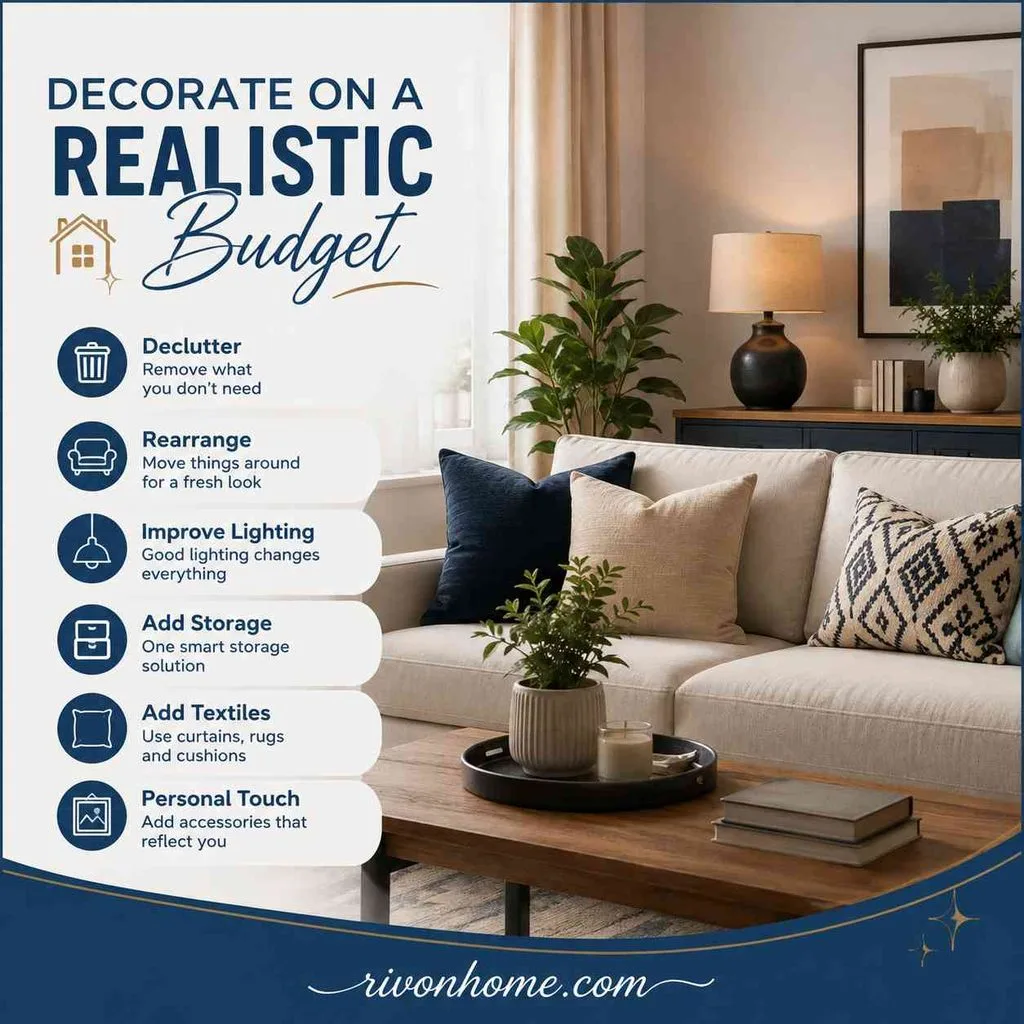
I often recommend working in stages:
- Remove items you no longer need.
- Rearrange existing furniture.
- Improve lighting.
- Add one useful storage solution.
- Introduce textiles.
- Finish with personal accessories.
This approach keeps spending under control and makes it easier to see what the room actually needs.
Mix Old and New Pieces
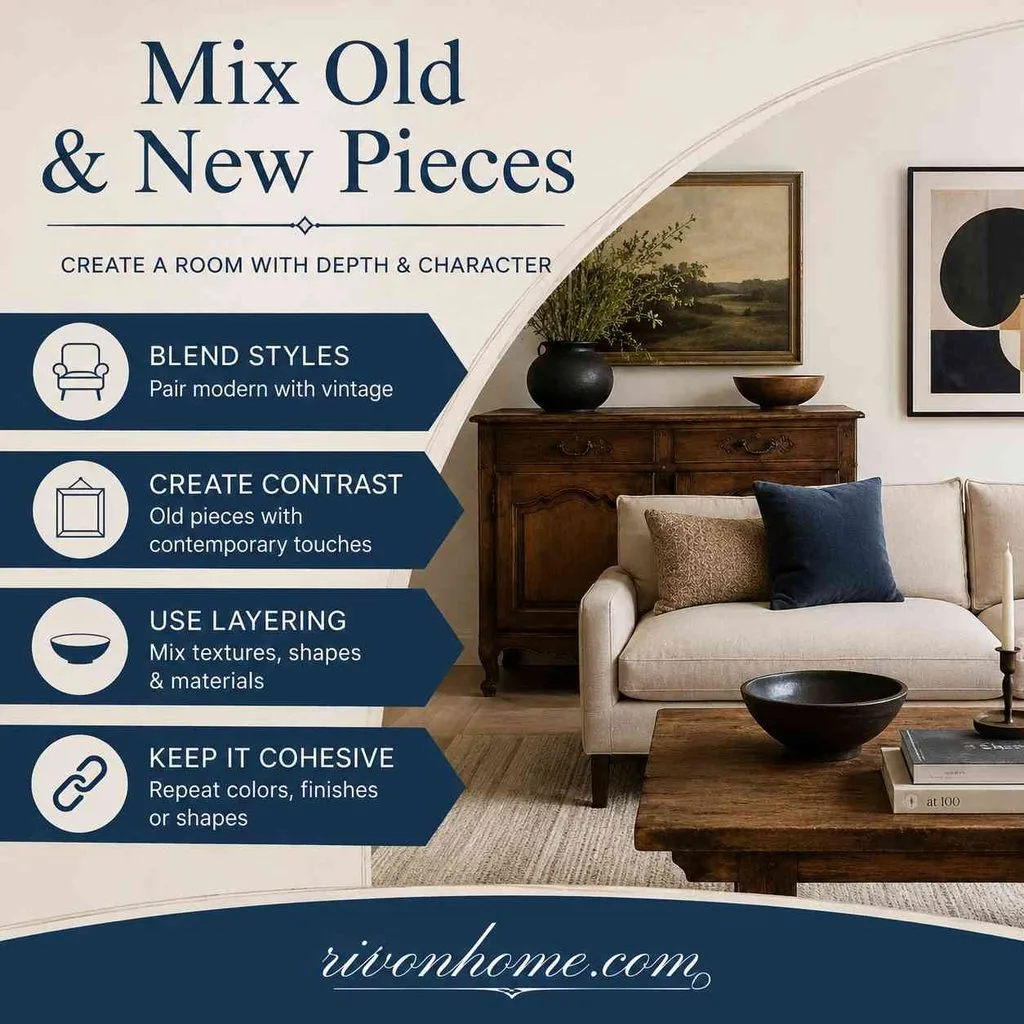
A room can feel flat when everything looks new and comes from the same collection. Mixing periods creates depth. Pair a modern sofa with an older wooden table. Place contemporary artwork above a vintage cabinet. Use a handmade bowl beside a clean-lined lamp.
The key is repetition. Repeat a material, color, shape, or finish in different areas so the room still feels connected. This creates a layered interior without making it look random.
Use Trends With Care
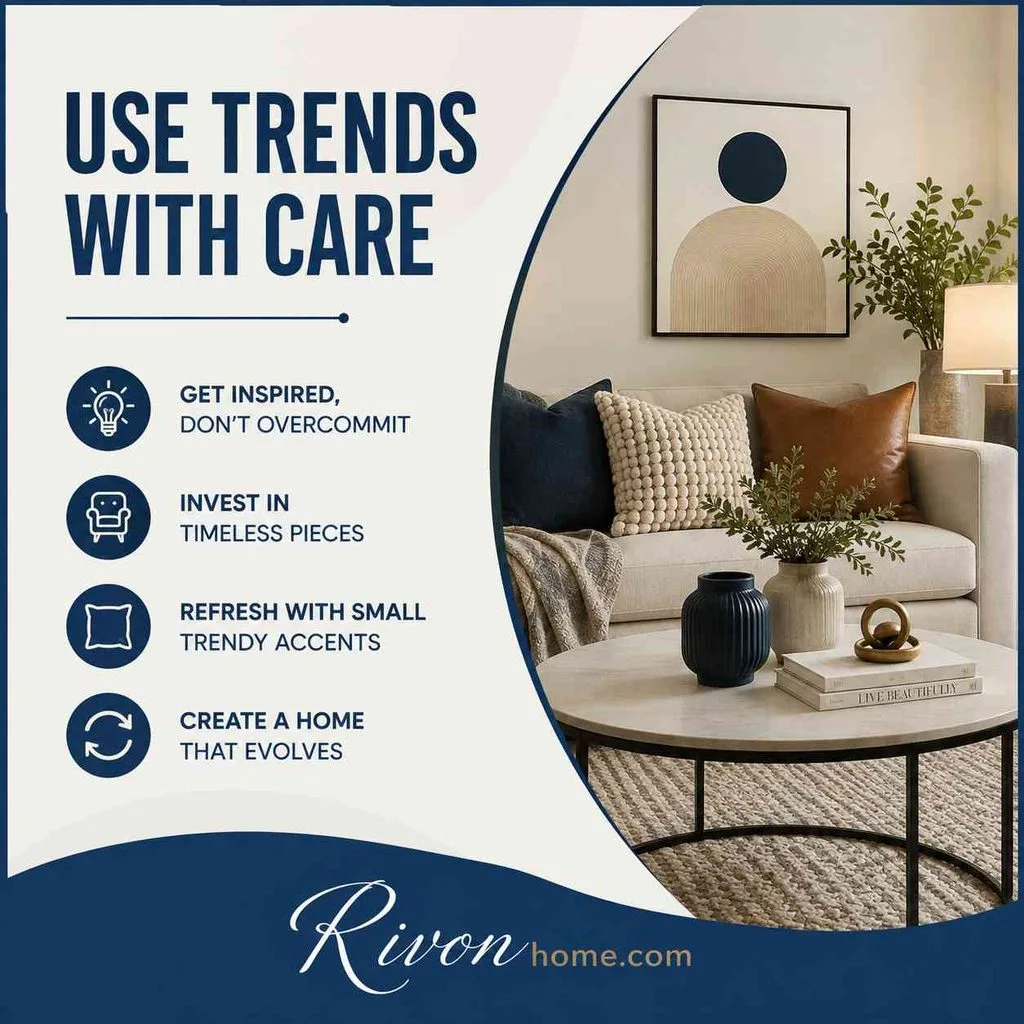
Trends can provide useful inspiration, but I would not build an entire home around one. Instead, introduce current styles through smaller elements that are easy to replace. Cushions, artwork, lamps, rugs, and accessories are good examples.
Timeless foundations should carry the larger investment. Choose durable furniture and finishes that you genuinely like. Then let smaller pieces change as your taste develops. This approach creates a home that can evolve without constant renovation.
Choose Sustainable Home Improvements
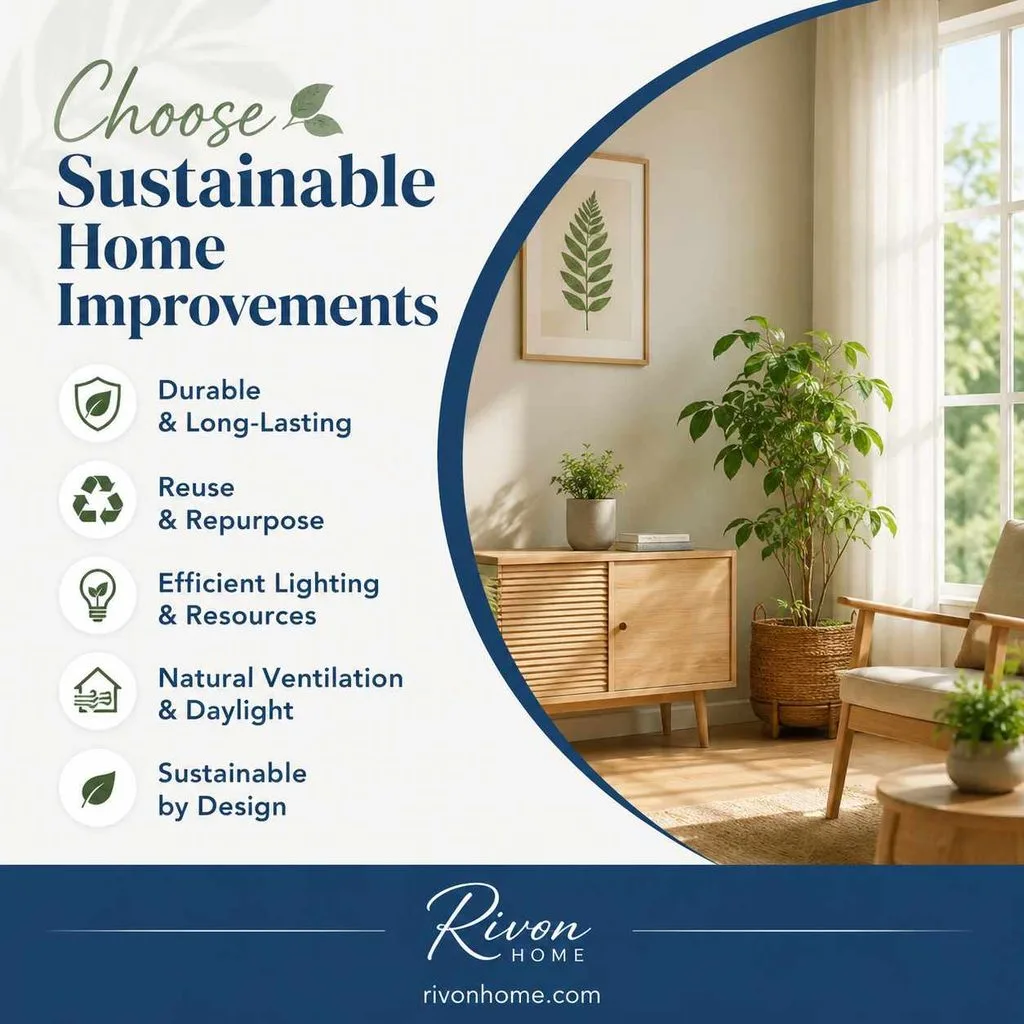
Sustainability should be part of the design decision from the beginning. Look for durable products instead of items that need frequent replacement. Reuse furniture where possible. Choose efficient lighting and reduce unnecessary materials. Natural ventilation and daylight can also reduce reliance on mechanical systems when the climate and building allow it.
For reliable guidance on residential sustainability and green-building practices, the U.S. Green Building Council (USGBC) is a useful official resource. Its residential guidance covers areas such as energy efficiency, water use, materials, and healthier indoor spaces.
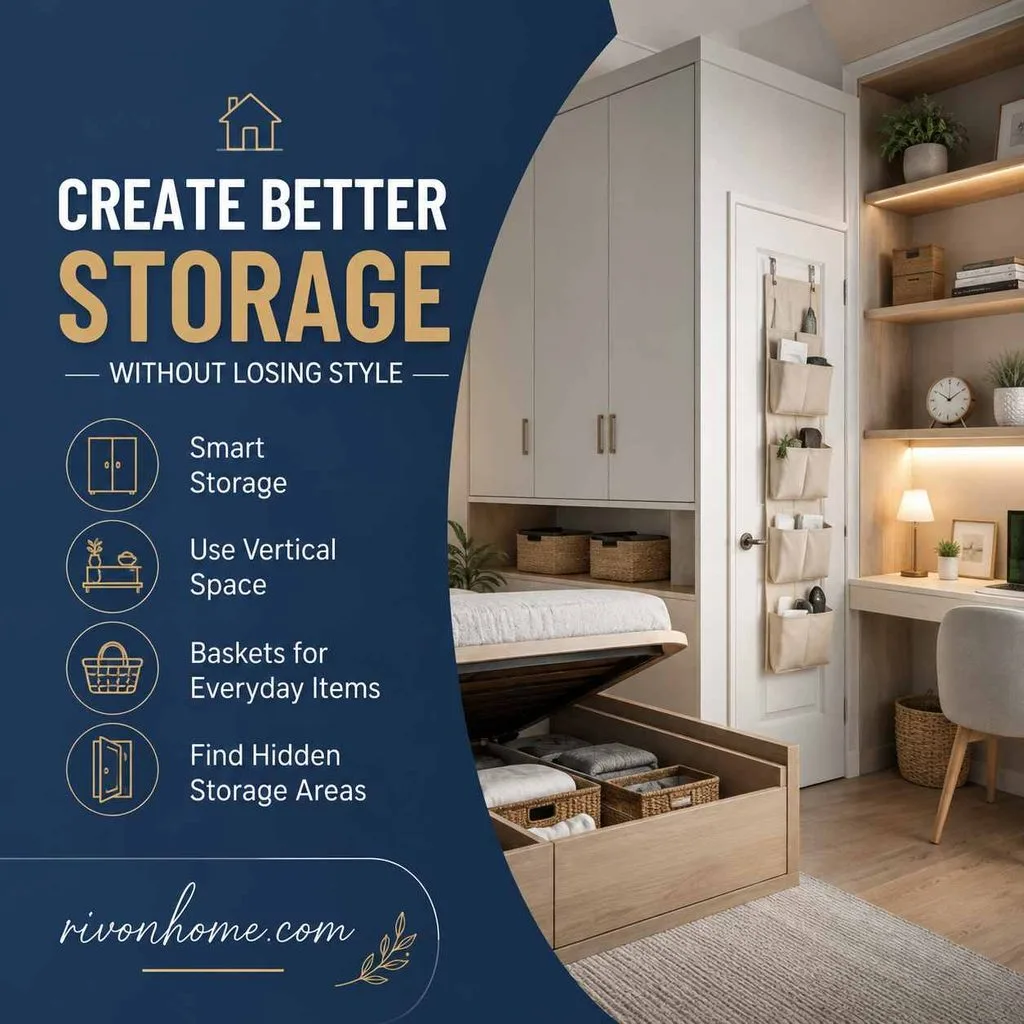
Create Better Storage Without Losing Style
Storage should solve a real problem while fitting the room. Use closed cabinets for items that create visual clutter. Open shelving works better for objects you want to display. Baskets are useful for blankets, toys, and everyday items.
Look for unused areas. The space beneath a bed, the back of a door, an empty hallway wall, or the area above a desk can often provide useful storage. In smaller homes, vertical storage is especially valuable.
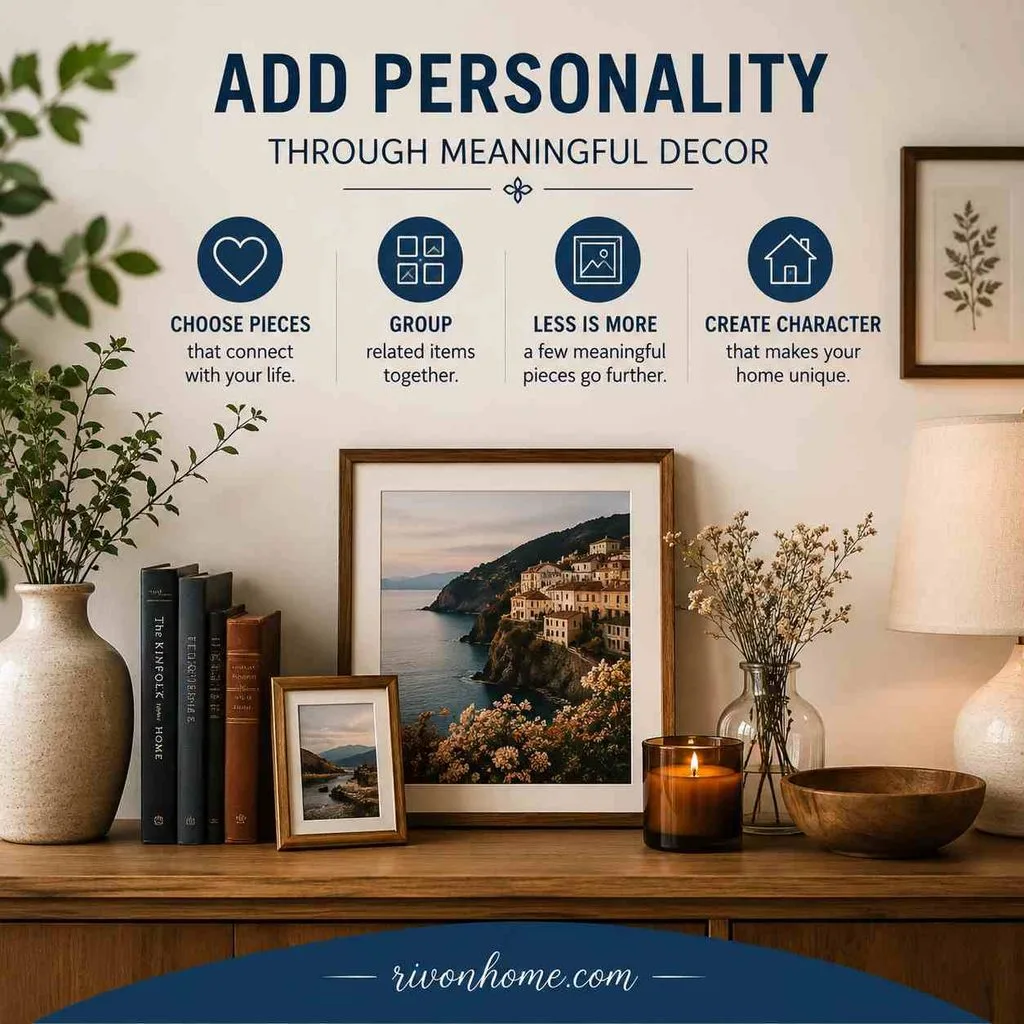
Add Personality Through Meaningful Decor
The most memorable homes usually contain objects that mean something. Family photographs, artwork, books, travel finds, handmade pieces, and inherited furniture can give a room character. You do not need many of them.
Choose a few pieces that connect with your life. Group related objects together rather than spreading them randomly across every surface. This gives personal items more visual importance and keeps the room organized.
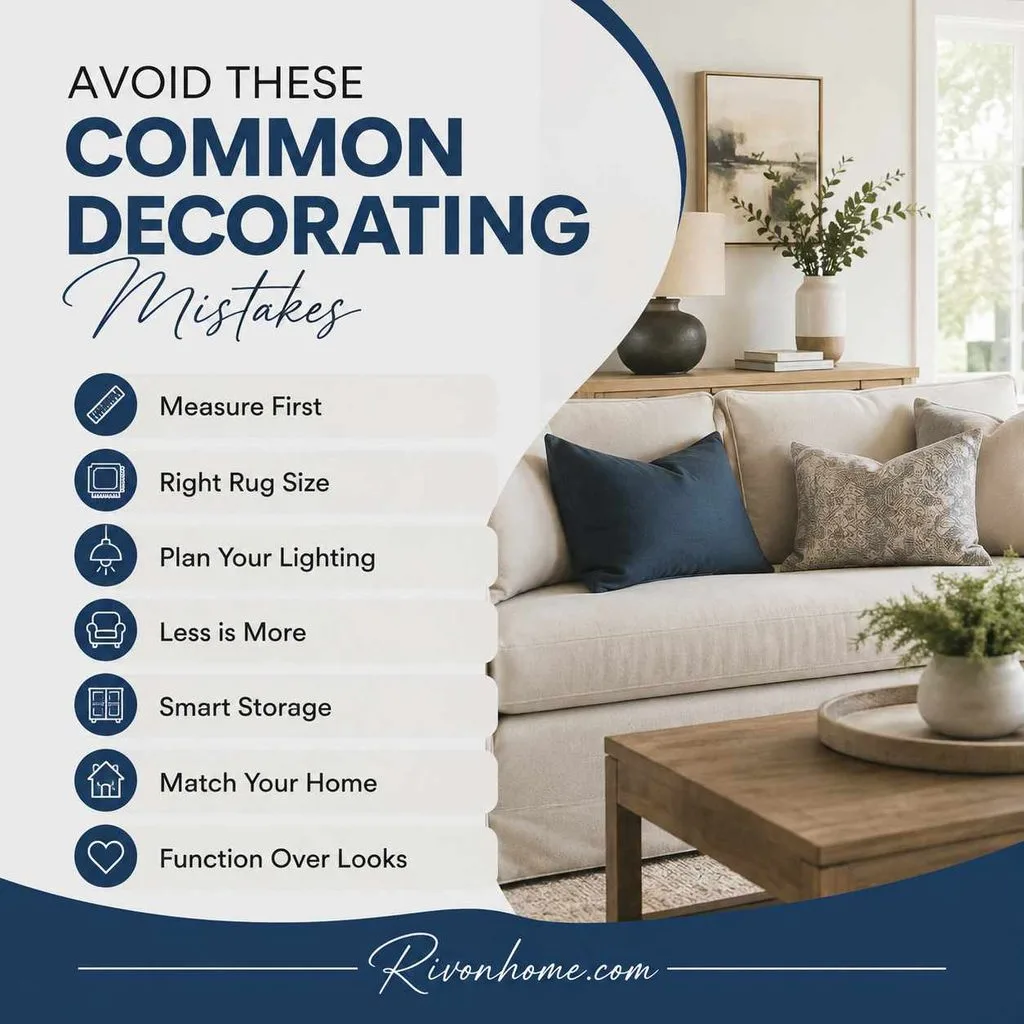
Avoid These Common Decorating Mistakes
Many design problems come from adding too much rather than too little. I often see rooms where furniture is pushed against every wall, lighting comes from one source, and small accessories cover every available surface.
Watch for these mistakes:
- Buying furniture before measuring.
- Using rugs that are too small.
- Choosing lighting only for appearance.
- Filling empty spaces with unnecessary decor.
- Ignoring storage until the end.
- Following trends without considering the home’s architecture.
- Choosing beauty over everyday function.
A room should work well before it is styled for photographs.
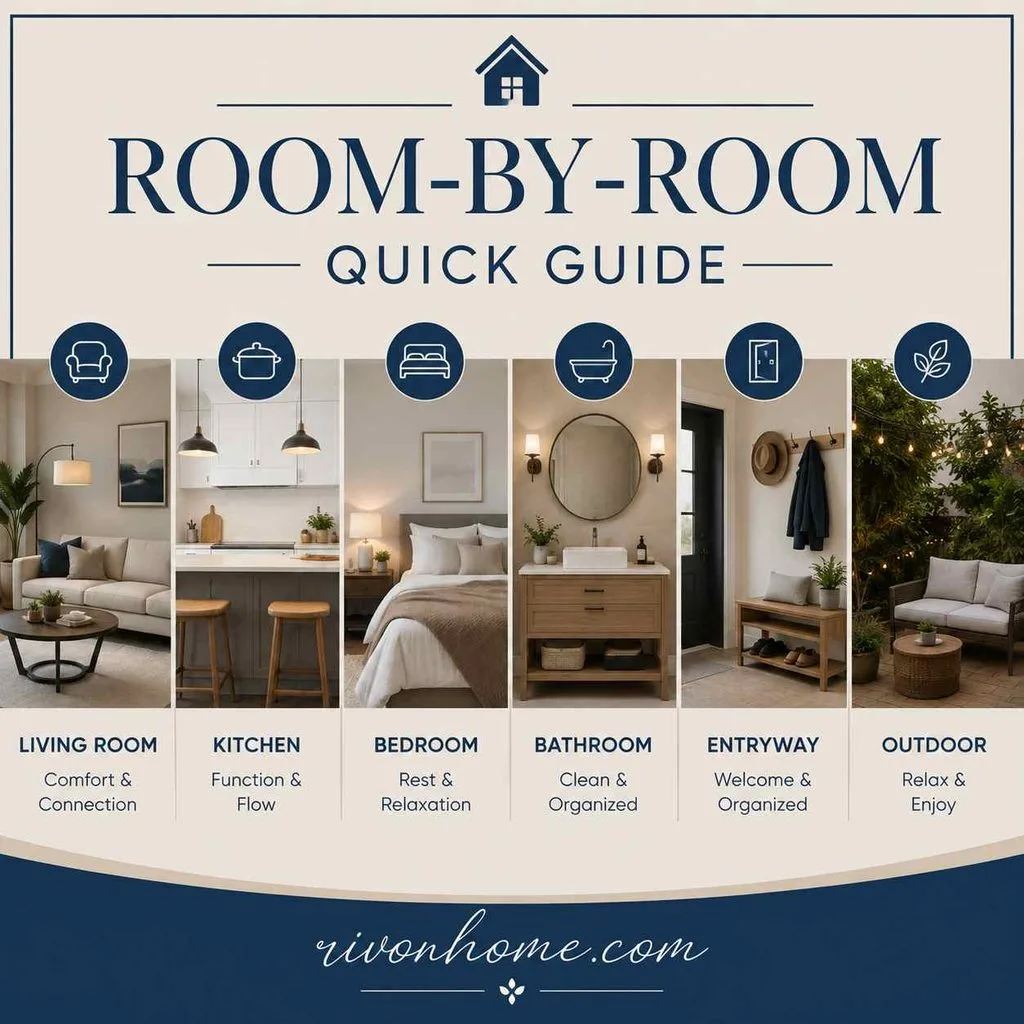
Room-by-Room Quick Guide
Each room needs a slightly different approach. The living room benefits from conversation areas and layered lighting. The kitchen needs clear work zones and practical storage. Bedrooms should feel calm and comfortable. Bathrooms benefit from good task lighting and organized storage. Entryways need somewhere to place shoes, coats, and everyday items.
Outdoor areas should also be treated as living spaces. Comfortable seating, suitable lighting, and weather-resistant materials can make a small patio or balcony much more useful.
How to Turn Inspiration Into Your Own Style
The best way to use blog home ideas thehometrotters is to treat inspiration as a starting point, not a blueprint. Save rooms you genuinely like. Then look for repeated patterns. Maybe you prefer warm wood, soft fabrics, natural colors, or bold artwork. Those patterns reveal your actual style.
Next, test one idea in your own space. Consider the room size, daylight, existing furniture, budget, and maintenance needs. A design that works beautifully in another home may need to change before it works in yours.

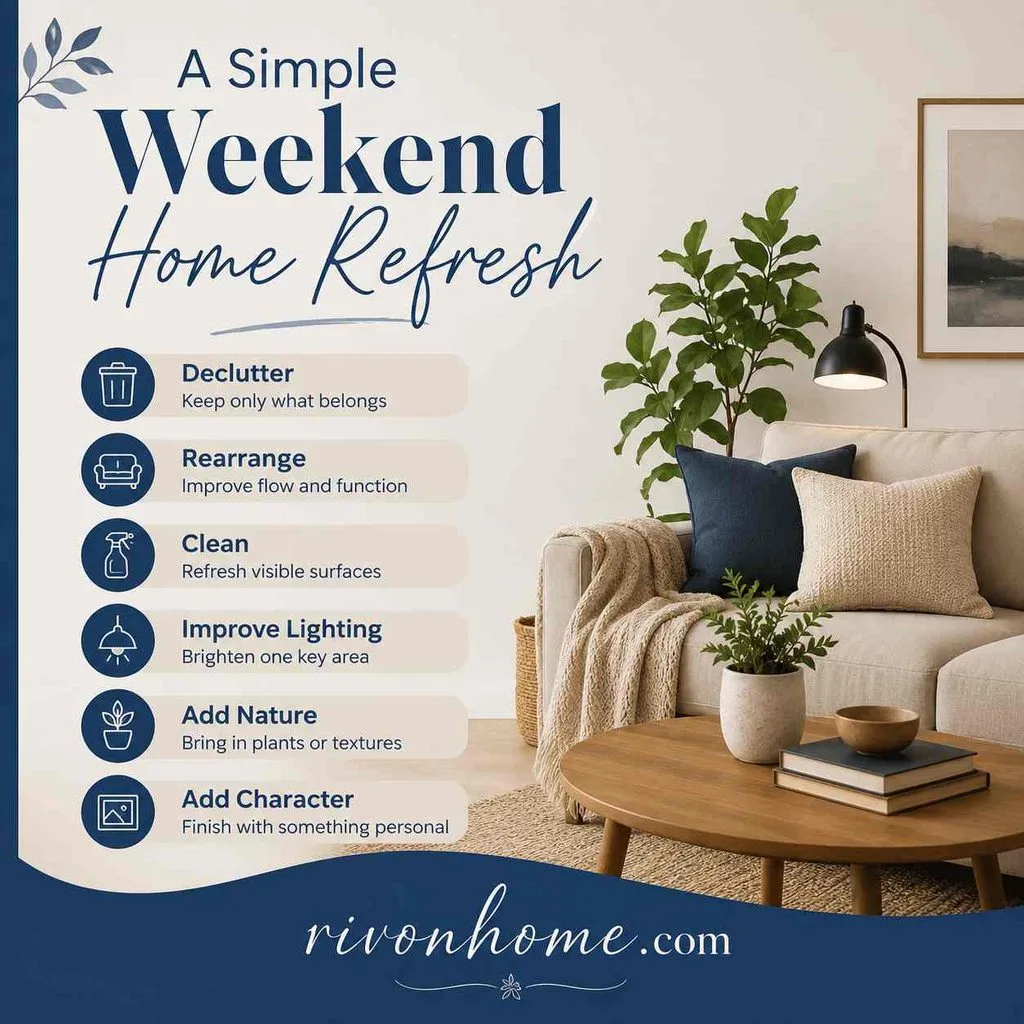
A Simple Weekend Home Refresh
You can make meaningful progress without starting a major project. Pick one room and remove anything that does not belong there. Rearrange the furniture for better movement. Clean visible surfaces. Improve one lighting problem. Add a plant or natural material. Finish with one personal object that gives the space character.
This method is simple, but it works because it focuses on function first. You can then decide whether the room really needs new furniture or whether a few thoughtful changes are enough.
Final Thoughts
The strongest homes are not always the most expensive ones. They are the homes where layout, light, comfort, storage, materials, and personal details work together. That is the principle I return to in my own design thinking.
The best ideas are also flexible. They should work in an apartment, a family house, or a smaller rental. Start with what you already have. Fix the problems you notice every day. Then add beauty with purpose. That is how a house gradually becomes a home that feels comfortable, useful, and genuinely personal.
Frequently Asked Questions
What is the best place to start when decorating a home?
Start with function. Decide how the room will be used, measure the space, and identify the biggest problem before buying anything.
How can I decorate my home on a small budget?
Rearrange existing furniture, improve lighting, update textiles, repaint useful pieces, and add affordable artwork or plants.
How can I make a small room look larger?
Keep walkways open, reduce clutter, use appropriately sized furniture, and make good use of mirrors and vertical storage.
Should every room follow the same style?
No. Rooms can have different personalities. Repeat a few colors, materials, or finishes to create a visual connection.
How can home decor become more sustainable?
Choose durable products, reuse furniture, reduce unnecessary purchases, improve energy efficiency, and consider natural light and ventilation during planning.
