Somewhere between the third open house in a Toronto bidding war and the fourth cup of coffee, most house hunters start asking a different question. Not “how do we win this one” but “where else could we even look.” That shift in thinking is what sends people north, west, and everywhere in between, chasing the kind of house that still has its original trim, a bit of slope in the floor, and a price tag that doesn’t require selling a kidney.
Character homes, the ones built before drywall became the default and every kitchen looked like a catalog page, are getting harder to find near the big cities. But Ontario is large, and plenty of towns still have streets lined with century homes, converted farmhouses, and brick two-storeys that have outlived several owners already. Some of these towns are an hour’s drive from the GTA. Others require a full tank of gas and a decent playlist. Either way, the homes are out there, and so is the budget to actually buy one.
A Few Things Worth Knowing First
Keep in mind that “affordable” is a moving target. A bargain town from a couple of years ago might already be heating up. Plus, renovation costs on older houses almost always run higher than expected—outdated knob-and-tube wiring and aging foundations aren’t cheap fixes. If you’re looking in any of these spots, build a generous cushion into your budget for hidden surprises. Yourhomify has covered a lot of that ground already, including a rundown on what actually goes wrong when you renovate an old house, worth a read before falling for any listing photos.
St. Catharines
St. Catharines gets overlooked because people lump it in with the rest of the Niagara region and assume prices match Niagara-on-the-Lake. They don’t. Older neighborhoods near downtown and around Port Dalhousie still have solid brick homes from the early 1900s, many with wraparound porches and the kind of woodwork nobody bothers replicating anymore. The GO train connection to Toronto helps commuters, and the wine country nearby doesn’t hurt weekend plans either. Anyone weighing a move should check this breakdown of St. Catharines neighborhoods for a street-level sense of where the older housing stock actually sits, since prices can shift by tens of thousands just crossing a few blocks.
Paris, Ontario
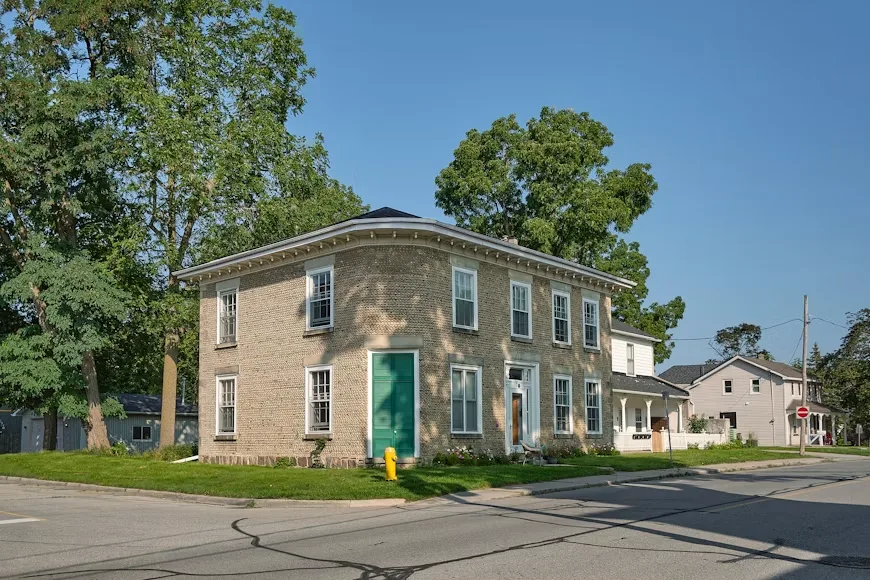
Yes, it’s a real town, and yes, the name confuses people every single time. Paris sits along the Grand River and has a downtown built almost entirely from cobblestone construction, a technique so specific to the area that locals sometimes call it the cobblestone capital of Canada. Homes here run smaller than what buyers find in bigger towns, but the character is dense. Even modest cottages carry stone facades that would cost a fortune to replicate today.
Goderich
A 2011 tornado wiped out much of Goderich’s historic tree canopy, though most of its classic housing stock miraculously made it through. The town centers around a unique octagonal square, where you can still find Victorian homes just a short walk from the shores of Lake Huron. Prices here stay lower than similar lakefront towns partly because Goderich is a genuine drive from anywhere, not a quick weekend jaunt. That isolation is exactly what’s kept it affordable.
Port Hope
Port Hope has one of the best-preserved main streets in the province, and the residential streets branching off it aren’t far behind. Georgian and Victorian homes line Walton Street and the surrounding blocks, many with slate roofs that have somehow survived a century of Ontario winters. It’s become a bit of a filming location darling too, which locals have mixed feelings about, but it hasn’t pushed prices into Toronto-adjacent territory yet.
Perth
Perth was built with stone quarries nearby, and that stone shows up everywhere: churches, storefronts, and plenty of houses that look like they belong in a different country. The town sits far enough from Ottawa that commuters mostly rule it out, which keeps demand, and prices, in check. Yourhomify’s guide to buying in small-town Ontario touches on exactly this kind of tradeoff, distance for affordability, and Perth is a textbook example.
Stratford
Stratford’s reputation runs on Shakespeare and a decent culinary scene, so people assume the housing follows suit and gets pricey. It hasn’t, not entirely. Just a few blocks past the theater district, you’ll find modest character homes – some built in the late 1800s – priced way lower than equivalent places in nearby Kitchener or Waterloo.
Almonte
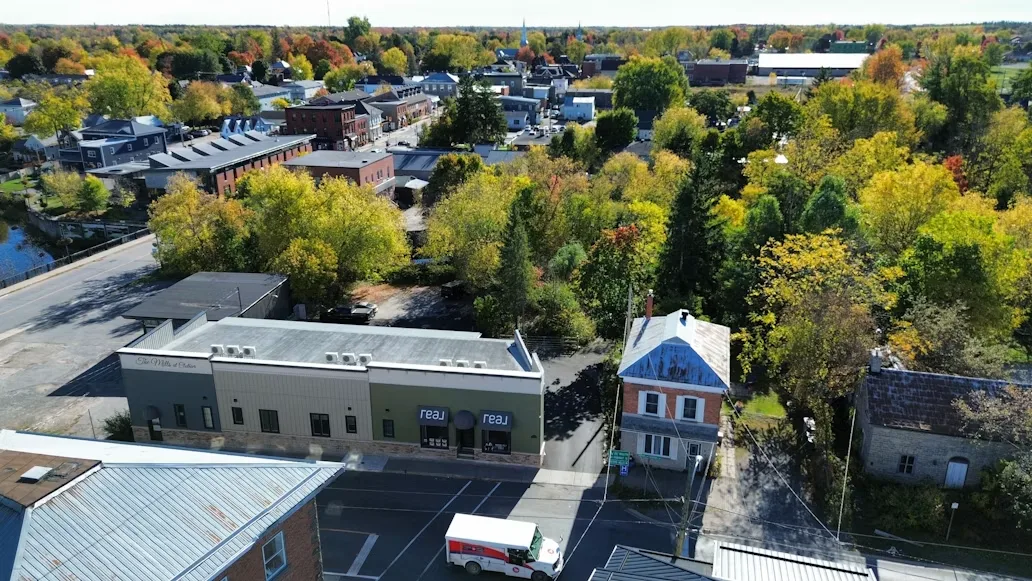
Almonte, technically part of Mississippi Mills, built its downtown around old woolen mills, and several of those mill buildings now sit alongside stone and brick homes from the same industrial era. The Mississippi River runs right through town, which adds a kind of visual bonus nobody factors into square footage. It’s become popular with Ottawa retirees looking to downsize without losing character, so the window on affordability here might be narrower than the others on this list. Buyers weighing an older mill town against a bigger renovation project might also want Yourhomify’s renovation guide for character homes on hand before making an offer.
The Honest Trade-Off
None of these towns come without compromise. Further out, commutes stretch, amenities get sparse, and the very charm that drew you to an old house is what drains your bank account. A century-old home almost never has modern insulation, and you can bet the furnace isn’t under warranty anymore. Still, for anyone priced out of the cities and unwilling to settle for a new build with no personality, these seven towns remain some of the last places in Ontario where an old house with real bones doesn’t require a fortune to own. Worth a Saturday drive, at the very least, before the secret gets out any further.