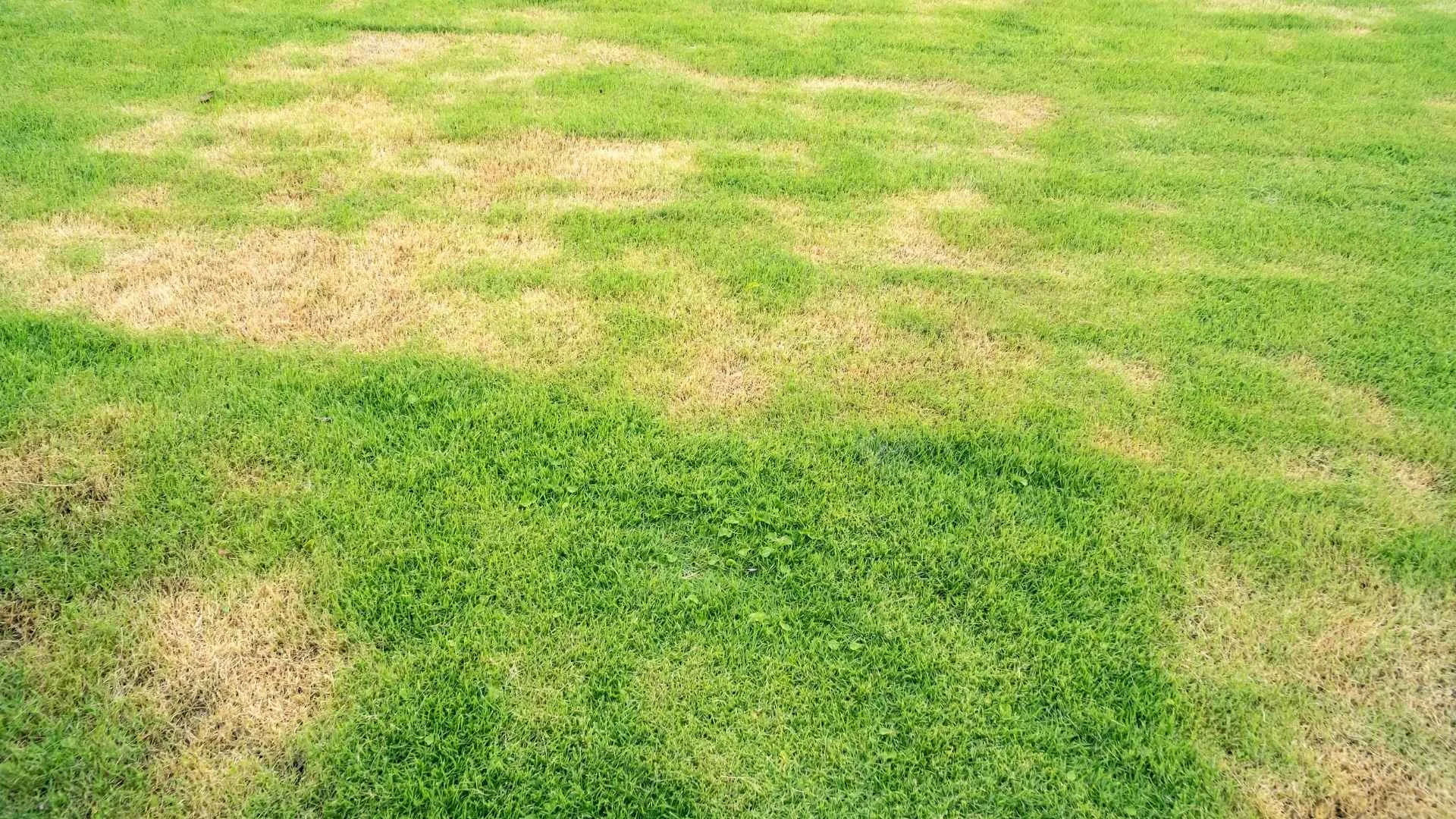
A good lawn in North Carolina is less about effort and more about timing. The state sits in the country’s transition zone, where both cool-season and warm-season grasses grow but neither is fully at home, so the same task done in the right month succeeds and done a few weeks off fails. Get the calendar right — when to seed, when to feed, and when to stop weeds before they start — and the lawn largely takes care of itself. Here is a season-by-season guide built around the Piedmont climate around Raleigh and Wake Forest.
First, know your grass
Everything on the calendar depends on which type of grass you have, because cool- and warm-season grasses run on opposite schedules. Feeding or seeding at the wrong point in that cycle is the single most common reason a lawn underperforms.
- Cool-season (tall fescue): the most common choice around Raleigh. Grows fastest in spring and fall, struggles in summer heat, and is seeded in early fall.
- Warm-season (bermuda, zoysia, centipede): thrives in summer, goes dormant and brown after the first frosts, and is best established in late spring.
If you are not sure which you have, note when it greens up and when it browns: fescue stays green into winter, while bermuda and zoysia brown out. That single observation tells you which half of this calendar to follow. Many Piedmont lawns are actually a mix, and in that case you manage for the grass you want to keep — usually the fescue — and treat the rest as a weed to suppress.
Spring (March–May)
Spring is for cleanup and prevention, not major seeding of cool-season lawns. The most important spring job is a pre-emergent weed control applied before soil temperatures reach the mid-50s — usually late February into March in the Piedmont — to stop crabgrass and other summer weeds before they germinate. Miss that window and you are pulling weeds all summer instead of preventing them in an afternoon.
One important caveat: pre-emergent and new seed usually do not mix. Many pre-emergent products can interfere with new grass seed germinating, so check the product label for the interval it requires between application and seeding — in most cases that rules out seeding a cool-season lawn in the same spring you apply pre-emergent. If your fescue is thin and needs seed, that repair belongs in fall, not spring.
For warm-season lawns, late spring is the time to establish or patch. Once the soil has warmed and the grass is actively greening up, it is the right moment to lay sod or sow seed. The right grass seed for your lawn type and sun exposure matters as much as timing — a shady yard and a full-sun yard need different blends. Hold off on heavy feeding of fescue in late spring; pushing lush top growth right before summer stress makes the lawn more disease-prone, not healthier.
Summer (June–August)
Summer is survival season, and the calendar is mostly about restraint. Cool-season fescue is under heat stress, so this is not the time to seed or fertilize it heavily — feeding stressed fescue pushes tender growth that brown patch and other fungal diseases love. Focus instead on deep, infrequent watering (about an inch a week, in one or two soakings rather than daily sprinkles) and mowing high, around 2.5 to 3.5 inches, to shade the soil and slow moisture loss.
Warm-season grasses, by contrast, are at their peak and can take a summer feeding to fuel active growth. Spot-treat broadleaf weeds as they appear rather than blanket-spraying in high heat, which can scorch the lawn along with the weeds. For everyone, keep mower blades sharp: a ragged cut loses more moisture and invites more disease than a clean one.
Fall (September–November): the most important season
For cool-season lawns, fall is the single most valuable stretch on the calendar, and if you only get one season right, make it this one. As nights cool, tall fescue comes out of summer stress and roots aggressively, which makes early fall the ideal time to seed, overseed thin areas, and repair damage. Match the seed to your conditions — a shady yard and a full-sun yard need different tall fescue blends. Aim to get seed down while the soil is still warm but the air has cooled — generally September into early October in the Piedmont — so seedlings have two mild seasons to establish before their first summer.
Fall is also the key feeding window. A fall application of lawn fertilizer helps fescue build the deep root reserves it needs to survive the next summer — far more useful than the same product applied in spring, which mostly pushes top growth. A soil test is worth doing here too, since Piedmont clay is often acidic; apply lime only if the soil test calls for it, to bring pH into a range where fertilizer can actually be taken up. For warm-season lawns, ease off feeding as growth slows; a late feeding pushes tender growth into the first frosts and can cause winter damage.
A simple fall sequence
- Soil-test early, and apply lime only if the results call for it — lime works slowly, so sooner is better.
- Core-aerate compacted clay before seeding to improve seed-to-soil contact and water movement.
- Seed or overseed fescue in the early-fall window, then keep it consistently moist until it establishes.
- Fertilize once seedlings are up and existing grass is actively growing.
Weed Control: Prevention and Treatment
Weed control runs on two tracks, and timing separates them. A pre-emergent works before weeds appear, forming a barrier that stops seeds — like crabgrass — from establishing; it is applied in late winter to early spring for summer weeds, and again in early fall for winter weeds. A post-emergent treats weeds that are already growing and is matched to the weed already present, so it does nothing to prevent the next flush.
Effective treatment starts with identifying what you are dealing with. Broadleaf weeds like dandelion and clover, grassy weeds like crabgrass, and sedges each respond to different products, and a spray aimed at the wrong category simply wastes money and can stress the lawn. Whatever you use, follow the product label closely — the rate, timing, temperature limits, and interval before seeding are on the label for a reason, and ignoring them is the most common way homeowners damage the grass they are trying to protect.
Winter (December–February)
Winter is quiet, but not empty. Warm-season lawns are dormant and need little beyond keeping leaves and debris off them, since a smothering layer can damage the crown. Fescue stays green and can be mown occasionally when it is actively growing on mild days, though you should stay off a frosted lawn to avoid bruising the blades. Most importantly, late winter is when the spring cycle begins again: watch soil temperatures so you can time that first pre-emergent weed control before the ground warms and crabgrass wakes up.
Winter is also the ideal planning window — the calmest point in the year to note the thin or shady spots that struggled, decide what to overseed in fall, and order seed, fertilizer, and lime early so you are ready when conditions are right.
Quick reference
- Late winter / early spring: pre-emergent weed control before soil hits the mid-50s.
- Late spring: establish or patch warm-season lawns; go easy on fescue.
- Summer: water deep, mow high, spot-treat weeds; don’t seed or heavily feed fescue.
- Early fall: seed and overseed cool-season lawns — the prime window.
- Fall: main fertilizing window for fescue; soil-test, lime, and aerate as needed.
- Winter: plan, order materials, and watch for the pre-emergent window.
None of these steps is complicated on its own. What separates a thick, healthy North Carolina lawn from a patchy one is almost always timing — matching the job to the month and to the grass you actually have. Plan the year around the calendar above, have your seed, fertilizer, and any needed lime ready before each window opens, and the lawn will reward the timing far more than it rewards extra effort.