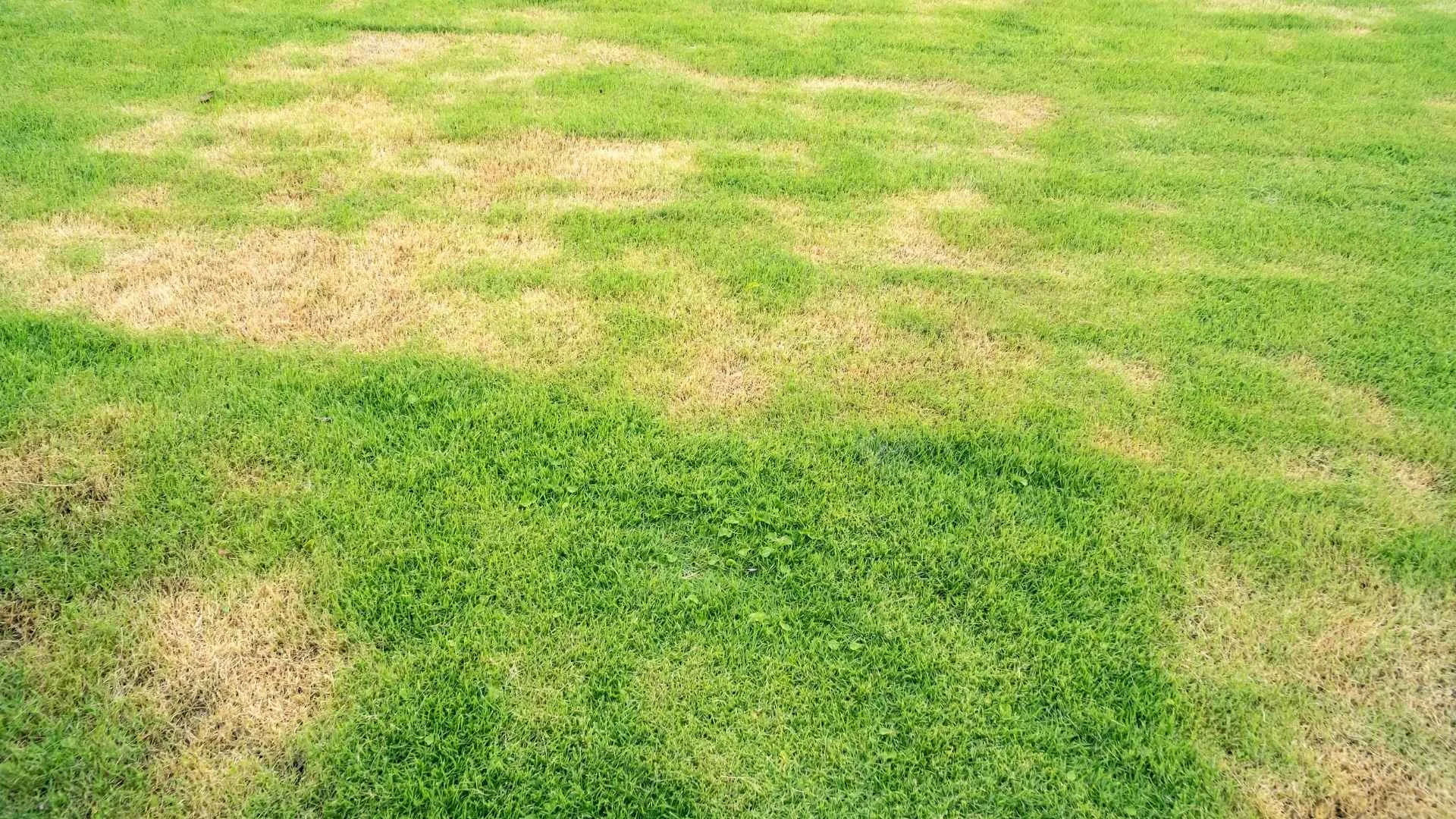
Picture this: you’ve spent a weekend styling your patio furniture, hanging string lights, and arranging planters just right, but the moment you step back to admire your outdoor space, your eye lands on the same tired problem, a lawn full of brown patches, thin spots, and bare dirt that no amount of clever furniture placement can hide. For Rivon Home readers who care about creating a balanced, elegant home from the front door to the backyard fence, a patchy lawn is the one design flaw that undermines everything else. It doesn’t matter how thoughtfully you’ve curated your outdoor living area if the ground beneath it looks neglected.
The good news is that this is one of the most fixable problems in home styling. Homeowners in the South Bay dealing with clay-heavy soil, drought restrictions, and intense summer heat often find that patchwork repairs never stick, which is why many turn to San Jose sod delivery and installation as a faster, more reliable path to a lawn that actually looks finished. Rather than spending another season nursing bare spots with grass seed and crossed fingers, professional sod installation gives you an established lawn in weeks instead of months, and it pairs perfectly with the kind of curated outdoor space Rivon Home readers are working toward.
The Problem: Why Your Lawn Looks Patchy
Before you can fix a patchy lawn, it helps to understand what’s actually happening underneath it. Soil compaction is one of the most common culprits, especially in yards with heavy foot traffic, parked bikes, or a trampoline that never gets moved. Compacted soil prevents water, air, and nutrients from reaching grass roots, so the grass thins out and eventually dies in those high-traffic zones while the rest of the lawn looks fine. Poor drainage creates the opposite problem, drowning roots in low spots after every rain or sprinkler cycle, while uneven watering coverage leaves some areas parched and others soggy.
Shade from mature trees, fences, or a second-story addition can also starve grass of the sunlight it needs, particularly for sun-loving varieties common in California landscaping. Add in pests like grubs feeding on roots underground, or fungal diseases that spread in warm, moist conditions, and you have a perfect storm for a lawn that looks patchy no matter how often you mow it. According to this article, thin grass is often a sign that a lawn hasn’t received enough fertilizer or water, that the soil is too compacted, that there’s excessive wear and traffic, or that disease or insects are at work below the surface. Identifying which of these factors is affecting your yard is the first step, but for many homeowners, the damage is severe enough that patching individual spots simply won’t solve the underlying issue.
Why Quick Fixes Don’t Work: The Limitations of Seeding and Overseeding
It’s tempting to grab a bag of grass seed from the hardware store and toss it over the worst-looking patches, but this approach rarely delivers the results homeowners expect. Seed requires consistent watering multiple times a day for weeks, protection from birds and foot traffic, and ideal weather conditions that don’t always cooperate with a busy household’s schedule. Even under perfect conditions, seeded grass takes ten to twelve weeks minimum to become a usable lawn, and during that entire stretch the yard remains an off-limits construction zone rather than the outdoor living space you actually want to enjoy.
Overseeding an already-struggling lawn compounds the problem because new seedlings have to compete with existing weeds, compacted soil, and whatever pest or disease issue caused the original damage. Without addressing the root cause, most homeowners find themselves reseeding the same trouble spots year after year, spending money and time without ever achieving the uniform, lush lawn they’re picturing. Seed also leaves soil exposed for weeks, which invites erosion during rainstorms and gives weeds an open invitation to take hold before the grass has a chance to establish itself.
The Solution: How Professional Sod Installation Transforms Your Lawn in Weeks
Sod flips the entire timeline in your favor. Because sod arrives as mature grass with an established root mat, it stabilizes soil immediately, preventing the erosion that bare seed beds are vulnerable to, and it leaves almost no open ground for weed seeds to germinate. Professional installers assess the same issues that caused your original patchiness, compaction, drainage, and soil quality, and correct them before laying a single strip of sod, which means the new lawn isn’t just prettier, it’s healthier from the ground up.
The transformation timeline speaks for itself when compared side by side, and the table below breaks down exactly how sod outperforms seed on the metrics that matter most to homeowners weighing their options.
| Metric | Sod | Seed |
| Time to Usable Lawn | 2 to 3 weeks | 10 to 12 weeks minimum |
| Root Establishment | Firmly rooted, ready for normal use in 2 to 3 weeks | Requires 6 to 10 weeks minimum |
| Weed Reduction | Minimal room for weeds to establish | Higher weed pressure, more herbicide needed |
| Erosion Control | Immediate soil stabilization | Cannot prevent erosion quickly |
| Cost per sq. ft. Installed | $0.69 to $2.85 | $0.08 to $0.20 |
While sod carries a higher upfront cost, the speed, weed suppression, and erosion control it provides often make it the more practical investment for homeowners who want reliable results rather than a multi-month gamble. It also complements broader landscaping and design goals, since a finished lawn makes every other backyard feature, from patios to garden beds, look more intentional. If you’re already gathering outdoor ideas for your yard, a fresh sod lawn gives you a clean, green canvas to build the rest of your design around.
Getting Started: What to Expect from San Jose Sod Delivery and Installation
Professional sod installation typically begins with a site visit to evaluate soil condition, drainage, sun exposure, and the square footage needed, since accurate measurements prevent delays on installation day. Crews then till and level the existing soil, amend it as needed for local clay-heavy conditions, and lay the sod in a brick-pattern layout so seams knit together tightly as the roots take hold. Watering instructions for the first two to three weeks are critical, and most reputable installers will walk you through a simple schedule so the new lawn establishes properly without guesswork on your part.
Timing matters too, since sod installed during cooler months typically requires less intensive watering and experiences less transplant stress than sod laid during peak summer heat. Homeowners who plan ahead and coordinate delivery with a bit of prep work, like clearing debris and marking sprinkler heads, tend to have the smoothest experience and the quickest transition to a lawn they can actually walk on. Within a few short weeks, that patchy, embarrassing yard becomes the finishing touch your outdoor space deserved all along.