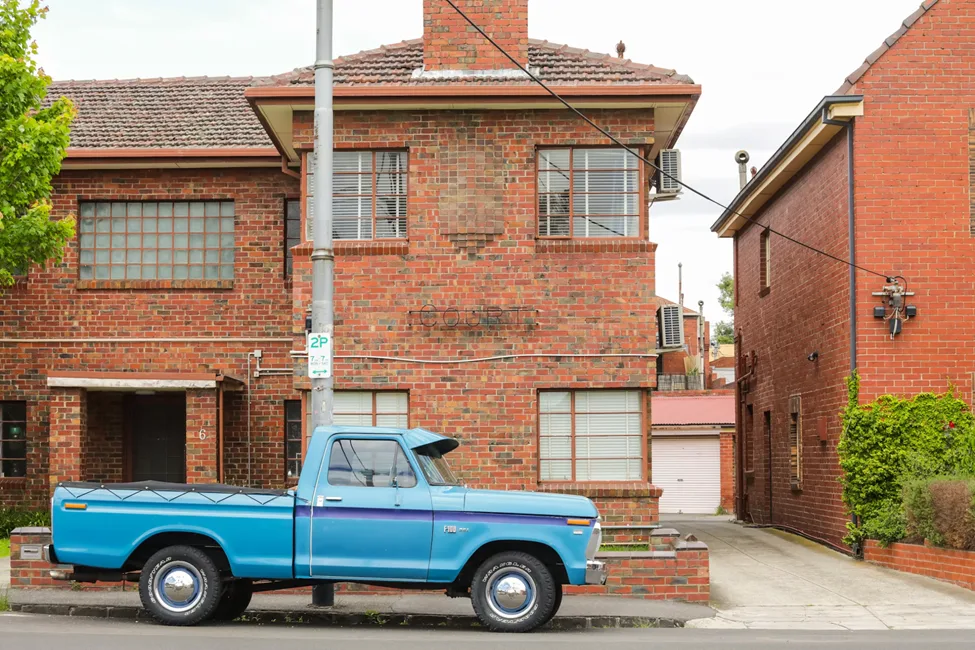
Moving in Melbourne has its own challenges: narrow streets in Fitzroy, service lifts in Docklands towers and clearways with time-based parking restrictions. A good removalist will ask about these details before confirming a quote.
Start by working out what you need, shortlist a few movers, compare written quotes, confirm the local logistics and check how your belongings will be covered.
Decide what you need before you ask for quotes
Quotes only help if every mover is pricing the same job, so pin down the basics first. Write down both addresses, your preferred date, access restrictions, packing needs and items that need special care. This gives each mover the same starting point and makes later comparisons easier. To organise these details, use a checklist to build a practical moving plan before requesting quotes.
Access at both homes
Access can change the time and cost of a move. Note stairs, lift dimensions and booking windows, the distance from the truck to the door, and any clearways or loading zones. Check the council rules for both addresses, as parking arrangements can differ between suburbs.
Shortlist Melbourne movers using consistent checks
North Removals offers different truck and crew sizes, which can help match a booking to the size of your move. Apply the same basic checks to every company on your shortlist.
Basic checks
An ABN and clear contact details that you can verify.
- Written quotes, not just a price over the phone.
- Itemised inclusions and exclusions, including stairs, heavy items and packing materials.
- Clear cancellation, deposit and rescheduling terms.
Compare like-for-like quotes
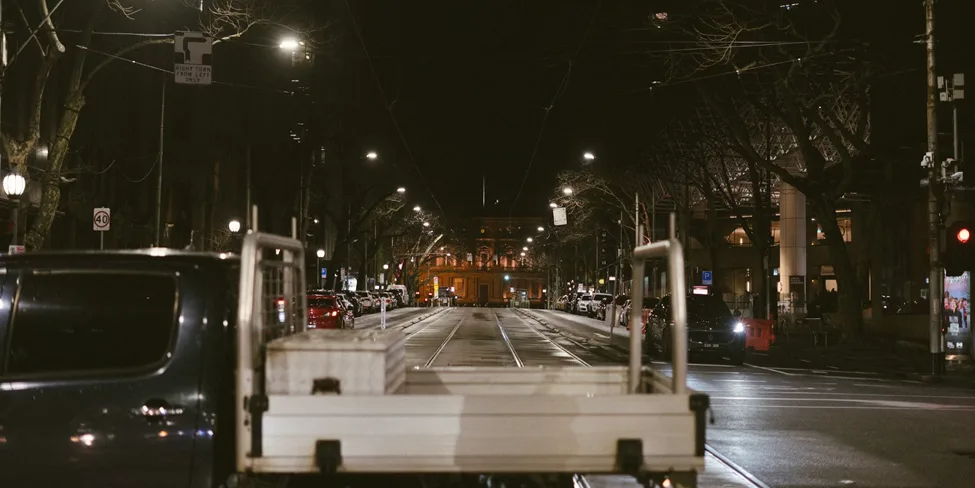
A low hourly rate doesn’t always mean a lower bill. Travel charges, minimum booking periods and access delays can all affect the total.
What to send with your request
Give every mover the same details: both addresses, a room-by-room inventory or estimated volume, access notes, heavy or awkward items such as pianos and safes, lift booking times, and your parking plan. Photos of bulky furniture or tight access points can help clarify the job.
What to get back in writing
Ask for the truck size and crew number, hourly rate or fixed price, minimum hours, depot travel charges, weekend rates, surcharges, packing fees and any insurance included. For an hourly job, ask when charging starts and stops. For a fixed-price job, ask what could change the agreed price.
North Removals’ published calculator provides a useful starting estimate. Confirm current rates and inclusions in a written quote based on your inventory and access details, then compare it with other written quotes. Focus on the estimated total and included services, not just the headline rate. For a quick starting point, an estimate from a removalist company Melbourne can provide another comparison point, provided you verify the details in writing.
Melbourne logistics that affect cost and timing
Parking, building rules and road closures can affect how long your move takes. Confirm these details early so your mover can plan the crew’s arrival and loading time.
Street parking and permits
If you need to reserve kerbside space, check with the relevant council whether a permit is available and which bays you can use. City of Melbourne reserved parking permits attract fees, so confirm current charges, application lead times and eligibility for any resident discount before booking.
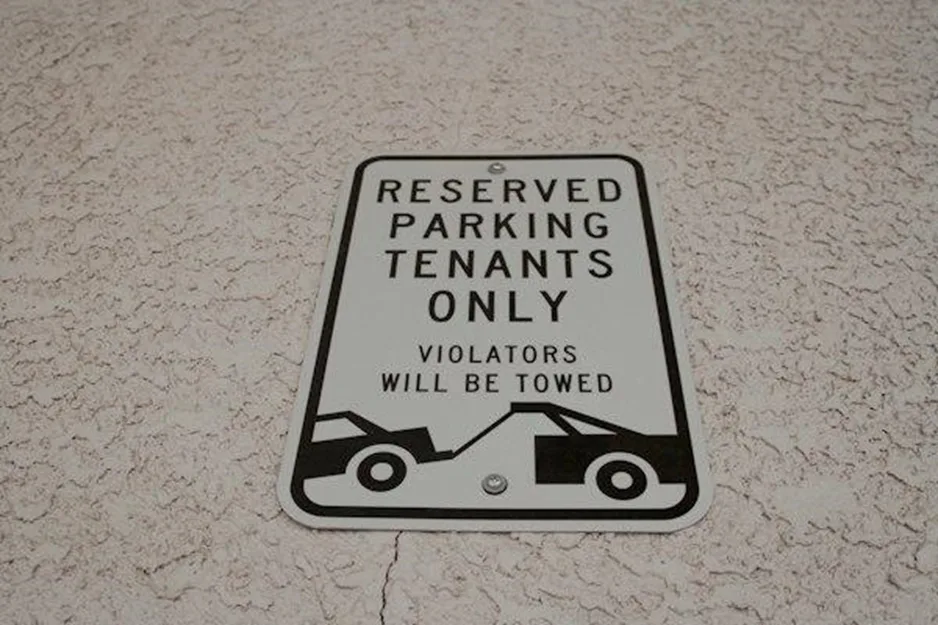
Ask your mover how much space the truck needs, including room to use its ramp or tail lift. A reserved-parking permit doesn’t override clearway or No Stopping restrictions. Check the signs for the entire loading window, not just the arrival time, and don’t assume a loading zone allows all-day parking.
Apartment and strata moves
Many buildings require a service-lift booking, a bond, protective coverings and a set moving window. Contact the building manager early and pass the requirements to your mover. Check that large furniture will fit in the lift, because a missed slot or an unexpected stair carry can add paid hours.
Insurance, liability and your belongings
Separate two questions: what the mover is responsible for and what an insurance policy will pay for. They aren’t the same thing.
Check cover, exclusions and claims
A mover’s business insurance isn’t necessarily cover for your belongings. Ask whether goods-in-transit insurance is included or offered separately, whether loading and unloading are covered, and what exclusions or excesses apply. Self-packed boxes may have restricted cover.
North Removals advertises liability insurance and transit cover. Request the policy documents to understand the limits, exclusions and claims process, rather than relying on a general description such as “fully insured”.
Insurance is also separate from your consumer rights. Removalists must provide services with due care and skill under Australian Consumer Law. If damage occurs, photograph it, notify the mover promptly and keep the quote, inventory and correspondence.
Lock it in: your pre-move checklist
- Confirm the date, arrival window, truck size and crew number in writing.
- Confirm lift bookings and any permit approval, and share the building manager’s contact details.
- Label boxes by room and clearly mark fragile items.
- Pack a first-night kit with chargers, toiletries, bedding and essential kitchen items.
- Agree on the payment method and timing.
- Arrange mail redirection and update your address with banks, utilities and insurers.
Conclusion
Choosing a removalist is easier when each company has the same information and explains its charges clearly. Confirm where the truck can park, when the lift is available and how your belongings are covered. Those checks make quotes more useful and reduce avoidable delays on moving day.
FAQs
How early should I book a mover in Melbourne?
Aim for a few weeks ahead for a local move, and enquire earlier for Saturdays, month-end dates or regional trips. Availability varies, so check before committing to related bookings.
Are removalists liable if something breaks?
Liability depends on the circumstances, including whether the mover used due care and skill. Insurance is a separate question governed by the policy terms. Report damage promptly and keep photographs and booking records.
What should I ask about apartment lift access?
Ask who books the service lift, what time window applies, whether protective padding is required and what happens if the lift is unavailable. Confirm these details with the building manager and include them in the mover’s instructions.
Do I need a parking permit for moving day?
Check the relevant local council for permit availability, fees and application timing. Also read the street signs for the full loading window, because a permit does not override clearway or No Stopping restrictions.