Our homes are intricate networks of systems designed to provide comfort and convenience. At the heart of this network are the plumbing and heating systems, working in tandem to deliver essential services. Understanding how these systems function, their primary components, and how they integrate is the first step toward effective maintenance.
The plumbing system is responsible for bringing fresh water into your home and carrying wastewater away. Key components include the main water line, pipes (supply and drain lines), fixtures (faucets, toilets, showers), and water-dependent appliances like washing machines and dishwashers. Crucially, your water heater is a central part of this system, providing hot water for bathing, cleaning, and cooking. Whether you have a traditional tank model or a more modern tankless unit, its proper function is vital.
On the heating side, furnaces are common, distributing warm air throughout the home via a system of ducts. Other heating solutions might include boilers, heat pumps, or radiant floor systems. These systems rely on various components like thermostats, burners, heat exchangers, and vents to maintain a comfortable indoor temperature. The efficiency of your heating and cooling systems is paramount, as heating and cooling combined can account for nearly 50% of the average U.S. household’s energy use.
The integration of these systems means that issues in one can sometimes affect the other. For instance, a leak in a water heater can impact your plumbing system and potentially cause water damage that affects nearby heating components. Conversely, problems with ventilation in your heating system could affect air quality, which is indirectly linked to overall home comfort. For homeowners seeking reliable information on maintaining these crucial home elements, resources that provide straightforward advice on everything from routine checks to emergency repairs are invaluable. A comprehensive guide to maintaining an Honest home plumbing heating system can be a great starting point for understanding these complex interconnections.
Essential Home Plumbing and Heating Maintenance Tasks
Proactive maintenance is the cornerstone of preventing major breakdowns and extending the lifespan of your home’s systems. Regular checks and minor interventions can save homeowners significant time and money in the long run. In fact, proper HVAC maintenance alone can improve system efficiency by 15%–20% and extend equipment life, showcasing the real impact of consistent care.
One critical task for traditional water heaters is checking and replacing the anode rod. This sacrificial rod corrodes over time, protecting the tank from rust. Neglecting it can drastically shorten your water heater’s life. Regular flushing of your water heater, especially in areas with hard water, is also essential to remove sediment buildup that can reduce efficiency and cause damage. Learn more about how hard water affects your water heater and how to protect it.
For your heating system, routinely replacing or cleaning furnace filters is non-negotiable. Dirty filters restrict airflow, forcing your furnace to work harder, which wastes energy and can lead to system strain. Depending on your system and household, filters may need changing every 1-3 months.
Plumbing maintenance also includes regular drain cleaning to prevent clogs. Using enzymatic cleaners or performing simple DIY methods like pouring hot water and baking soda down drains can help keep them flowing freely. However, for persistent clogs, professional drain cleaning is recommended to avoid damaging pipes.
Finally, checking the pressure valves on your water heater and the pressure regulator for your home’s main water supply is important. A faulty pressure regulator can lead to high water pressure, which puts undue stress on your entire plumbing system, potentially causing leaks and appliance damage. Understanding and maintaining your pressure regulators is key to protecting your home’s pipes and fixtures.
Troubleshooting Common Home Plumbing and Heating Issues
Even with diligent maintenance, issues can arise. Knowing how to identify and, in some cases, address common problems can prevent minor annoyances from escalating into costly emergencies. Over 400,000 homes in the U.S. experience some form of water damage each year due to plumbing failures, highlighting the importance of early detection.
For heating systems, uneven heating (some rooms too hot, others too cold) often points to issues with ductwork, thermostat placement, or even dirty filters. Checking your furnace filter is always a good first step. If your gas furnace isn’t igniting, a common culprit is a pilot light that has gone out or a faulty igniter. While relighting a pilot light can sometimes be a DIY task, it’s crucial to follow safety instructions carefully, or better yet, call a professional for water heater repair and heating system checks.
In plumbing, slow drains are a frequent complaint. This can be caused by hair, grease, or soap scum buildup. A plunger or a simple drain snake might clear the obstruction. However, if multiple drains are slow or you notice gurgling sounds, it could indicate a more significant blockage in your main sewer line, requiring professional intervention.
Fluctuations in water pressure can also be a sign of trouble. Low pressure could be due to a partially closed main shut-off valve, mineral buildup in pipes, or a problem with your water heater. Conversely, excessively high water pressure can damage appliances and lead to leaks. This is where your home’s pressure regulator plays a vital role. If you suspect issues with water pressure or any other significant plumbing or heating problem, consulting with a qualified technician is always the safest and most effective course of action. Remember to prioritize water heater safety tips when dealing with any hot water appliance.
Repair vs. Replace: Making the Right Call for Major Systems
One of the most challenging decisions homeowners face is whether to repair a failing plumbing or heating system component or invest in a full replacement. This choice often involves weighing immediate costs against long-term benefits and system reliability. Homeowners spend an average of $2,000–$7,000 on plumbing repairs over the lifetime of a home, so making informed choices about larger investments is crucial.
Several factors should guide your decision:
- Equipment Age: Every major system has an expected lifespan. For instance, traditional tank water heaters typically last 10-15 years, while furnaces can last 15-20 years. If your unit is approaching or has exceeded its expected lifespan, a replacement might be more economical than pouring money into repairs.
- Frequent Repairs: If you find yourself calling for repairs every few months, the cumulative cost can quickly outweigh the investment in a new, more efficient unit. Frequent breakdowns also indicate that the system is nearing the end of its functional life.
- Performance Decline: Noticeable drops in performance, such as insufficient hot water, inconsistent heating, or higher energy bills without a change in usage, are strong indicators that your system is struggling. Older units are often less efficient than modern ones, leading to higher operating costs.
- Cost of Repair vs. Replacement: A general rule of thumb is the “50% rule.” If the cost of a repair is 50% or more of the cost of a new unit, replacement is usually the smarter financial decision.
Consider a failing water heater. A minor leak might be a simple water heater repair. However, if the tank is old, heavily corroded, or experiencing multiple issues, opting for water heater replacement can provide greater peace of mind, improved efficiency, and a new warranty. When facing such decisions, especially with critical systems like water heaters, it’s beneficial to consult with experts who can provide a comprehensive assessment and transparent recommendations. For example, a local service specializing in Glendale 24-hour water heating can offer immediate assistance and expert advice on whether to repair or replace, ensuring you have hot water when you need it most.
Indicator Repair Often Recommended Replace Often Recommended Age of System Relatively new (within first half of expected lifespan) Old (approaching or past expected lifespan) Frequency of Issues Isolated, infrequent problems Multiple, recurring breakdowns Repair Cost Minor, significantly less than 50% of new unit cost Major, 50% or more of new unit cost Efficiency Still operates efficiently Noticeable decline in efficiency, higher energy bills Warranty Still under warranty or repair is covered Warranty expired, repairs are out-of-pocket Parts Availability Parts are readily available and affordable Parts are obsolete, difficult to find, or expensive Safety Concerns No safety risks Potential safety hazards (e.g., carbon monoxide leaks) The goal is to make a decision that ensures your home’s comfort and safety while being fiscally responsible. Discussing your options with a trusted professional who can assess your specific situation and provide detailed cost comparisons is always recommended. This allows you to weigh the pros and cons of repairing your existing unit versus investing in a new, potentially more advanced system. Exploring the differences between tank vs tankless water heaters can also inform your decision, especially if you’re considering an upgrade.
Improving Energy Efficiency and Indoor Air Quality
Beyond basic maintenance, homeowners have significant opportunities to enhance their home’s energy efficiency and indoor air quality through strategic upgrades and smart system management. These improvements not only save money but also contribute to a healthier and more comfortable living environment.
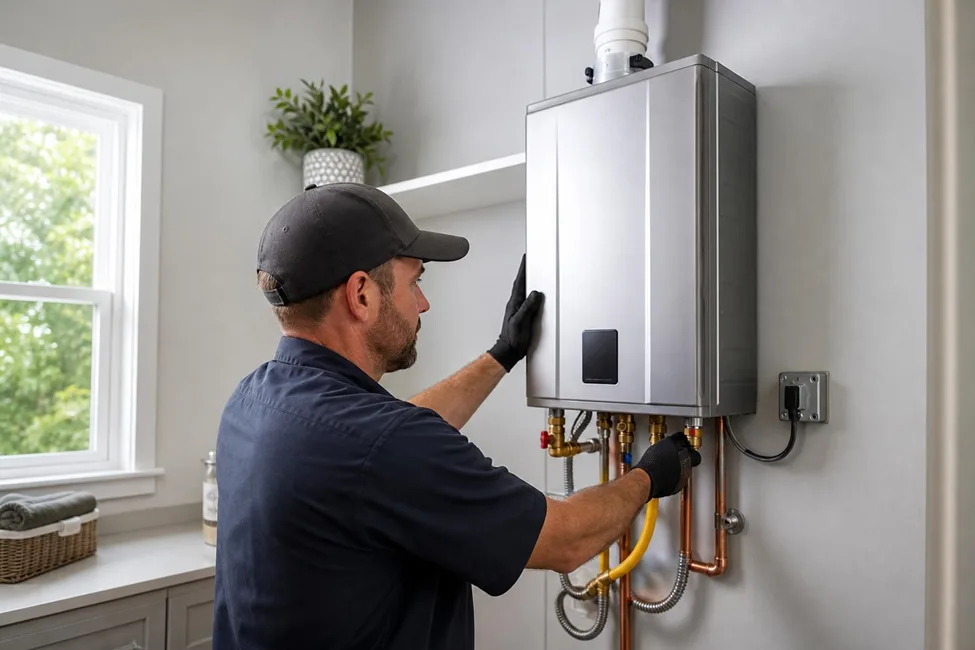
One of the most impactful upgrades for water heating is transitioning to a tankless water heater. Unlike traditional tank models that continuously heat and store water, tankless units heat water on demand. This eliminates standby heat loss, leading to substantial energy savings. Tankless water heaters can reduce water heating costs by an impressive 24%–34% compared to traditional tank models, making them a wise long-term investment.
They also offer continuous hot water, a significant convenience for larger households. For those interested in exploring this option, a detailed comparison of tank vs tankless water heaters can provide valuable insights. Additionally, considering a hot water recirculating system can further enhance efficiency by providing instant hot water at fixtures, reducing wasted water.
Beyond water heaters, programmable thermostats are essential tools for managing your heating and cooling systems efficiently. By setting schedules that align with your family’s routine, you can avoid heating or cooling an empty house, significantly reducing your energy consumption. Smart thermostats take this a step further, learning your preferences and even integrating with other smart home devices for optimal performance.
Indoor air quality (IAQ) is another crucial aspect of home health. Your HVAC system plays a direct role here. Upgrading to high-efficiency air filters (MERV 8 or higher) can capture more dust, pollen, and pet dander. For more comprehensive air purification, consider installing whole-home air purifiers or UV germicidal lights within your ductwork. These systems can neutralize airborne contaminants, allergens, and even viruses, providing cleaner, healthier air for your family.
Furthermore, proper water filtration & conditioning systems can contribute to both plumbing longevity and overall health. By removing impurities, sediment, and hard minerals from your water, you protect your pipes and appliances from scale buildup and improve the taste and quality of your drinking water.
Finally, don’t overlook potential financial incentives for energy-efficient upgrades. Many regions offer California water heater rebates & tax credits and other programs for installing high-efficiency plumbing and HVAC equipment. These incentives can significantly offset the initial investment, making energy-saving upgrades even more attractive. By combining smart technology with efficient systems, you can create a home that is both comfortable and environmentally friendly.
Frequently Asked Questions about Home Maintenance
Homeowners often have specific questions about the best practices for maintaining their plumbing and heating systems. Addressing these common queries can help clarify doubts and empower them to take better care of their homes.
How often should I flush my water heater?
The frequency of flushing your water heater depends largely on your water quality. In areas with hard water, sediment buildup can occur rapidly. We generally recommend flushing your traditional tank water heater annually to remove accumulated sediment. This practice helps maintain the unit’s efficiency, prevents premature wear and tear, and can extend its lifespan. For homes with particularly hard water, or if you notice unusual noises coming from your water heater (often caused by sediment), a semi-annual flush might be beneficial. Regular flushing is a key component of good water heater safety tips and helps prevent issues related to how hard water affects your water heater. Tankless water heaters also require annual maintenance, often involving a descaling process to remove mineral buildup.
What are the signs of a hidden water leak?
Hidden water leaks can be insidious, causing significant damage before they’re detected. Early signs to watch for include:
- Unexplained Increase in Water Bill: A sudden spike in your monthly water bill without a change in usage is a major red flag.
- Damp Spots or Discoloration: Patches of dampness, water stains, or discoloration on walls, ceilings, or floors could indicate a leak within those structures.
- Musty Odors: Persistent musty or moldy smells, especially in areas like basements or under sinks, often point to hidden moisture.
- Sound of Running Water: If you hear the sound of running water when all fixtures are off, there’s likely a leak somewhere.
- Decreased Water Pressure: A noticeable drop in water pressure throughout your home, or in specific areas, can sometimes be linked to a leak.
- Foundation Cracks: In severe cases, prolonged slab leaks can lead to cracks in your home’s foundation.
If you suspect a hidden leak, it’s crucial to act quickly. Shut off your main water supply if the leak is severe, and contact a professional plumber immediately. They have specialized tools for leak detection that can pinpoint the source without unnecessary demolition, helping to mitigate further damage. Checking your pressure regulators can also help identify if high pressure is contributing to potential leaks.
How can I improve my home’s heating efficiency?
Improving your home’s heating efficiency can lead to significant energy savings and enhanced comfort. Here are several effective strategies:
- Install a Programmable or Smart Thermostat: As mentioned earlier, these devices allow you to optimize heating schedules, reducing energy waste when you’re away or asleep.
- Regular HVAC Maintenance: Annual tune-ups for your furnace or heat pump ensure it runs at peak efficiency. Technicians can clean components, check for wear, and make necessary adjustments.
- Seal Ductwork: Leaky ducts can lose a significant amount of heated air before it reaches your living spaces. Sealing ducts with mastic sealant or metallic tape can drastically improve efficiency.
- Insulate Your Home: Proper insulation in your attic, walls, and crawl spaces prevents heat from escaping, keeping your home warmer with less effort from your heating system.
- Seal Air Leaks: Caulk and weatherstrip around windows, doors, and other openings to prevent drafts and heat loss.
- Upgrade to High-Efficiency Systems: If your furnace or heat pump is old, consider upgrading to a newer, energy-efficient model. Modern systems, including high-efficiency furnaces and heat pumps, are designed to deliver more heat using less energy. Exploring options like tankless water heaters can also contribute to overall home energy savings.
- Consider Zone Heating: For larger homes, zone heating systems allow you to control the temperature in different areas independently, preventing you from heating unused rooms.
By implementing these strategies, you can reduce your heating bills, minimize your environmental footprint, and enjoy a more consistently warm home throughout the colder months.
Conclusion
Maintaining your home’s plumbing and heating systems is an ongoing commitment, but one that pays dividends in comfort, safety, and financial savings. As we’ve explored, from understanding the basic components to making informed decisions about repairs versus replacements, proactive care is the key to a healthy home.
Regular maintenance, such as flushing water heaters, changing furnace filters, and addressing minor issues promptly, helps prevent costly emergencies and extends the lifespan of your valuable equipment. Embracing energy-efficient upgrades like tankless water heaters and smart thermostats not only reduces your utility bills but also contributes to a more sustainable lifestyle.
However, recognizing when to call in the professionals is equally important. Many plumbing and heating issues require specialized knowledge, tools, and experience to diagnose and resolve safely and effectively. Partnering with a trustworthy, licensed, and insured plumbing and HVAC company ensures that you receive expert service and peace of mind.
By taking a proactive approach to your home’s essential systems, you’re not just preventing problems; you’re investing in the long-term comfort, efficiency, and value of your home. Don’t wait for a crisis to take action.
Ready to enhance your home’s comfort and efficiency?
- Explore financing options for your next plumbing or HVAC project.
- Discover our current specials and savings.
- Learn more about water filtration and conditioning for cleaner water.
- Consider the benefits of a hot water recirculating system for instant hot water.
- Get a quote for tankless water heaters or tank water heaters.
- Ensure your home’s safety with information on pressure regulators and earthquake valves.
- Browse our selection of quality products from brands like Bradford White, Navien, and Noritz.
- View all our services or get a water heater quote today.
- Find services in your local area.