Homes in warm, humid regions face a different set of challenges than those in drier climates. Constant moisture in the air, frequent rainfall, and long stretches of heat put steady pressure on building materials, mechanical systems, and outdoor structures. Left unchecked, this environment can quietly damage wood, drywall, insulation, and roofing while also creating ideal conditions for insects and other pests to move in. South Florida homeowners in particular deal with a rainy season that can bring measurable rainfall on more than half the days between June and September, according to National Weather Service climate records, which means moisture management is not a seasonal chore but a year-round responsibility.
The good news is that most of these problems are preventable. A handful of consistent maintenance habits, practiced throughout the year rather than only after something goes wrong, can protect a property’s structure and keep it less hospitable to unwanted visitors. Understanding where moisture tends to collect, and why pests are drawn to it, gives homeowners a practical framework for deciding where to focus their time and budget.
Ventilation and Humidity Control Start Indoors
Indoor humidity is one of the most overlooked factors in home maintenance, yet it directly affects everything from air quality to structural integrity. The Environmental Protection Agency recommends keeping indoor relative humidity between 30 and 50 percent to limit mold growth and reduce strain on HVAC systems. In warm coastal climates, humidity can climb well above that range without proper airflow, especially in bathrooms, kitchens, laundry rooms, and attics.
Exhaust fans should vent directly outside rather than into an attic or crawl space, where trapped moisture can condense on framing and insulation. Attics also benefit from balanced intake and exhaust ventilation, which helps hot, moist air escape instead of settling against the roof deck. Homeowners who run dehumidifiers in enclosed areas, particularly during the wettest months, often see a noticeable drop in musty odors and surface condensation.
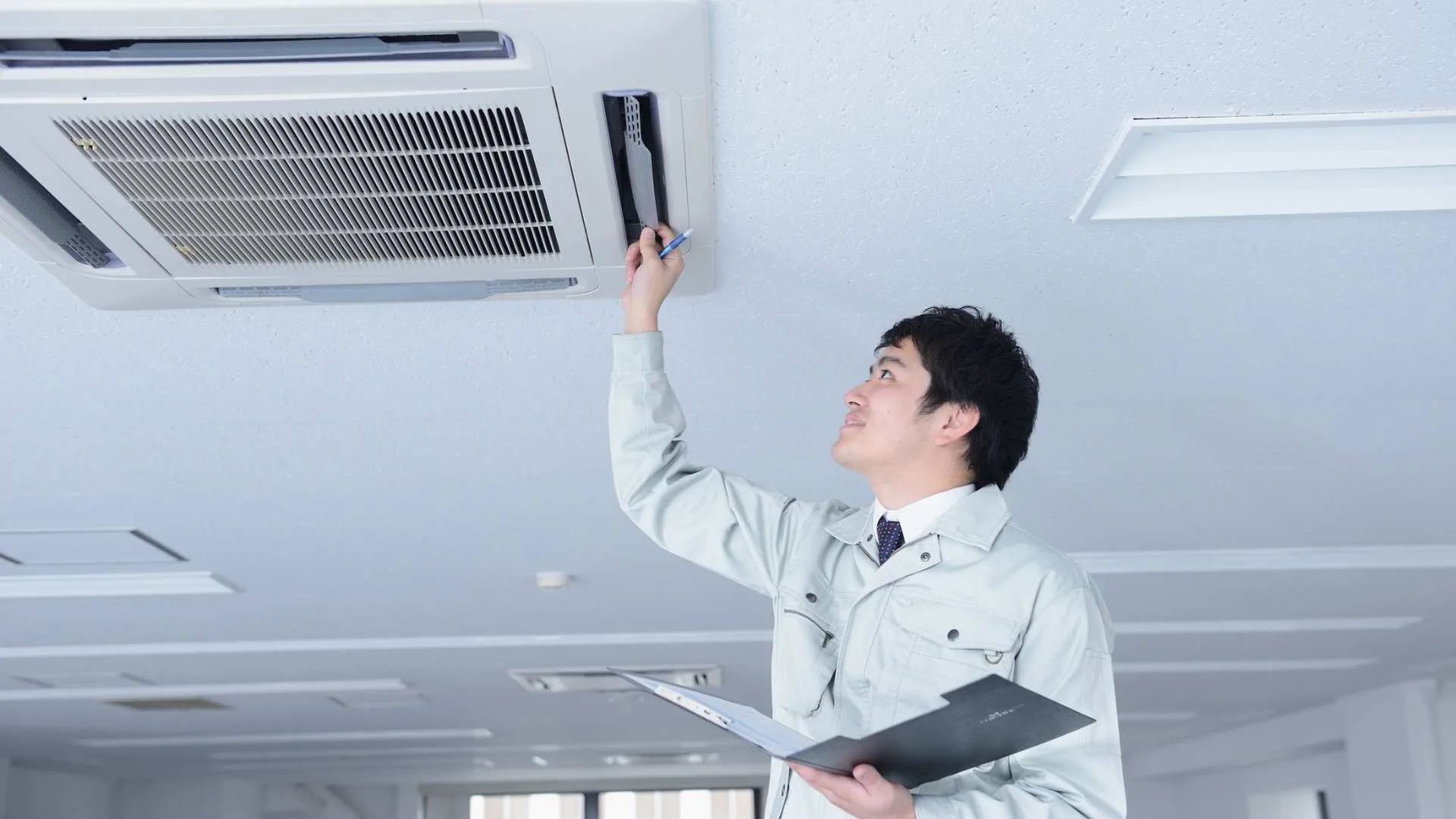
Central air conditioning systems also play a quiet but important role. A properly sized and maintained system removes humidity as it cools the air, but an oversized unit can cycle on and off too quickly to dehumidify effectively, leaving rooms cold yet clammy. Changing air filters on schedule and having ductwork inspected for leaks helps the system perform as intended rather than working against the home’s natural humidity levels.
Plumbing Leaks, Gutters, and Drainage Deserve Regular Attention
Small plumbing leaks are easy to ignore because they rarely cause immediate, visible damage. Over weeks or months, though, a slow drip under a sink or behind a wall can saturate wood and drywall, creating the kind of damp, dark environment that many pests are drawn to. Checking supply lines, faucet connections, and water heater fittings once or twice a year catches most leaks before they become expensive repairs.
Gutters and downspouts play a similar role outdoors. When they clog with leaves and debris, water backs up and spills over the edge, often landing right next to the foundation. Over time this can erode soil, crack foundations, and create standing puddles that take days to evaporate in humid air. Extending downspouts several feet away from the house and grading soil so it slopes away from the foundation are both simple, low-cost fixes.
This kind of proactive water management is one of the most consistent recommendations offered by professionals who handle Boca Raton pest control, since chronic dampness near a structure is one of the strongest predictors of ongoing pest pressure.
Exterior Upkeep That Prevents Bigger Problems
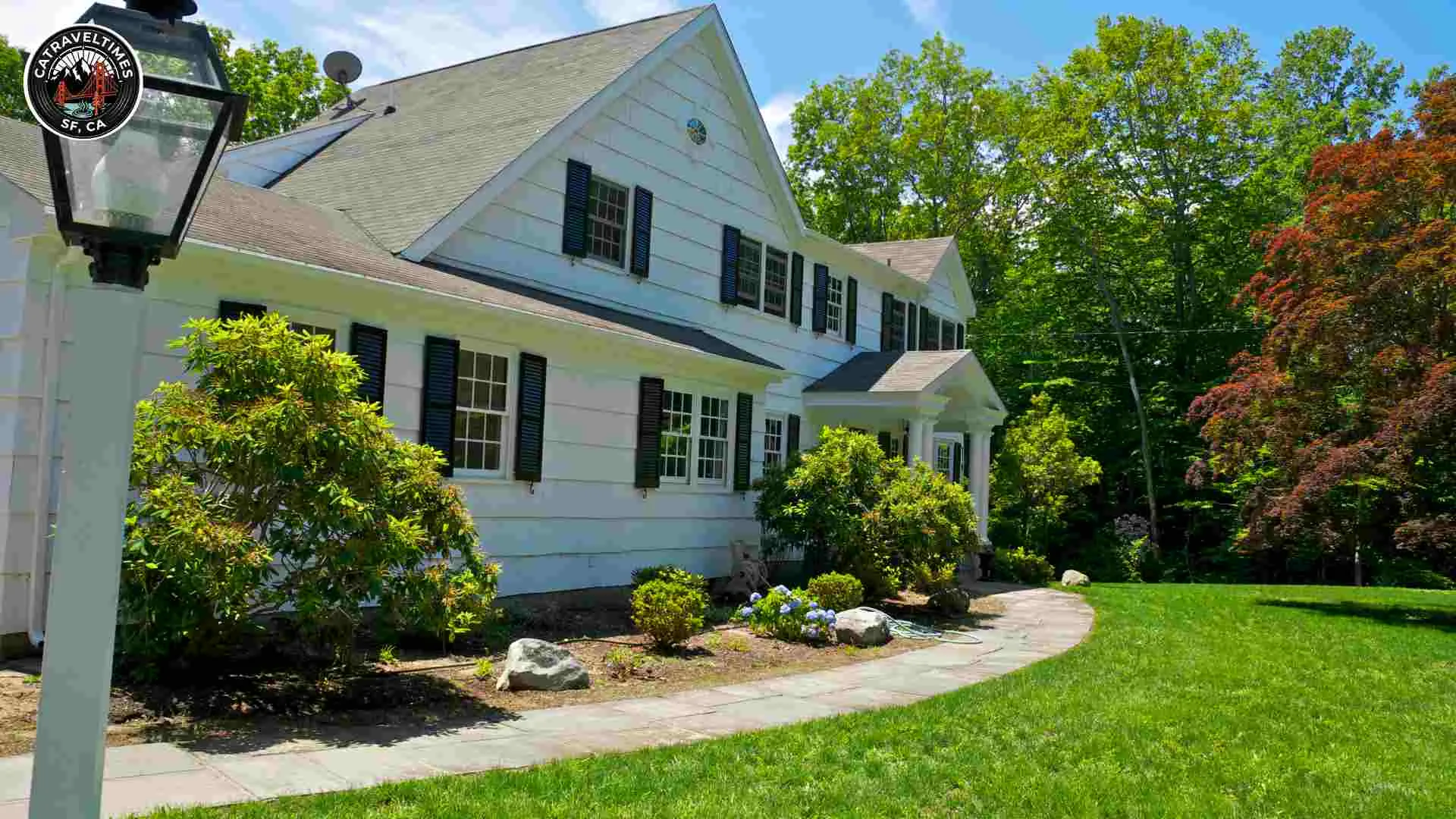
The exterior of a home is its first line of defense against both moisture and pests, and it needs regular attention to hold up in a subtropical climate. Small gaps around utility lines, foundation cracks, and worn weatherstripping give insects and rodents easy access, while damaged window and door screens let them in even faster.
A short seasonal checklist covers most of what matters:
• Inspect and reseal gaps around pipes, vents, cables, and the foundation line
• Repair or replace torn window and door screens
• Trim shrubs, trees, and mulch beds so they do not touch exterior walls
• Clear leaf litter and organic debris away from the foundation
• Eliminate standing water in gutters, planters, birdbaths, and low-lying yard areas
Vegetation that presses against siding traps moisture against the exterior and gives pests a direct bridge onto the structure. Local pest management professionals who specialize in pest control often point to overgrown landscaping and standing water as two of the most common triggers for service calls, particularly after heavy summer rains when both conditions tend to appear at once.
Why Moisture and Neglect Attract Pests
Termites, ants, cockroaches, and rodents all share a basic requirement: access to moisture. Subterranean termites, for example, need consistent contact with damp soil or wood to survive, which is why professionals almost always trace an infestation back to a moisture source rather than the insects alone. The table below summarizes how common moisture issues connect to pest activity and the maintenance response that addresses each one.
| Moisture Source | Pests Commonly Attracted | Property Risk | Maintenance Response |
| Clogged gutters / poor drainage | Ants, mosquitoes, termites | Foundation erosion, wood rot | Clean gutters, extend downspouts, grade soil away from foundation |
| Slow plumbing leaks | Cockroaches, termites, silverfish | Drywall and subfloor damage | Inspect fittings twice yearly, repair leaks promptly |
| High indoor humidity | Dust mites, mold-associated pests | Mold growth, warped materials | Use exhaust fans, dehumidifiers, and balanced ventilation |
| Vegetation touching siding | Ants, termites, rodents | Moisture trapped against walls | Trim plants back, keep mulch away from the structure |
| Standing water in yard | Mosquitoes, ants | Soil saturation, odor | Remove containers, level low spots, clear debris |
Addressing these root causes tends to be more effective long term than reacting to pest sightings alone, since removing the underlying moisture makes a property far less attractive in the first place.
Protecting Building Materials Over the Long Term
Consistent maintenance does more than deter pests. Wood that stays dry resists rot and warping. Metal fixtures last longer without corrosion. Paint and caulking hold their seal instead of cracking under repeated wet-dry cycles. Roofing materials rated for high-humidity regions still depend on proper attic ventilation to reach their expected lifespan, since trapped heat and moisture accelerate shingle deterioration from underneath.
Homeowners who schedule seasonal inspections of the roof, foundation, plumbing, and exterior walls typically catch minor issues while they are still inexpensive to fix, rather than after they have compounded into structural repairs. A brief walkthrough after major storms is also worth the time, since heavy wind and rain can loosen flashing, shift shingles, or open small gaps that were not there before. Keeping a simple log of what was checked and when makes it easier to spot patterns, such as a gutter that clogs faster than the others or a screen that keeps tearing in the same spot, so repairs can be targeted rather than repeated from scratch each time.
Final Analysis
Warm, humid climates ask more of homeowners than milder regions do, but the underlying principle is simple. Moisture control, steady ventilation, and routine exterior upkeep work together to protect a home’s structure and reduce the conditions that draw pests indoors. None of these habits require major renovation, just regular attention throughout the year. Homeowners who stay ahead of leaks, drainage issues, and exterior wear tend to spend far less on repairs and pest management over time, and they end up with a home that holds up better against the climate it was built in.