
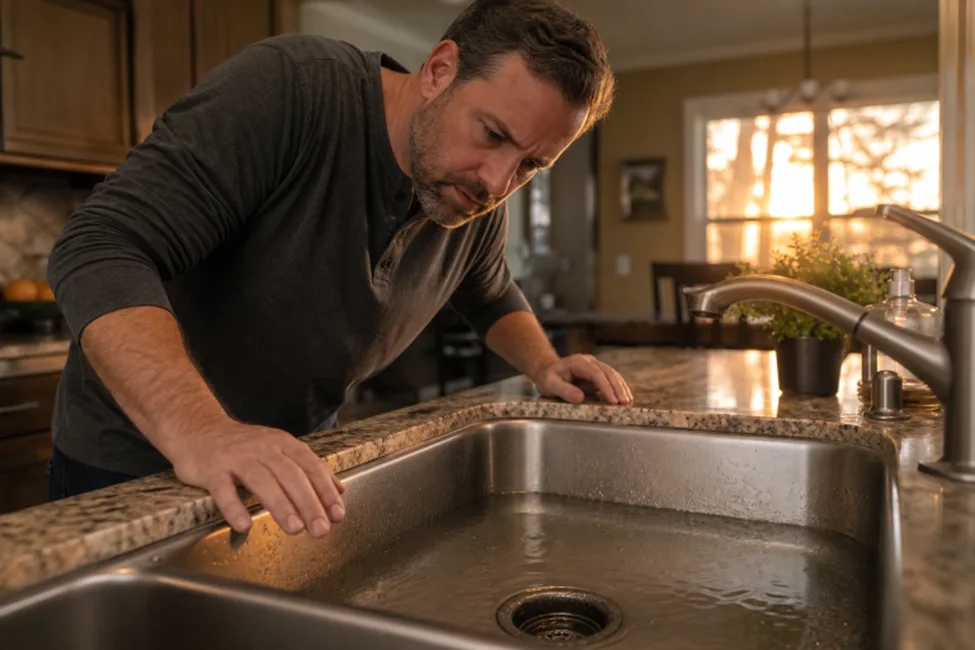
A sewer problem rarely begins with a dramatic flood. More often, it starts with a sink that takes longer to empty, a toilet that bubbles unexpectedly, or an odor that comes and goes. Paying attention to those small changes can help homeowners prevent a larger, more disruptive backup.
If the symptoms seem to involve more than one fixture, searching for a qualified sewer and drain plumber near me can be a sensible next step. Early diagnosis may protect flooring, walls, belongings, and the parts of a drainage system that are difficult to reach once a blockage worsens.
Why Early Signs Matter
Drains rely on open, steady pathways. When buildup, roots, pipe damage, or excess water narrows that pathway, the first sign may be slower flow. One slow bathroom sink can be a local issue, but a slow sink, gurgling toilet, and tub backup together may point farther down the system. Acting early can reduce water damage, cleanup costs, and the risk of wastewater reaching finished living areas.
Warning Signs To Watch For
Watch for patterns rather than judging one symptom by itself. Common warning signs include:
- Water that drains more slowly than usual from a sink, shower, or tub.
- Toilets that gurgle, bubble, refill strangely, or rise when another fixture runs.
- Repeated clogs in the same fixture after plunging or cleaning.
- Persistent unpleasant smells near indoor drains or an outdoor cleanout.
- Water is backing up into a tub, floor drain, shower, or basement sink.
- Several fixtures are acting up at the same time.
- Wet soil, standing water, sewage odors, or unusually green grass near the sewer route.
One Drain Vs. A Main Sewer Line
The location and number of affected fixtures help narrow down the problem. Use these comparisons as a practical guide:
- One sink drains slowly: The issue may be in the trap or the nearby branch line. Remove visible debris if it is safe, then monitor the drain.
- Several fixtures drain slowly: A shared branch line or main sewer line may be restricted. Limit water use and arrange an inspection.
- Toilet water rises when a sink, shower, or washer runs, suggesting a deeper drainage restriction. Stop testing the system by running more water.
- A basement floor drain backs up: Treat it as an urgent warning. Low fixtures often show a sewer backup first.
Common Causes Of Sewer And Drain Trouble
Every day material is a frequent cause. Grease, food scraps, hair, soap residue, wipes, paper towels, and other items that do not break down well can gradually restrict a pipe. Underground lines may also develop problems due to tree roots, corrosion, mineral scale, shifting soil, joint separation, or cracked or collapsed sections.
Heavy rain can worsen a partially restricted system, especially where stormwater enters sanitary lines through improper connections. The ways sewer backups can enter a home during heavy rain also show why downspouts, footing drains, and sump discharge should be managed correctly. Responsibility may differ for indoor plumbing, a private sewer lateral, and the public main, so check with the local utility before assuming who handles the repair.
Safe Home Checks To Try First
- Determine whether one fixture or multiple fixtures are affected.
- Stop using water if more than one drain is backing up or a toilet reacts to another fixture.
- Check a visible sink or tub stopper for hair and debris, and inspect an accessible trap only if it can be done safely.
- Locate the sewer cleanout if it is accessible, but do not force a stuck, damaged, or pressurized cap.
- Write down when the issue started, what fixtures are involved, and whether rain seems connected to the problem.
- Photograph visible water, stains, or unusual yard conditions for insurance or repair records.
Do not enter a sewer tank, handle wastewater without appropriate protection, or use electrical equipment near standing water. Avoid repeatedly pouring chemical cleaners down a drain, as they may not clear a deeper blockage and can complicate later repair work.
When To Stop DIY Work
Professional help is appropriate when more than one fixture backs up, wastewater appears on the floor, plunging provides only brief relief, or the same clog recurs. Also, stop DIY work if sewage odors remain after cleaning, water is near outlets or appliances, or the yard has sinkholes, wet patches, or strong sewer smells. A camera inspection can identify roots, offsets, cracks, buildup, or collapsed pipe sections without unnecessary digging.
What To Do During A Sewer Backup
- Stop using sinks, toilets, showers, washing machines, and dishwashers.
- Keep children and pets away from the affected area.
- Avoid contact with sewage and porous belongings that have been contaminated.
- Turn off the power only if you can do so from a dry, safe location.
- Contact the local sewer authority if a public main issue may be involved.
- Call a qualified professional to locate and clear the blockage.
- Document damage before cleanup when it is safe to do so.
The health risks of standing water, sewage, mold, and electrical hazards are important to take seriously during cleanup. When contamination is extensive, professional remediation may be the safer choice.
A Simple Prevention Plan
Monthly Habits
- Keep grease, oils, wipes, paper towels, coffee grounds, and harsh waste out of drains.
- Clean hair from shower screens, stoppers, and sink strainers.
- Notice changes in drainage speed, sounds, and odors before they become routine.
Seasonal Checks
- Inspect basement drains and the cleanout area before periods of heavy rain.
- Check outdoor areas for soggy soil, unusual odors, or settling ground.
- Make sure gutters and downspouts direct water away from the foundation.
Long-Term Planning
- Keep records of past clogs, repairs, and inspections.
- Ask about a camera inspection when blockages return.
- Review sewer-backup coverage with an insurance agent.
- Consider a backwater valve or other protection when local conditions support it.
Common Homeowner Questions
Is A Slow Drain Always Serious?
No. A single slow drain may have a local blockage, but recurring symptoms or trouble spreading to other fixtures deserve prompt attention.
Why Are Several Drains Backing Up At Once?
Multiple affected fixtures often indicate a shared branch line or main sewer restriction rather than a small clog in one sink.
Are Chemical Drain Cleaners A Long-Term Fix?
Usually not. They cannot repair roots, pipe damage, heavy scale, or recurring buildup, and may create additional safety concerns.
Who Handles A Sewer Backup?
It depends on where the blockage is located. Contact the local utility and a qualified plumbing professional when the source is unclear.
Final Takeaway
Sewer and drain systems often give warning signs before a major failure. Notice changes in flow, sound, smell, and backup patterns, reduce water use when symptoms spread, and seek a timely diagnosis. A calm response and consistent prevention habits can turn a stressful plumbing issue into a manageable repair.