Living in New Orleans comes with its own set of moisture-related challenges. Because the city is surrounded by water and receives frequent rainfall, homeowners must be vigilant about spotting and preventing water damage. If ignored, even a small amount of excess moisture can quickly escalate into a major problem that compromises your family’s safety and comfort. When moisture leads to mold issues, contacting professionals who handle mold removal and remediation New Orleans is key to controlling health risks and preventing structural damage.
The region’s high humidity intensifies the struggle with moisture; it is not only a result of flooded streets or a leaky roof. Heat, air conditioning, and daily indoor activities like cooking and showering all add to the issue. Knowing how to spot trouble and act quickly can save you frustration, money, and even protect your health in the long run.
Houses in New Orleans need tailored care compared to homes in drier parts of the country. Its efforts to limit moisture must begin, not just something to do after a bad storm. This approach makes your property safer and more comfortable year-round.
Moisture problems also affect nearby areas. For example, owners in Kenner face similar challenges. Fast and reliable mold removal and remediation Kenner services are available for residents looking to restore the safety of their homes.
Causes of Excess Moisture
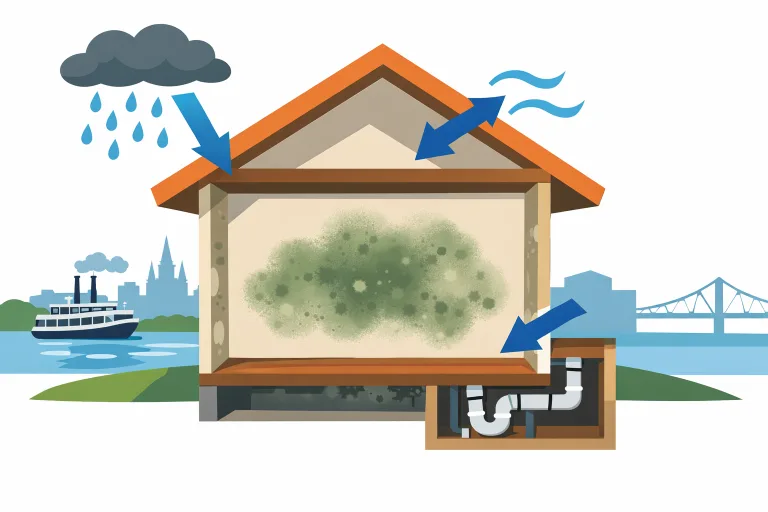
The unique climate and geography of New Orleans are major factors in the persistent moisture homes here experience. The city’s location below sea level and proximity to the Mississippi River and Lake Pontchartrain bring constant risks of flooding and water intrusion. When heavy rains hit, water can seep through foundations, basements, and crawl spaces faster than you might expect.
Often, high humidity alone is enough to cause trouble, even without storms. Moisture seeps in through poorly sealed windows, doors, or roofs. Broken pipes, aging plumbing, and overflowing gutters also contribute. Over time, this water can build up where you might not notice it; inside walls, under floors, and in your attic – giving mold and bacteria the perfect conditions to flourish.
Structural Impacts
Continuous moisture exposure can weaken the very materials that make up your home. Wood is especially at risk. Wet wooden beams or flooring will rot, warp, and lose their strength. Drywall can crumble or become discolored and stained, making repairs even more expensive. Water can also damage paint and wallpaper, warp window frames, and allow pests to enter, making your home less energy-efficient.
Even foundations are at risk. Water that collects near or under the base of your home can cause cracks and shifts in the foundation. Fixing this kind of damage is costly, and if ignored, could make your home unsafe to live in. According to the U.S. Environmental Protection Agency, homes that are not properly maintained are at a much higher risk of structural damage due to excess moisture.
Health Risks Associated with Mold
Where there is moisture, mold is never far behind. Household molds like black mold produce spores that can float through the air and enter your lungs, causing allergic reactions, asthma attacks, and other respiratory issues. People with allergies, children, and seniors are especially vulnerable. In the worst cases, some molds produce toxins that trigger serious illness.
Long-term exposure not only causes physical problems but also affects your mental well-being. Headaches, fatigue, and difficulty concentrating have all been linked to living in damp, moldy spaces. The Centers for Disease Control and Prevention stresses rapid intervention to keep your home safe and your family healthy.
Economic Consequences
Moisture-related repairs can become a heavy financial burden for homeowners. Fixing water damage, repainting, or replacing flooring often costs far more than regular maintenance would. Mold remediation is even more expensive if left unchecked.
Too much moisture, and the damage it causes, can also lower the value of your property. It can make your house harder to sell and may result in higher insurance rates. In many cases, insurance companies might deny coverage if they think you have not done enough to keep your home dry.
Preventive Measures
Fortunately, good habits can reduce the risk and impact of moisture problems. Simple steps like making sure your yard drains away from your house and using dehumidifiers in high-humidity rooms can make a big difference. Check your roof for leaks each season, fix broken gutters, and keep windows and doors well-sealed.
Regular plumbing inspections will help you spot hidden leaks. Consider using moisture barriers in crawl spaces and attics if you live in especially wet neighborhoods. Staying up to date with these efforts is much easier than paying for repairs later.
Importance of Professional Assessment
Sometimes, moisture and mold problems hide in places the average person cannot find. That is why having regular checks by qualified professionals is so important. Experts use tools to measure moisture in walls and floors, spot the signs of trouble, and offer solutions that fit your house and budget.
Professional mold remediation teams also help ensure safe and thorough removal of harmful spores, keeping your air safe to breathe long after the original issue is addressed.
Community Resources and Support
Homeowners in New Orleans are not alone in their fight against excess moisture. There are local and federal programs that can offer advice, funding, or even hands-on help if your house needs repairs. Check the websites of local city governments, the Louisiana State Office of Public Health, and national agencies for the latest support programs and safety tips.
With the right knowledge and actions, you can keep your New Orleans home strong, safe, and comfortable, even in the face of challenging weather and high humidity.