Plumbing problems rarely wait for a convenient moment. A dripping pipe at midnight or a clogged drain before school can turn a normal day into a scramble. If you’re dealing with leaks, backups, or strange noises, you need a clear plan instead of panic. This guide walks you through what matters most, from spotting early warning signs to knowing when a fix is beyond your toolbox and better left to a pro.
Call a Professional Before Damage Multiplies
When the issue involves flooding, sewage, broken pipes, or major fixture failure, professional help is the smarter move. Good plumbers don’t just patch the visible problem. They look at pressure, drainage, venting, pipe condition, and code compliance.
If the situation is time-sensitive, calling for emergency plumbing repair can help you stop damage early and restore normal use faster. That can be critical when a leak threatens cabinets, drywall, or flooring.
A trained plumber may use tools like moisture meters, drain cameras, pressure gauges, and leak detection equipment. That matters because plumbing systems are connected in ways that aren’t always obvious. A clogged branch line can affect several fixtures. A cracked pipe in one area can cause stains in another. Guesswork gets expensive fast.
Know the Difference Between Annoying and Urgent
Not every plumbing issue is an all-hands-on-deck situation, but some deserve immediate action. A slow drain is frustrating. A burst pipe is a small disaster with excellent timing, if by excellent you mean terrible.
Pay attention to signs that point to a true emergency:
– Water pooling under sinks or near walls
– Sudden drops in water pressure
– Toilets backing up repeatedly
– Sewage smells inside the house
– No hot water when your heater should be working
– Pipes making banging or whistling sounds
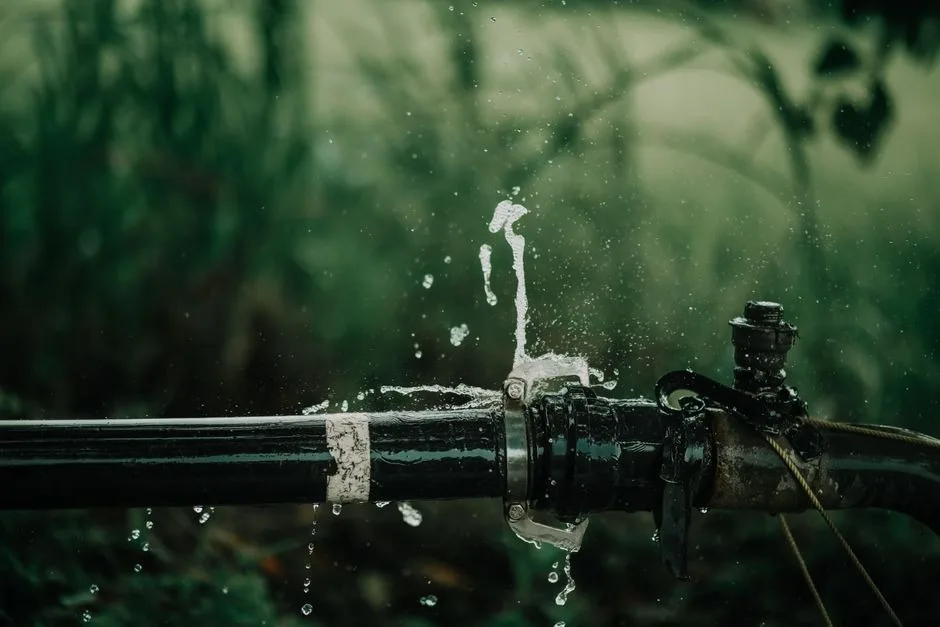
If water is actively leaking, shut off the nearest valve first. If you can’t find it or the leak is spreading fast, turn off the home’s main water supply. Quick action can save flooring, drywall, furniture, and a surprising amount of money.
Start With the Main Shutoff and a Basic Safety Check
Before you touch anything else, find your main water shutoff valve. If you don’t know where it is, now is the time to learn, not during a mini indoor flood. It’s often located near the water meter, in a basement, garage, or outside wall box.
Once the water is off, do a fast safety check:
– Keep clear of standing water near electrical outlets
– Turn off electricity in affected areas if needed
– Move rugs, boxes, or electronics away from leaks
– Take photos of the damage for insurance records
This step is practical, not dramatic. Water damage spreads fast and keeps working behind the scenes, soaking subfloors and creeping into wall cavities. Even a small leak can create mold issues if it sits too long. The smartest move is controlling the situation before it starts running the show.
Watch for Hidden Clues Behind Walls and Floors
Some of the worst plumbing issues stay out of sight until the repair bill gets rude. A visible drip is easy to spot. A slow leak behind drywall can go unnoticed for weeks while it damages framing, insulation, and paint.
Look for these less obvious signs:
– Bubbling paint or warped baseboards
– Water stains on ceilings
– Musty smells that won’t go away
– Unexplained spikes in your water bill
– Warm spots on floors, especially over slab foundations
These clues often point to pipe leaks, failing seals, or drainage problems. Don’t assume a stain is old just because it looks dry. Plumbing issues tend to return like they pay rent. If you notice a pattern, track when it happens and where. That information helps narrow down the source much faster.
Know Which Fixes You Can Handle Yourself
You don’t need to call a plumber for every minor issue. Some problems are manageable if you have the right tools and a little patience. The key is knowing where DIY ends and costly mistakes begin.
Reasonable DIY tasks include:
– Tightening a loose supply line under a sink
– Using a plunger on a basic toilet clog
– Cleaning hair from a shower drain
– Replacing a worn faucet aerator
– Resetting a garbage disposal
Use caution with chemical drain cleaners. They can damage older pipes and create a bigger mess if a plumber later has to open the line. Skip the heroic wrenching if fittings are corroded or stuck. If a repair involves cutting pipe, opening walls, or diagnosing hidden leaks, you’re moving into professional territory pretty quickly.
Ask Smart Questions Before Work Begins
You don’t need to know plumbing code to ask useful questions. A good contractor should explain the issue clearly, outline the next steps, and give you a realistic picture of cost, timing, and disruption.
Ask things like:
– What’s causing the problem?
– Is this a repair or a temporary fix?
– Are there signs of additional damage?
– Will parts of the wall, floor, or ceiling need to be opened?
– What can I do right now to prevent it from getting worse?
Clear communication matters, especially during urgent repairs. If the explanation feels vague or rushed, ask for specifics. You’re not being difficult. You’re protecting your home. The best service calls leave you with both a working system and a better understanding of what failed in the first place.
Prevent Future Plumbing Emergencies With Simple Habits
A lot of major plumbing trouble starts with small habits repeated over time. Grease down the kitchen sink, wipes flushed into toilets, and ignored drips can quietly build toward a bigger failure.
A few prevention moves go a long way:
– Don’t flush wipes, even if the label acts confident
– Avoid pouring oil or grease into drains
– Insulate exposed pipes before winter
– Check under sinks every month for moisture
– Replace old hoses on washing machines and dishwashers
– Know the age of your water heater
It also helps to schedule routine inspections if your home is older. Pipes, valves, and seals wear out gradually. Catching early corrosion or pressure issues can spare you from a repair that starts at 2 a.m. and ends with fans drying your hallway for three days.
Keep a Home Plumbing Game Plan Ready
When plumbing fails, speed matters, but so does having a plan. You’ll make better decisions if you already know where your shutoff valve is, which fixtures have had past issues, and who to call when things escalate.
Create a simple plumbing checklist for your home:
– Main water shutoff location
– Water heater shutoff steps
– Contact number for a trusted plumber
– Dates of past repairs
– Photos of problem areas if they return
That may sound a little extra, but it’s the useful kind of extra. Plumbing systems aren’t glamorous, yet they affect your daily routine more than almost anything else in the house. When they fail, the disruption is immediate. A little preparation keeps a bad situation from turning into a full-blown renovation story you never wanted to tell.
If you stay alert to warning signs, act quickly, and bring in help when the job calls for it, you’ll protect your home and avoid a lot of preventable damage.