Your Sub-Zero refrigerator is more than just an appliance; it’s a significant investment in your home. These luxury units are designed for superior food preservation and long-term reliability. When performance issues arise, a standard repair approach often falls short.
Their unique engineering, featuring sophisticated dual cooling systems and advanced controls, demands specialized expertise. To maintain these complex appliances and ensure their longevity, seeking expert repair maintenance and retrofits is essential.
We will delve into the intricate architecture of Sub-Zero refrigeration. We will explore why their advanced systems require a dedicated repair specialist. We will also discuss the precision diagnostics, specialized parts, and environmental compliance involved in their proper upkeep. Our goal is to help you understand the critical need for specialized care to protect your investment.
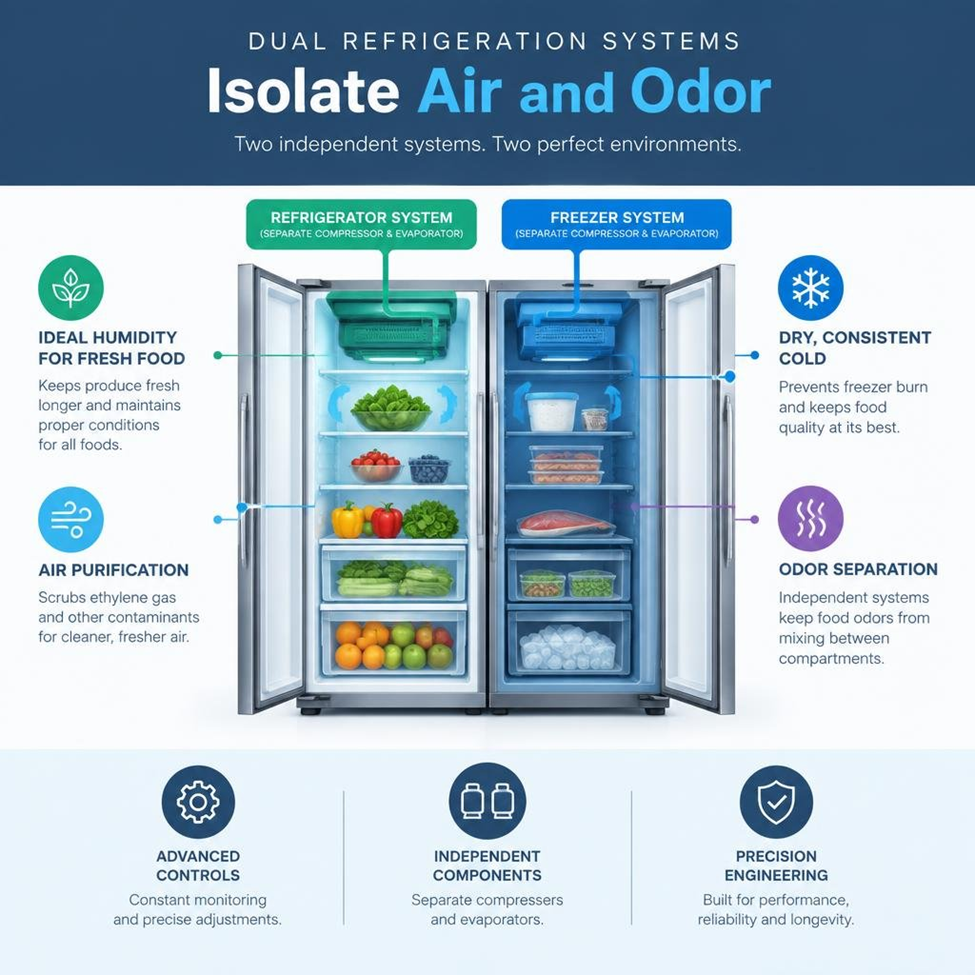
Sub-Zero appliances stand apart from conventional refrigerators due to their meticulous engineering and commitment to food preservation. At the core of their design is a sophisticated architecture that prioritizes precise temperature and humidity control, odor separation, and energy efficiency. Unlike many standard residential units that often rely on a single cooling system for both fresh food and freezer compartments, Sub-Zero utilizes independent, dual refrigeration systems. This fundamental difference is critical to understanding why specialized repair is not merely a preference, but a necessity.
This dual-system approach involves separate compressors and evaporators for the refrigerator and freezer sections. This separation ensures that each compartment maintains its ideal climate without compromise. For instance, the refrigerator section benefits from higher humidity levels to keep produce fresh longer, while the freezer maintains a dry, consistent cold to prevent freezer burn. Advanced air purification systems, often featuring antimicrobial components, further enhance food preservation by scrubbing the air of ethylene gas and other contaminants. Microprocessor controls act as the brain of these units, constantly monitoring conditions and making micro-adjustments to maintain optimal performance. This level of sophistication means that troubleshooting and repair require an in-depth understanding of sealed systems, refrigerant dynamics, and intricate electronic controls, far beyond the scope of a general appliance technician.
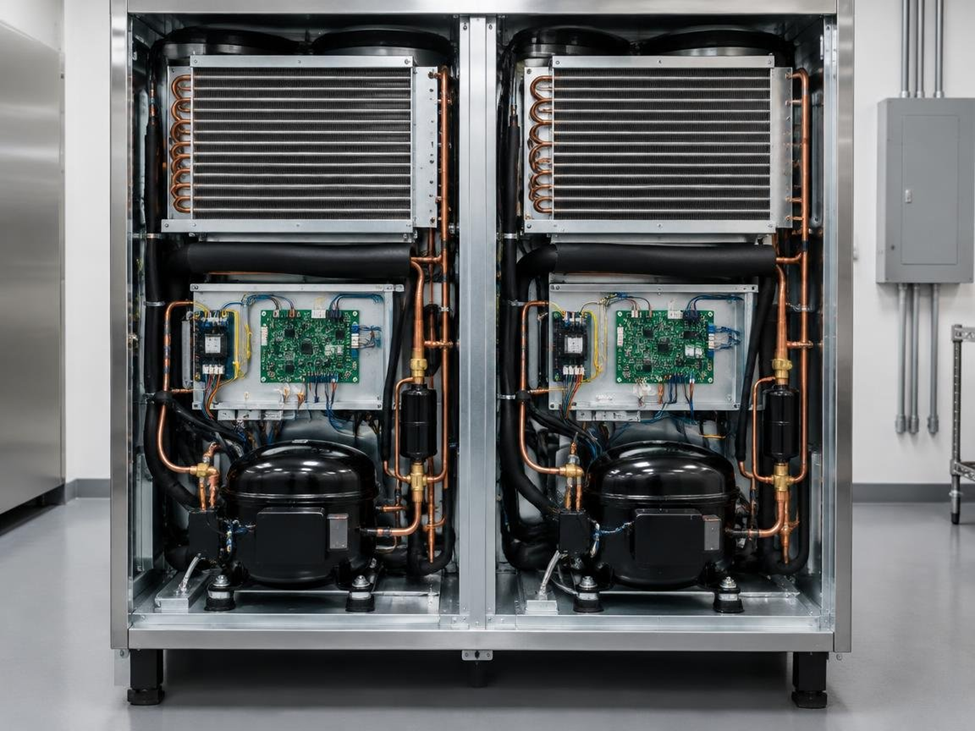
To illustrate the distinction, consider the following comparison:
Feature Dual-Compressor System (e.g., Sub-Zero) Standard Residential Unit Cooling Zones Independent for refrigerator and freezer Shared cooling for both compartments Compressor Count Two (one for fridge, one for freezer) Typically one Evaporator Count Two (dedicated for fridge, dedicated for freezer) One (shared or sometimes two with a single compressor) Airflow Separate, preventing air exchange between compartments Circulated between fridge and freezer Humidity Control Optimized for each zone (higher in fridge, lower in freezer) Less precise, often a compromise for both zones Odor Transfer Minimized due to isolated airflows Common, odors can transfer from fridge to freezer Food Preservation Extended freshness, reduced freezer burn Standard preservation, quicker spoilage for some items Longevity Designed for 20+ years with proper maintenance Typically 10-15 years Independent Dual-Cooling Cycles
The cornerstone of Sub-Zero’s superior performance lies in its independent dual-cooling cycles. This system employs two distinct, hermetically sealed refrigeration circuits, each with its own compressor and evaporator coil. The refrigerator compartment operates on one cycle, maintaining a precisely controlled humid environment ideal for fresh produce, meats, and dairy. This high-humidity environment is crucial for moisture retention, preventing dehydration and extending the shelf life of delicate foods. Without the dry air from the freezer circulating into the fresh food section, your greens stay crisp and your cheeses remain supple.
Simultaneously, the freezer compartment utilizes a separate, drier, and colder cooling cycle. This dedicated system ensures consistent sub-zero temperatures, which are essential for preventing freezer burn. Freezer burn occurs when moisture is drawn out of food by circulating dry air, leading to ice crystal formation and degraded texture and flavor. By isolating the freezer’s airflow, Sub-Zero minimizes this effect, preserving the quality of frozen goods for longer. The management of these independent airflow paths and evaporator coils is a complex dance orchestrated by the appliance’s control systems. Any disruption in one cycle, such as a blocked evaporator or a fan malfunction, can affect the temperature stability of that specific compartment without necessarily impacting the other, making accurate diagnosis paramount.
Advanced Microprocessor Controls and Sensors
Beyond the mechanical marvel of dual compressors, Sub-Zero appliances integrate advanced microprocessor controls and an array of sophisticated sensors to achieve unparalleled temperature stability and efficiency. These electronic brains constantly monitor various parameters, including internal temperatures, door openings, and ambient conditions, making real-time adjustments to optimize performance. Thermistor calibration is critical here; these precision temperature sensors provide highly accurate readings, allowing the control board to maintain temperatures within a fraction of a degree.
The digital interfaces found on these units are not just for display; they provide crucial diagnostic feedback and allow users to fine-tune settings. Behind the scenes, adaptive defrost systems intelligently cycle the defrost heater only when necessary, based on usage patterns and frost buildup, rather than on a rigid timer. This not only improves energy efficiency but also minimizes temperature fluctuations within the freezer. The precise cycle timing of the compressors and fans is carefully managed to ensure uniform cooling and quiet operation. When issues arise, these advanced systems generate specific error codes, which, when properly interpreted by a trained specialist, can pinpoint the exact component or system fault. Understanding these intricate electronic interactions and being able to accurately diagnose issues from sensor data is a hallmark of specialized Sub-Zero repair.
Technical Complexities That Require Specialist Sub-Zero Refrigeration Repair
The robust construction and specialized components of Sub-Zero units mean that their repair often goes beyond simply swapping out a part. We are talking about sealed systems, which are the very heart of the refrigeration process. These systems contain refrigerants and oils under pressure, and any breach requires highly specialized techniques. Servicing a sealed system involves a meticulous process of recovery, leak detection, brazing, nitrogen flushing, vacuum decay testing, and precise refrigerant charging. These are skills typically found in HVACR (Heating, Ventilation, Air Conditioning, and Refrigeration) technicians, not general appliance repair personnel. The integrity of these components is paramount; a small leak or improper repair can lead to complete system failure and significant environmental impact.
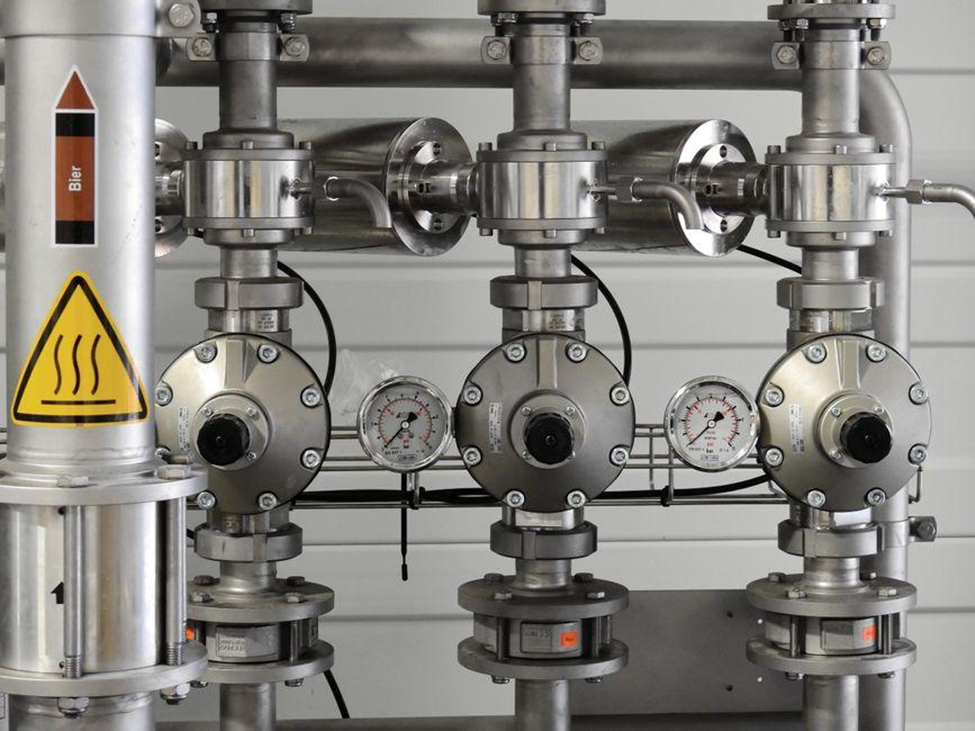
The components within these sealed systems, such as compressors, evaporators, and condensers, are designed for extreme durability and efficiency. When one of these components fails, it’s not a simple plug-and-play replacement. It often requires specialized tools and expertise to access, remove, and install the new part without compromising the entire system. For example, replacing a compressor involves cutting and re-brazing copper lines, a process that demands precision and specialized equipment to prevent contamination and ensure a perfect seal. This level of technical complexity underscores why a specialist is indispensable for maintaining the integrity and performance of your high-end appliance.
Critical Diagnostics in Sub-Zero Refrigeration Repair
Accurate diagnosis is perhaps the most critical step in Sub-Zero refrigeration repair, particularly given the potential for costly misdiagnosis. A common scenario, for instance, is a warm refrigerator compartment with a cold freezer. While a general technician might immediately suspect a compressor issue, a Sub-Zero specialist understands that in a dual-compressor unit, the problem is more likely localized to the refrigerator’s specific cooling circuit. This could involve a faulty refrigerator evaporator fan, a clogged defrost drain, a malfunctioning defrost heater, a defective defrost thermostat, or a miscalibrated thermistor.
Specialists employ a systematic approach to critical diagnostics. They use advanced multimeters to verify electrical continuity and resistance in components like thermistors and heaters. They understand the specific operational parameters of Sub-Zero compressors and can perform precise compressor diagnostics to determine if the unit is running efficiently or failing. They are trained to interpret complex error codes generated by the advanced microprocessor controls, which often point directly to the failing component. This meticulous process helps prevent the most expensive misdiagnosis, such as replacing a perfectly functional compressor when the real issue lies with a much simpler, less costly defrost system component. Without this specialized diagnostic capability, homeowners risk unnecessary repairs, prolonged downtime, and significant expense.
Precision Tooling and Parts for Sub-Zero Refrigeration Repair
The sophisticated nature of Sub-Zero appliances necessitates not only specialized knowledge but also precision tooling and access to genuine OEM (Original Equipment Manufacturer) components. General appliance repair tools are often insufficient for the intricate tasks involved in servicing these high-end units. For example, specific manifold gauges are required for accurate pressure readings in sealed systems, and specialized vacuum pumps are essential for evacuating air and moisture to precise micron levels before recharging refrigerant.
Furthermore, Sub-Zero units are built to exacting factory specifications, and using anything less than OEM parts can compromise performance, efficiency, and longevity. Variable-speed fans, for instance, are precisely engineered to move air efficiently and quietly; a generic replacement might not integrate correctly with the control board or could lead to increased noise and reduced cooling. Gasket alignment is another detail that requires precision; a poorly seated door gasket can lead to air leaks, increased energy consumption, and frost buildup. Even small components like thermal fuses are critical safety devices that must meet specific factory standards. A specialist will arrive with a comprehensive toolkit tailored for Sub-Zero repairs and a supply of common OEM parts, ensuring that repairs are performed correctly the first time and that your appliance continues to operate as intended.
Here are some specialized diagnostic tools crucial for sealed refrigeration systems:
- Digital Manifold Gauges: For precise measurement of refrigerant pressures in both high and low-pressure sides.
- Refrigerant Recovery Machine: Essential for safely and legally removing refrigerant from a sealed system.
- High-Vacuum Pump: To evacuate the system to specific micron levels, removing all non-condensable gases and moisture.
- Electronic Leak Detector: Highly sensitive tools to pinpoint even minute refrigerant leaks.
- Multimeter with Capacitance and Temperature Functions: For testing electrical components, thermistors, and capacitors.
- Brazing Torch and Equipment: For welding copper lines during sealed system repairs.
- Nitrogen Tank and Regulator: For flushing systems and leak testing.
- Temperature Probes: To accurately measure internal temperatures in various compartments.
- Specialized Wrenches and Fastener Drivers: For accessing unique Sub-Zero fasteners.
Environmental Regulations and Modern Refrigerant Handling
The repair of refrigeration systems, especially high-end units like Sub-Zero, is not just a technical endeavor; it’s also governed by strict environmental regulations. Modern refrigerants, such as isobutane (R600a) systems, are increasingly common due to their lower environmental impact compared to older hydrofluorocarbons (HFCs) like R134a. However, R600a is a flammable hydrocarbon, requiring specialized handling procedures and safety precautions that general technicians may not be equipped for. The transition away from R134a and other refrigerants with high global warming potential (GWP) is ongoing, driven by international agreements and national EPA compliance standards.
Any technician working on a sealed refrigeration system must be certified under EPA Section 608 to legally handle and manage refrigerants. This certification ensures they understand proper recovery equipment usage, leak detection methods, and safe charging practices to prevent harmful emissions into the atmosphere. Improper handling of refrigerants can lead to significant environmental damage and carries hefty fines. A specialist in Sub-Zero refrigeration will not only possess these certifications but also have the specific recovery equipment and expertise to work with the unique characteristics of each refrigerant type, including the flammability standards associated with R600a. This commitment to environmental responsibility and adherence to regulations is a non-negotiable aspect of professional refrigeration service. For comprehensive information on how such systems are managed, including expert repair, maintenance, and retrofits, it is always best to consult with certified professionals.
Sealed System Servicing Standards
Servicing a sealed refrigeration system, particularly in a high-end appliance like a Sub-Zero, adheres to rigorous industry standards to ensure safety, efficiency, and longevity. The process begins with meticulous leak detection. Technicians employ a range of tools, from ultrasonic testing devices that detect the sound of escaping gas to electronic sniffers that can identify minuscule traces of refrigerant. Pinpointing the exact location of a leak is paramount, as even the smallest breach can lead to system failure.
Once a leak is identified and repaired, the system undergoes an evacuation protocol. This involves using a high-vacuum pump to remove all air and moisture from the system, measured precisely by micron gauges. Achieving a deep vacuum is critical, as moisture can freeze and block capillary tubes, and non-condensable gases can increase head pressure, reducing efficiency. After evacuation, the system is recharged with the exact amount and type of refrigerant specified by the manufacturer. This precise measurement is crucial for optimal performance, as overcharging or undercharging can lead to poor cooling, increased energy consumption, or compressor damage. These exacting standards differentiate a specialist from a generalist, ensuring your Sub-Zero performs as designed for years to come.
Long-Term Appliance Preservation vs Replacement Economics
Investing in a Sub-Zero refrigerator is a decision made with an expectation of exceptional longevity, often exceeding 20 years with proper maintenance. These appliances are frequently integrated seamlessly into custom kitchen cabinetry, complete with custom paneling, making replacement a far more complex and costly undertaking than simply swapping out a freestanding unit. The economic argument for repair, therefore, becomes compelling. While the initial cost of a specialized repair might seem higher than a general appliance fix, it is a fraction of the total cost of purchasing and installing a new high-end unit, especially when factoring in potential cabinetry modifications.
Beyond the direct financial implications, preserving your existing Sub-Zero contributes to sustainability by reducing landfill waste. Modern high-end units are also designed with energy efficiency in mind, and a properly repaired and maintained appliance will continue to operate efficiently, keeping your utility bills in check. Preventative upkeep, such as regular coil cleaning and door gasket checks, can significantly extend the life of components and prevent major failures. A specialist not only performs the necessary repairs but can also advise on these crucial maintenance practices, ensuring your investment continues to deliver superior food preservation and aesthetic integration for decades. Opting for specialized repair is not just about fixing a problem; it’s about safeguarding a long-term asset and maximizing its value.
Frequently Asked Questions About Sub-Zero Refrigerator Service
When dealing with a high-end appliance like a Sub-Zero, many homeowners have specific questions that go beyond typical refrigerator troubleshooting. Understanding these nuances is key to appreciating the value of specialized service.
Why is the freezer cold but the refrigerator warm in a dual-compressor unit?
This is a classic symptom that often highlights the advantage of a dual-compressor system, but also its unique diagnostic challenges. In a Sub-Zero, if your freezer is maintaining its icy temperatures while the refrigerator section is warm, it almost certainly indicates a problem isolated to the fresh food compartment’s cooling circuit. Unlike single-compressor units where this might suggest a major system failure affecting both, here it points to a specific issue within the refrigerator’s dedicated loop.
Common culprits include a malfunctioning refrigerator evaporator fan, which is responsible for circulating cold air within that compartment. If this fan fails, cold air cannot reach all areas, leading to warm spots. Another frequent issue is a clogged or frozen defrost drain line, which can cause ice buildup on the evaporator coil, blocking airflow. Less commonly, a faulty thermistor (temperature sensor) or a sealed system failure specific to the refrigerator’s compressor or evaporator could be at play. A specialist will methodically test each of these components, leveraging their understanding of the separate cooling cycles to pinpoint the precise fault without misdiagnosing a healthy freezer system.
Can older luxury refrigerators be retrofitted with modern cooling components?
The feasibility of retrofitting older luxury refrigerators with modern cooling components largely depends on the specific model, age, and the nature of the desired upgrade. For many Sub-Zero units, which are renowned for their long lifespan, component sourcing for legacy support is often possible. This means that if a compressor or evaporator fails on a 15-year-old unit, an OEM replacement designed for that model is typically available.
However, true “retrofitting” with entirely new technologies, such as converting an R134a system to an R600a system, is generally not practical or advisable. Refrigeration systems are designed as integrated units, and changing refrigerant types would require replacing virtually all sealed system components, including the compressor, evaporator, condenser, and capillary tubes, as these are optimized for specific refrigerants. Control updates, such as upgrading an older mechanical thermostat to a modern digital control board, might be possible in some cases, but often require significant electrical modifications and may not be supported by the manufacturer. Specialists can advise on the most cost-effective and reliable options, focusing on restoring the unit to its original factory specifications using appropriate replacement parts rather than attempting complex, unproven retrofits.
What certifications should a high-end refrigeration technician hold?
When entrusting the repair of your Sub-Zero appliance to a technician, verifying their credentials is paramount. A qualified high-end refrigeration technician should hold several key certifications and licenses, demonstrating their expertise and adherence to industry standards.
Firstly, EPA Section 608 Certification is non-negotiable. This certification is required by law for anyone who works with refrigerants and covers safe handling, recovery, and disposal practices. Without it, a technician cannot legally service sealed systems.
Secondly, a valid HVACR (Heating, Ventilation, Air Conditioning, and Refrigeration) license from their respective state or local jurisdiction is essential. This license signifies comprehensive training and competence in the broader field of refrigeration mechanics, which directly applies to complex appliance systems.
Beyond these foundational requirements, look for factory authorization or specialized training from manufacturers like Sub-Zero. This indicates that the technician has received specific training on the unique design, diagnostics, and repair procedures for these particular brands. This specialized knowledge is crucial for understanding proprietary systems, interpreting specific error codes, and accessing manufacturer-specific technical resources.
Finally, a commitment to safety compliance and ongoing professional development, often evidenced by participation in industry associations or continuous education, ensures the technician remains current with evolving technologies and best practices. These certifications collectively ensure that your technician is not only skilled but also operates safely, legally, and effectively on your valuable appliance.
Conclusion
Your Sub-Zero refrigerator represents a significant investment in quality, performance, and the preservation of your culinary assets. As we’ve explored, its sophisticated engineering, featuring independent dual-cooling cycles and advanced microprocessor controls, sets it apart from conventional appliances. This unique architecture demands a level of specialized expertise that goes far beyond what a general appliance technician can offer.
From the intricate sealed systems requiring precision brazing and refrigerant handling to the critical diagnostics that prevent costly misdiagnosis, every aspect of Sub-Zero repair calls for a dedicated specialist. These professionals possess the necessary factory authorization, EPA certifications, and specialized tooling to ensure repairs are performed correctly, safely, and to the manufacturer’s exacting standards.
Choosing a specialist for your Sub-Zero refrigeration repair is not just about fixing a problem; it’s about safeguarding your investment, ensuring component longevity, optimizing food preservation, and maintaining the overall investment value of your high-end appliance. Their diagnostic accuracy and adherence to environmental regulations mean peace of mind, knowing your appliance is in the most capable hands. When your Sub-Zero needs attention, trust only those who understand its complexities intimately.