Money6x.com Real Estate: A Simple Guide to Property Investing


Real estate can be a useful way to build wealth, but it can also be confusing for beginners. There are many things to understand, including rental income, property values, market trends, and investment risks. Money6x.com Real Estate is an educational resource that covers these topics and helps readers understand basic ideas related to property investing.
As an architect, I look at real estate from more than a financial angle. A property is not simply an asset with a price tag. Its location, condition, design, maintenance needs, and long-term usefulness can all affect its value. At RivonHome, I also believe that understanding how a home works can help people make better decisions about buying, improving, and caring for it.
What Is Money6x.com Real Estate?
Money6x.com Real Estate is part of the Money6x platform that focuses on property and investing topics. The website publishes educational content about real estate, rental properties, appreciation, REITs, and other ways people can build long-term assets.
The platform is mainly designed to share general information. It should not be confused with a real estate broker, licensed financial adviser, or property marketplace. Its content can help readers understand basic concepts, but important investment decisions should always involve independent research.

The official website also states that its content is for informational purposes and should not be treated as personal financial advice. Money6x
What Topics Does Money6x.com Cover?
The real estate content on Money6x.com covers several areas that are important for new and experienced investors. These include rental income, property appreciation, cash flow, market research, REITs, and long-term asset building.
The site can be useful for someone who wants to understand the basic language of property investing. However, learning the terms is only the first step. Before buying any property, you still need to study the actual building, local market, costs, and possible risks.
Rental Properties
Rental property is one of the most common forms of real estate investing. An investor buys a home, apartment, or other property and rents it to tenants. The goal is often to earn regular income while also benefiting from possible growth in property value.
However, rental income is not the same as profit. Owners may need to pay for mortgage costs, insurance, taxes, repairs, maintenance, management, and periods when the property has no tenant. These costs should always be included before deciding whether an investment looks profitable.

Property Appreciation
Property appreciation means that a home’s value increases over time. A strong location, local demand, nearby services, jobs, and future development can all affect property values.
Still, appreciation is never guaranteed. Housing markets can change, and property prices can also fall. A good investment decision should not depend only on the belief that a property will become more valuable in the future.

Cash Flow
Cash flow is the money left after you subtract property expenses from the income it produces. Positive cash flow means the property earns more than its regular costs. Negative cash flow means the costs are higher than the income.
In my view, this is one of the most important numbers to understand. A beautiful property may look attractive, but appearance alone does not make it a good investment. The financial side must also work.

Types of Real Estate Investments
There are several ways to invest in real estate. The right option depends on your budget, experience, available time, and comfort with risk.
Residential Property
Residential real estate includes houses, apartments, condominiums, and other places where people live. Many beginners understand this type of property because they are already familiar with homes and local neighborhoods.
Residential rentals can provide regular income, but they also require maintenance and tenant management. Owners may also face vacancies, repairs, and changing rental demand.
Commercial Property
Commercial real estate includes offices, shops, warehouses, and other business spaces. These investments can work differently from residential properties because the tenants, lease agreements, and operating costs may be more complex.
Commercial properties can sometimes require more experience and a larger investment. Market demand can also change depending on local business conditions.

REITs
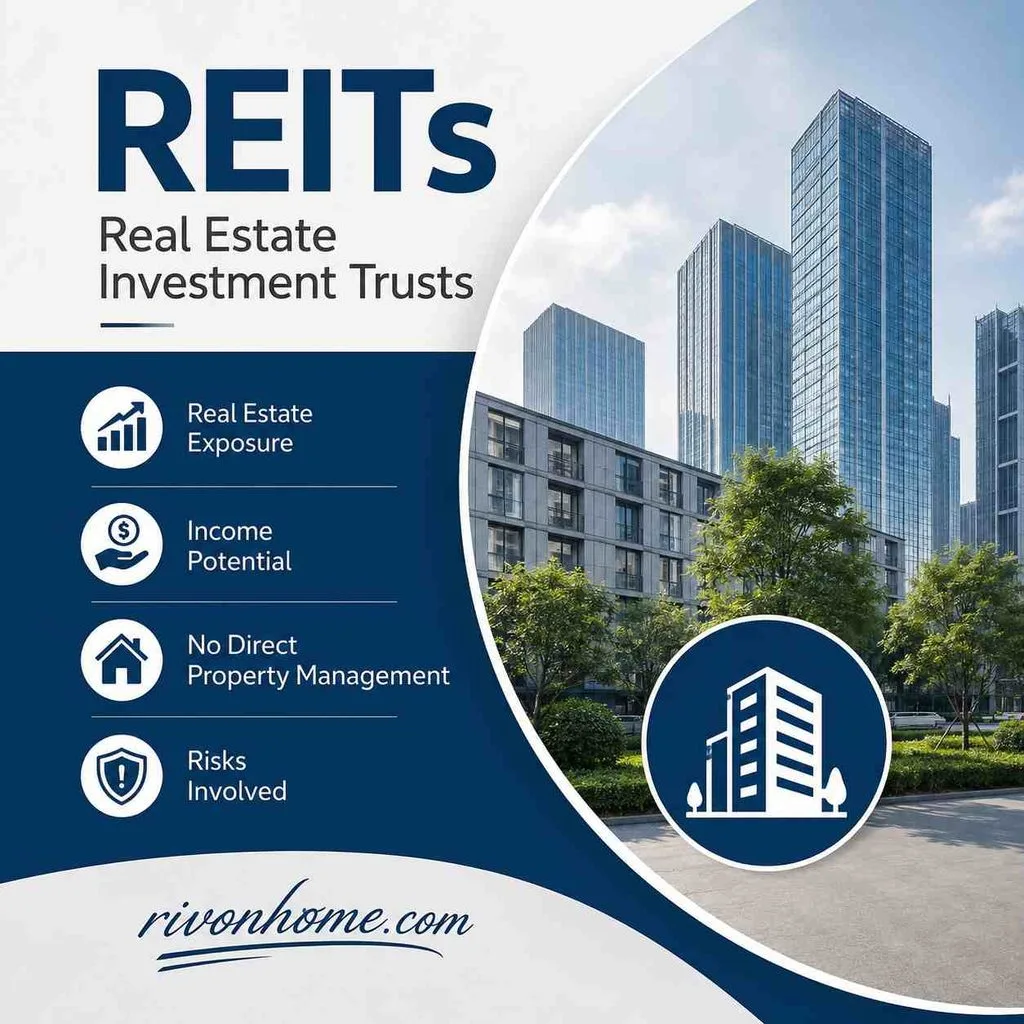
A REIT, or Real Estate Investment Trust, gives investors a way to gain exposure to real estate without directly buying and managing a property. Instead of owning a house or commercial building yourself, you invest in a company or trust connected to income-producing real estate.
REITs may be useful for people who want real estate exposure without handling tenants or repairs. However, they still carry risks, and different REITs can work in different ways. FINRA’s guide to REITs.
How Money6x.com Can Help Beginners
Money6x.com Real Estate can be useful as a starting point for learning about property investing. It introduces readers to common topics such as rental income, appreciation, cash flow, property markets, and long-term investing.
For beginners, understanding these basic terms can make future research easier. However, general articles cannot fully explain whether a specific property is right for your financial situation. Every property, neighborhood, and market can be different.
I recommend using educational websites as one part of your research. You should also review local market data, inspect the property carefully, and speak with qualified professionals when necessary.

How to Research a Property Before Investing
Good research can help you avoid expensive mistakes. Before buying a property, I recommend looking beyond the photos and asking practical questions about the location, condition, costs, and future demand.
Study the Location
The location of a property can be just as important as the building itself. Look at nearby schools, transport, shops, hospitals, workplaces, and future development. These factors can affect both property demand and rental potential.
As an architect, I also pay attention to how people actually use an area. A home may be well designed, but if the location does not meet the needs of future buyers or tenants, its investment potential may be weaker.

Check Rental Demand
Look at similar properties in the same area and compare their rental prices. Try to find out how long homes usually remain vacant and whether there is steady demand from tenants.
Do not rely only on the highest advertised rent. A high asking price is not useful if tenants are difficult to find. It is better to use realistic estimates when calculating possible income.

Inspect the Property Condition
The condition of a property can have a major effect on its true cost. Older homes may need repairs to the roof, plumbing, electrical system, heating, cooling, or structure.
A low purchase price may look attractive at first, but major repairs can quickly increase the total investment. This is why a proper inspection can be very important before buying.

Calculate All Costs
Never focus only on the purchase price. You should also consider financing costs, taxes, insurance, repairs, maintenance, property management, and possible vacancy periods.

It is also wise to keep money aside for unexpected expenses. Buildings do not always follow a perfect plan, and a major repair can appear when you least expect it.
The Role of Design and Property Value
Design can affect how people experience a home and how useful it feels. A bright, practical, and well-planned space may attract more interest than a poorly designed property of the same size.
However, expensive decoration does not always create equal value. I always recommend focusing first on layout, function, maintenance, and quality. After that, thoughtful design improvements can make a property more attractive.
For more ideas about improving the look and function of a home, you can explore our Home Decor section. Good design should support the way people actually live, rather than simply follow a trend.
Common Real Estate Investing Mistakes
New investors sometimes focus too much on possible profits and not enough on the risks. Real estate can create opportunities, but poor planning can lead to expensive problems.
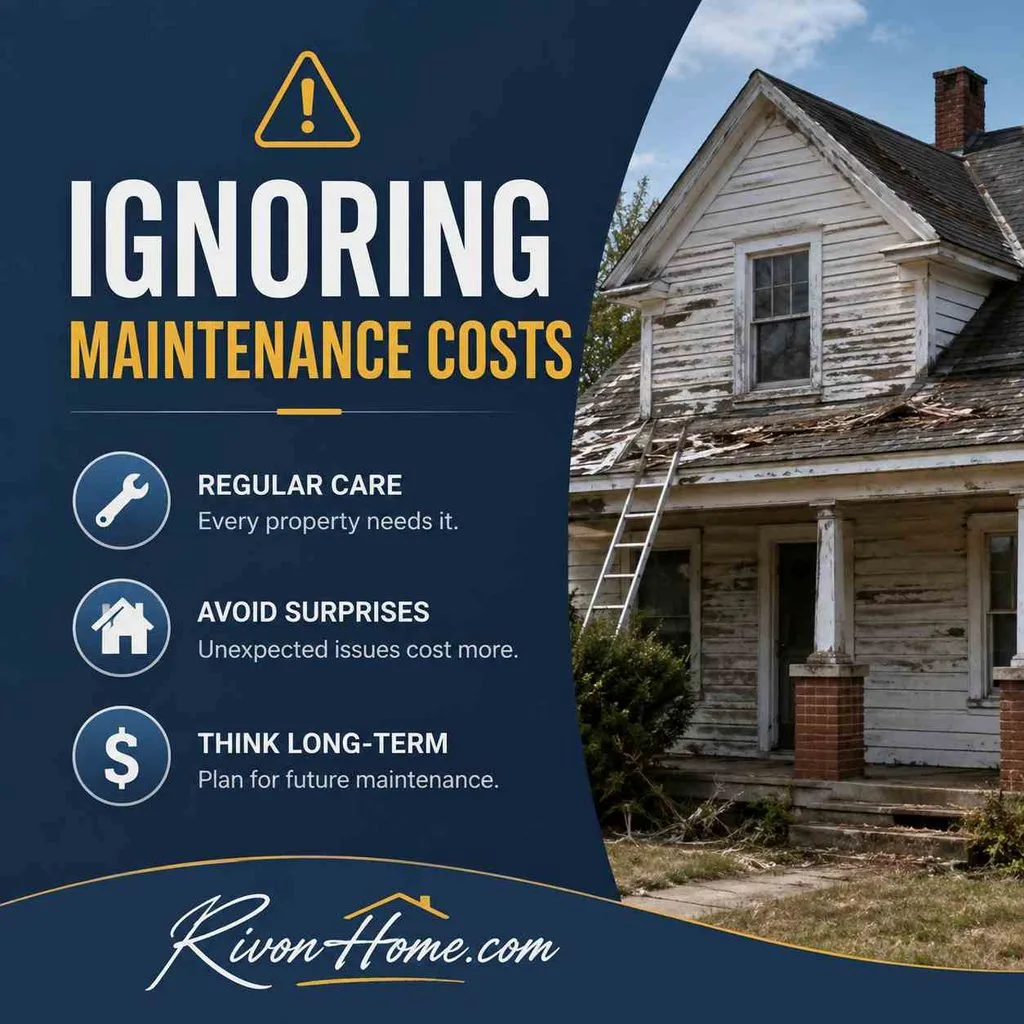
Ignoring Maintenance Costs
Every property needs regular care. Older buildings may require major repairs, while even newer homes can develop unexpected issues.
Before buying, consider both immediate repairs and long-term maintenance. A property that looks cheap can become expensive if it needs major work soon after purchase.
Underestimating Vacancies
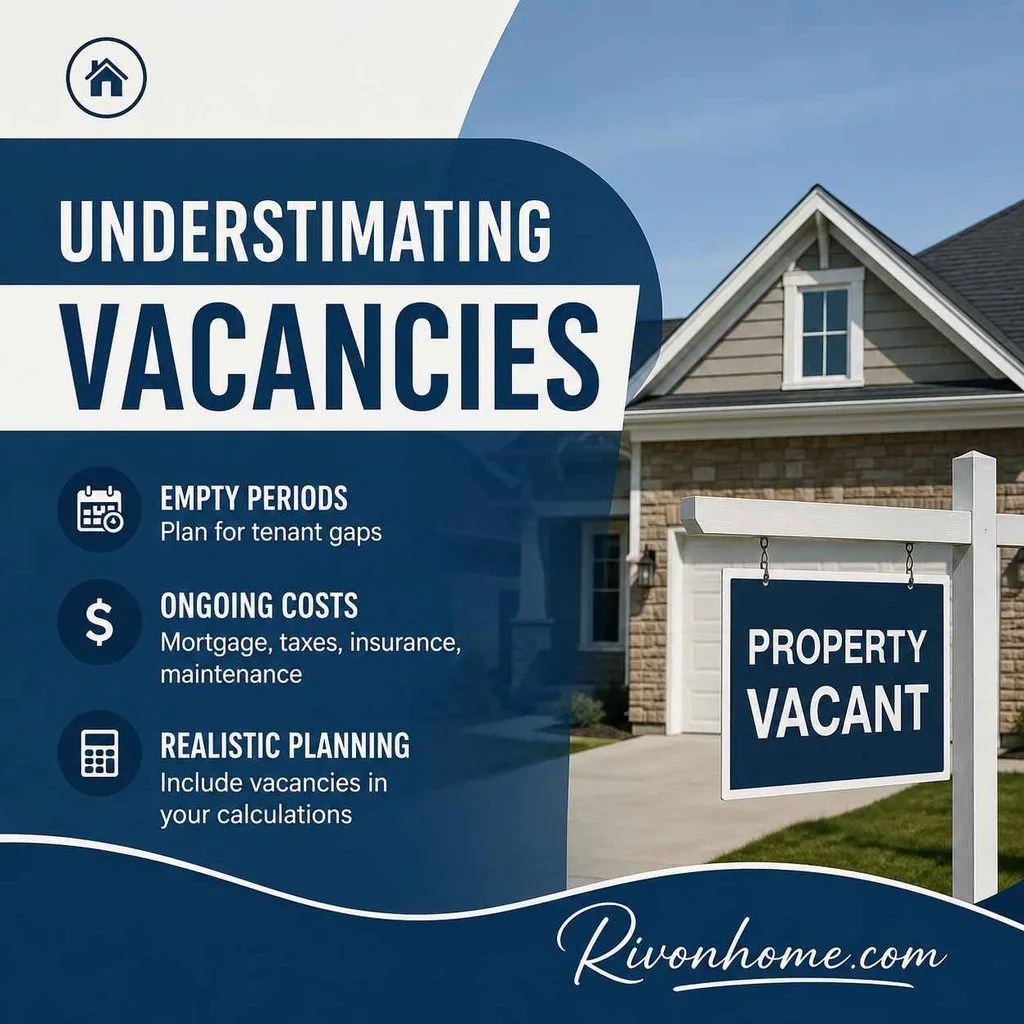
A rental property may not always have a tenant. During an empty period, you may still need to pay the mortgage, insurance, taxes, and maintenance costs.
Including possible vacancies in your calculations can give you a more realistic picture of the investment.
Borrowing Too Much
Financing can help people purchase property, but high levels of debt can also increase risk. A change in interest rates or a loss of rental income may make monthly payments harder to manage.
Before borrowing, consider whether you could still afford the property during a difficult period.

Following General Advice Without Research
Online content can teach useful ideas, but no article can fully understand your financial situation. Your income, debt, investment goals, and local property market are all different.
The U.S. Securities and Exchange Commission provides investor education resources that can help people understand investments and financial risks. SEC investor education resources.

Is Money6x.com a Real Estate Broker?
Based on the information available on its website, Money6x.com is better understood as an educational platform. It publishes content about financial topics, asset building, and real estate concepts.
The site does not currently present itself as a traditional real estate broker that lists and sells properties. This difference is important because reading about real estate and actually buying property are two very different activities.
Before investing, you should independently check property records, local laws, financing terms, market conditions, and the credentials of any company or professional involved.

Can Beginners Learn From Money6x.com?
Yes, beginners may find the platform useful for understanding basic real estate concepts. Topics such as rental yield, appreciation, cash flow, and REITs can help new investors become more familiar with the industry.
However, I would not recommend relying on only one source of information. Real estate is highly local, and advice that works in one city or country may not apply somewhere else.
Use educational content to build your knowledge, then study the specific market where you plan to invest. Local data and careful research are often more useful than general promises about making money.

Money6x.com Real Estate vs Buying Property Directly
There is a clear difference between learning about property investing and owning a property yourself. Educational content can explain the process, but direct ownership involves real financial responsibilities.
| Educational Content | Direct Property Ownership |
|---|---|
| Explains investing concepts | Requires actual financial decisions |
| Helps you learn basic terms | Requires local market research |
| No property maintenance | Repairs and maintenance are required |
| No tenant management | Owners may manage tenants |
| Lower financial risk to read | Buying property involves financial risk |
This is why education should come before action. Learn the basics, understand the numbers, and then carefully examine any real investment opportunity.
Is Real Estate a Good Way to Build Wealth?
Real estate can help people build wealth over time, but success is not guaranteed. The result may depend on the purchase price, financing, location, rental demand, property condition, and overall market.
Some people prefer direct ownership because they want control over the property. Others may prefer REITs because they do not want to manage tenants or handle repairs.
There is no single option that works for everyone. Your choice should depend on your financial goals, available capital, investment timeline, and ability to handle risk.

My View as an Architect
As an architect, I have learned that a building should never be judged only by its appearance. A stylish kitchen or impressive exterior may catch your attention, but problems with the structure, layout, or maintenance can have a much greater impact.
The same approach applies to real estate investing. Look beyond the surface and study the property carefully. Understand the location, condition, costs, and possible demand before making a decision.
In my experience, patience is often more valuable than excitement. A good property decision should be based on research and realistic numbers, not promises of quick wealth.

Final Thoughts
Money6x.com Real Estate can help beginners understand some of the basic ideas behind property investing. It covers useful topics such as rental income, appreciation, cash flow, REITs, and long-term asset building.
However, education should always be followed by your own research. Check the property’s condition, study the location, calculate all costs, and understand the possible risks before making a decision.
Real estate can be a valuable long-term asset, but there are no guaranteed results. Take your time, avoid rushing, and look beyond a property’s appearance. The best decisions usually come from careful research, realistic planning, and a clear understanding of what you are buying.
Frequently Asked Questions
What is Money6x.com Real Estate?
Money6x.com Real Estate is a section of the Money6x platform that shares educational content about property investing, rental income, appreciation, REITs, and long-term asset building.
Does Money6x.com sell houses?
Based on its current website, Money6x.com mainly publishes educational and financial content. It does not appear to operate as a traditional property marketplace.
Can I invest through Money6x.com?
The website should mainly be viewed as an educational resource. Before investing money through any platform, you should carefully check the company, the investment, its terms, and possible risks.
What is a REIT?
A REIT is a Real Estate Investment Trust. It can allow investors to gain exposure to income-producing real estate without directly buying and managing an individual property.
Is real estate investing risky?
Yes. Property values can fall, expenses can rise, tenants can leave, and repairs can cost more than expected. Like other investments, real estate involves risk and should be researched carefully.
