
Crispy Chinese Lemon Chicken Recipe Better Than Takeout

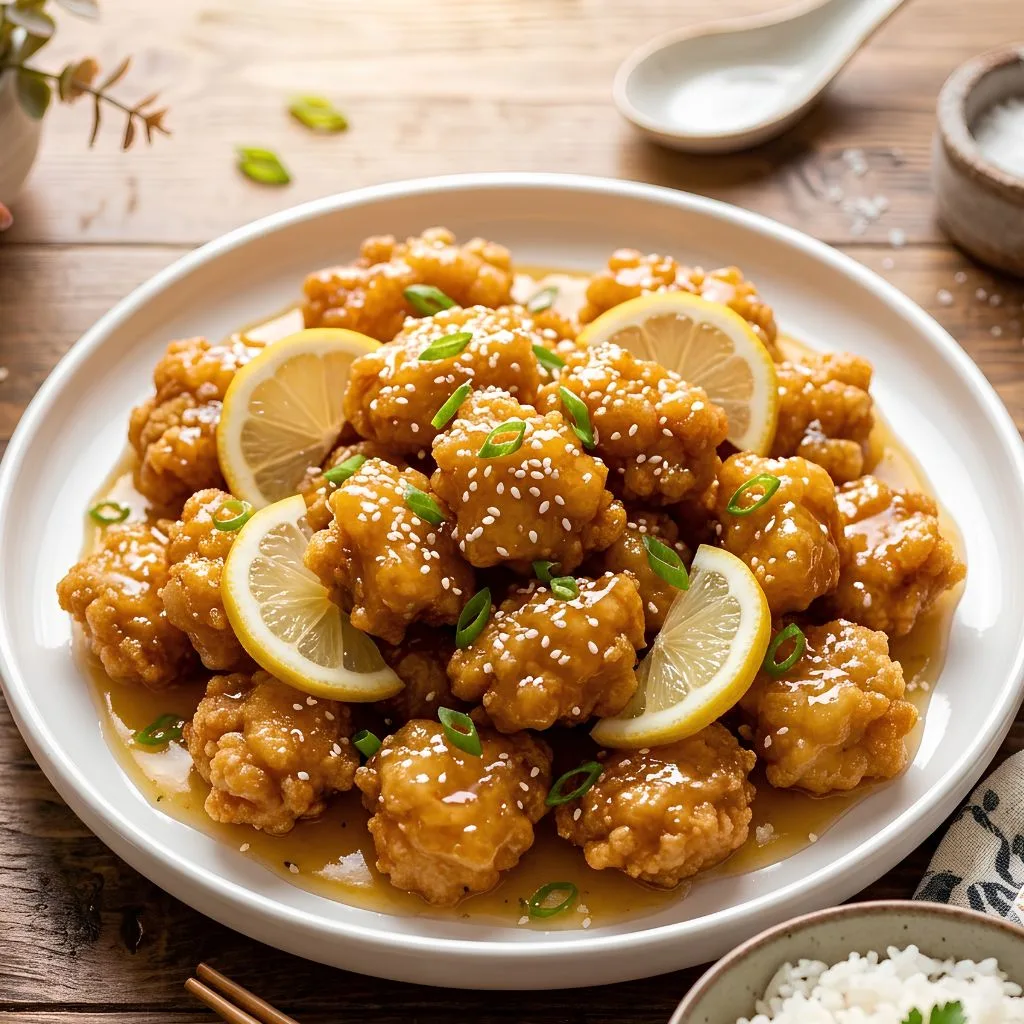
I love making Chinese Lemon Chicken Recipe at home because it brings the delicious flavors of my favorite Chinese takeaway straight to my kitchen. When I first made this recipe, I wanted juicy chicken, a crunchy coating, and a bright lemon sauce that tasted sweet, tangy, and fresh.
After trying different ways to balance the flavors, I found that fresh lemon juice, a little sugar, and the right amount of sauce make all the difference. This crispy lemon chicken recipe is surprisingly easy to prepare, even if you are new to Chinese-inspired cooking.
Once you try it, you may find yourself making this homemade favorite whenever you crave something delicious, comforting, and better than takeout.
Cooking Time
One of the best things about this simple Chinese lemon chicken recipe is that it comes together quickly, making it ideal for busy weeknights.
- Prep Time: 20 minutes
- Cooking Time: 20 minutes
- Total Time: 40 minutes
Ingredients for Chinese Lemon Chicken
I use simple ingredients to create tender chicken, a crispy coating, and a glossy lemon sauce. Each ingredient has a specific purpose, so a few small choices can make a big difference.
- 1 pound (450 g) boneless, skinless chicken breasts, cut into bite-sized pieces — Chicken breast cooks quickly and absorbs the lemon sauce well.
- 1/2 cup (65 g) all-purpose flour — Helps create a light, crisp outer coating.
- 1/2 cup (60 g) cornstarch — Gives the chicken a crunchier texture than flour alone.
- 2 large eggs — Help the flour and cornstarch mixture stick to the chicken.
- 1/2 teaspoon salt — Seasons the chicken without overpowering the sauce.
- 1/4 teaspoon black pepper — Adds a gentle, savory flavor.
- Vegetable oil, as needed for frying — Choose a neutral oil with a high smoke point.
- 1/2 cup (120 ml) fresh lemon juice — Provides the bright, tangy flavor that defines lemon chicken.
- 1/2 cup (100 g) granulated sugar — Balances the lemon’s sharpness with sweetness.
- 1/2 cup (120 ml) chicken broth — Adds savory depth and helps form the sauce.
- 1 tablespoon cornstarch for the sauce — Thickens the lemon mixture into a glossy coating.
- 1 tablespoon cold water — Mix with the sauce cornstarch to prevent lumps.
- 1 teaspoon finely grated lemon zest, optional — Adds a more intense citrus aroma without requiring extra juice.
- 1 teaspoon sesame seeds, optional — Makes a simple, attractive garnish.
- 1 tablespoon sliced green onions, optional — Adds fresh color and a mild onion flavor.
Note: Serves 4 people.
Equipment You Need
Having everything ready before you start makes the cooking process smoother and helps the chicken stay crispy.
- Sharp knife and cutting board: Cut the chicken into evenly sized pieces for consistent cooking.
- Mixing bowls: Prepare the coating, beat the eggs, and mix the sauce ingredients separately.
- Measuring cups and spoons: Keep the sweet, sour, and savory flavors balanced.
- Whisk: Combine the eggs and sauce ingredients smoothly.
- Heavy-bottomed skillet or deep frying pan: Fry the chicken evenly and maintain a steady temperature.
- Kitchen thermometer: Check the oil temperature and confirm the chicken reaches 165°F (74°C) internally.
- Slotted spoon or kitchen tongs: Remove the chicken safely from the hot oil.
- Wire rack: Drain excess oil while allowing air to circulate around the crispy coating.
- Small saucepan: Cook and thicken the lemon sauce without overcooking it.
How to Make a Chinese Lemon Chicken Recipe?
Making Chinese lemon chicken at home is easier than it looks.
I prepare the chicken, fry it until golden, and make a fresh lemon sauce while the chicken rests.
The secret is combining everything just before serving so the coating stays as crisp as possible.
Step 1: Prepare the Chicken
Cut the chicken breasts into evenly sized bite-sized pieces, trimming away any excess fat. Pat the pieces dry with paper towels to remove surface moisture.
Season lightly with salt and black pepper. Dry chicken gives the coating a better chance of sticking and becoming crispy during frying.
Step 2: Prepare the Coating
Crack the eggs into a bowl and whisk until smooth. In another bowl, combine the flour and cornstarch thoroughly.
Dip the chicken pieces into the beaten eggs, then coat them with the flour mixture. Shake off any excess coating so the pieces fry evenly without developing thick, doughy patches.
Step 3: Heat the Oil
Pour enough vegetable oil into a heavy-bottomed pan for shallow or deep frying, depending on your preferred method. Heat it to approximately 350°F (175°C), using a thermometer if available.
Avoid adding the chicken before the oil is hot enough. Oil that is too cool can make the coating greasy, while excessively hot oil can brown the outside before the chicken cooks through.
Step 4: Fry the Chicken Until Golden
Carefully add the coated chicken pieces in small batches. Leave enough room between them so the oil temperature does not drop too much.
Fry for approximately 4–6 minutes per batch, depending on the size of the pieces. Turn as needed until the coating is golden and crisp and the thickest pieces reach an internal temperature of 165°F (74°C).
Step 5: Drain and Rest the Chicken
Remove the cooked chicken with a slotted spoon or tongs. Place the pieces on a wire rack set over a tray so excess oil can drain away.
Avoid stacking the chicken or covering it tightly while hot. Trapped steam softens the coating, making it harder to achieve that classic crispy lemon chicken Chinese takeaway texture.
Step 6: Make the Chinese Lemon Sauce
Add the fresh lemon juice, sugar, and chicken broth to a small saucepan. Whisk the ingredients together and bring the mixture to a gentle simmer over medium heat.
In a separate small bowl, combine the sauce cornstarch with cold water until smooth. Slowly whisk this slurry into the simmering lemon mixture and cook for 1–2 minutes, stirring until the sauce thickens and becomes glossy.
Step 7: Adjust the Flavor
Taste the sauce before adding the chicken. If it tastes too sour, add a little more sugar; if it is too sweet, add a small splash of lemon juice.
I prefer a sauce that balances sweetness and tanginess without masking the chicken’s savory flavor. Add the optional lemon zest at this stage if you want a stronger citrus aroma.
Step 8: Coat the Chicken and Serve
Add the crispy chicken to a large bowl and drizzle over just enough warm lemon sauce to coat the pieces. Toss gently so the coating does not break apart.
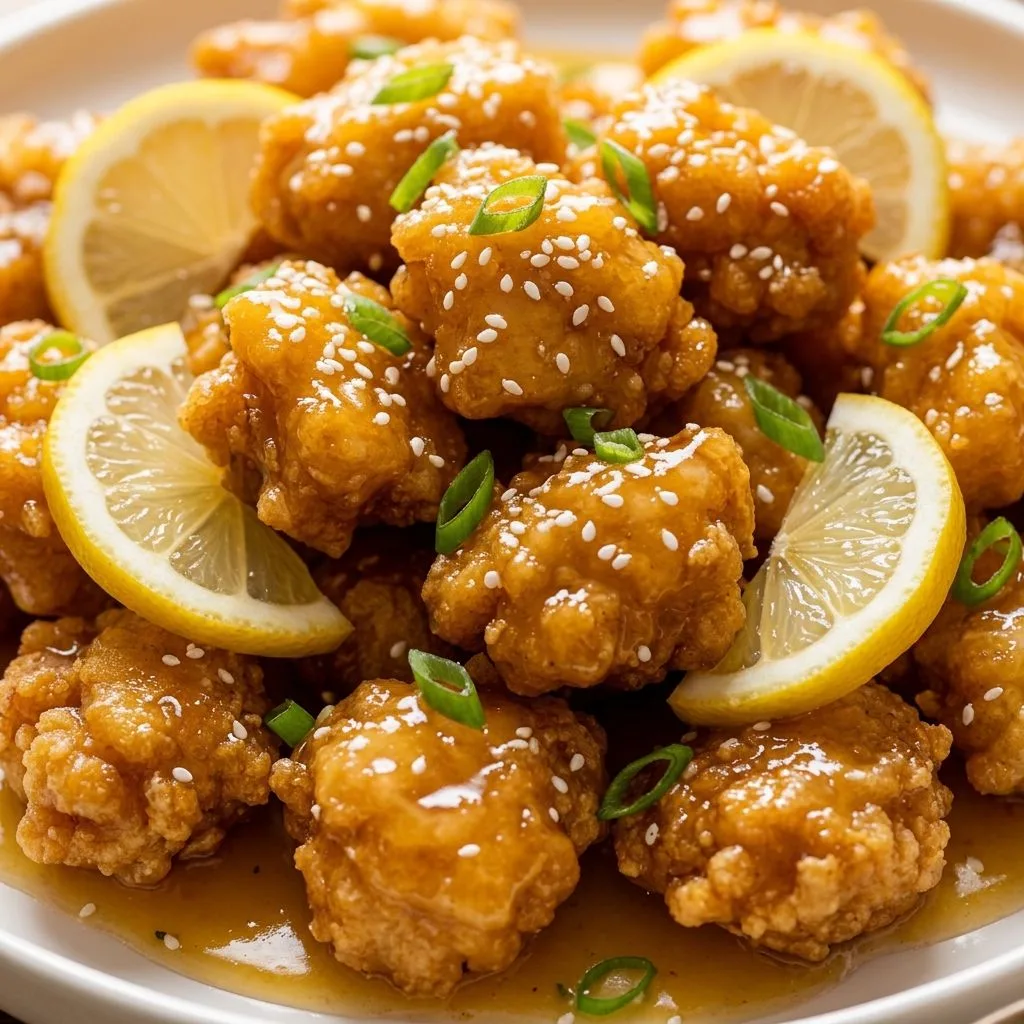
Transfer the chicken to a serving platter and finish with sesame seeds, sliced green onions, or a few thin lemon slices. Serve immediately with steamed rice or your favorite Chinese-inspired side dishes.
Additional Tips for Making This Recipe Better
After making this lemon chicken recipe, I have found that a few simple techniques make the biggest difference in flavor and texture.
- I always use fresh lemon juice because it gives the sauce a brighter, cleaner citrus flavor than bottled juice.
- I combine flour with cornstarch to create a coating that is crisp without becoming too heavy.
- I fry the chicken in small batches so the oil stays hot and the pieces brown evenly.
- I keep the sauce separate until serving because even perfectly fried chicken softens when it sits in liquid.
- I taste the sauce before thickening it completely, adjusting the sweetness and acidity to suit my preference.
- I use a wire rack instead of piling the chicken onto paper towels, which helps prevent steam from collecting underneath.
- I prepare the rice and garnishes ahead of time so I can serve the chicken immediately after tossing it in the sauce.
Common Mistakes to Avoid
These are the mistakes I pay attention to whenever I make homemade Chinese lemon chicken.
- Using wet chicken: I pat the chicken dry before coating it because excess moisture can make the crust slippery and uneven.
- Overcrowding the pan: I fry smaller batches to maintain the oil temperature and avoid soggy chicken.
- Making the sauce too thick: I add the cornstarch slurry gradually and stop cooking when the sauce lightly coats a spoon.
- Adding the sauce too early: I wait until the last moment to toss the chicken, keeping the crispy coating from becoming soft.
- Skipping the temperature check: I use a thermometer to make sure the chicken reaches 165°F (74°C) without overcooking it.
How to Serve Chinese Lemon Chicken?
Chinese lemon chicken tastes best when served hot, with its golden coating and shiny lemon sauce on display. I like to make the presentation colorful while keeping the accompaniments simple.
- With steamed jasmine rice: The mild flavor of the rice balances the tangy lemon sauce and absorbs any extra sauce on the plate.
- With fried rice: Pair it with vegetable fried rice for a satisfying Chinese-inspired dinner.
- With stir-fried vegetables: Serve broccoli, bell peppers, snow peas, or carrots alongside the chicken for extra color and texture.
- With noodles: Toss egg noodles with a little sesame oil and vegetables for an easy takeaway-style meal.
- For an attractive presentation: Arrange the chicken in a single layer on a wide platter, drizzle with sauce, and finish with green onions, sesame seeds, and lemon slices.
For the best texture, serve the sauce on the side if you are preparing the dish for guests or expect the meal to sit on the table for a while.
Variations
One reason I enjoy this Chinese chicken recipe is that I can adjust the ingredients and cooking method to suit different preferences.
- Chinese lemon chicken recipe, not fried: Brush lightly coated chicken with oil and bake at 425°F (220°C), turning as needed, until golden and cooked through. The texture will be less crunchy than deep-fried chicken.
- Air-fryer lemon chicken: Arrange the coated pieces in a single layer, lightly spray with oil, and air-fry at approximately 400°F (200°C), checking for doneness and turning halfway through.
- Gluten-free option: Replace all-purpose flour with a suitable gluten-free flour blend and confirm that your broth and other ingredients are gluten-free.
- Sugar-free version: Use a suitable granulated sugar substitute according to its package directions. The flavor and thickness may differ from the original sauce.
- Honey lemon chicken: Replace some or all of the sugar with honey, adjusting the amount to taste for a slightly floral sweetness.
- Spicy lemon chicken: Add chili flakes, finely chopped fresh chili, or a little chili sauce to introduce gentle heat.
- Extra-garlicky version: Stir a small amount of minced garlic into the sauce while it simmers for a deeper savory flavor.
- Store-bought sauce shortcut: A ready-made Chinese lemon sauce can save time. I recommend checking its sweetness and thickness before adding it to the chicken.
- Chicken thigh variation: Use boneless, skinless chicken thighs for a juicier result, cutting them into similarly sized pieces and cooking until they reach a safe internal temperature.
Nutritional Information
The following figures are approximate estimates per serving, assuming the recipe serves four people. Actual values vary with oil absorption, ingredient brands, and the amount of sauce used.
- Calories: Approximately 450–550 kcal
- Protein: Approximately 28–35 g
- Carbohydrates: Approximately 40–55 g
- Fat: Approximately 15–25 g
These estimates include the chicken, coating, and sauce but do not include rice or other side dishes. For a lighter meal, consider baking or air-frying the chicken and reducing the sugar in the sauce.
Make Ahead and Storage
With a little planning, you can prepare parts of this recipe ahead of time without sacrificing too much of its fresh flavor and texture.
Make Ahead
I prepare the lemon sauce up to 2–3 days in advance and refrigerate it in an airtight container. I also cut the chicken and measure the dry coating ingredients ahead of time, keeping everything covered and refrigerated as appropriate.
For the crispiest results, I cook the chicken shortly before serving rather than frying it hours in advance. Keep raw chicken separate from ready-to-eat ingredients.
Refrigeration
Store leftover chicken and sauce in separate airtight containers in the refrigerator at 40°F (4°C) or below. Cooked chicken leftovers should generally be eaten within 3–4 days.
Refrigerate perishable food within two hours of cooking, or within one hour if the surrounding temperature is above 90°F (32°C). Keeping the sauce separate helps the chicken retain more of its texture.
Freezing
For longer storage, freeze cooked chicken in a freezer-safe container or bag for up to 2–3 months for best quality. Freeze the sauce separately if possible, allowing space for expansion in its container.
Thaw frozen leftovers in the refrigerator rather than on the counter. The coating may soften after freezing, but reheating in an oven or air fryer can help restore some crispness.
Reheating
I reheat leftover chicken in an oven at 375°F (190°C) or in an air fryer until it is heated through. Spread the pieces out in a single layer and avoid covering them, which can trap steam.
Warm the lemon sauce separately in a small saucepan, adding a splash of water or broth if it has become too thick. For food safety, reheat leftovers to 165°F (74°C), then combine just before serving.
Why You’ll Love This Recipe?
This homemade lemon chicken brings together familiar ingredients, bright citrus flavor, and a satisfying crunch. Here are a few reasons it deserves a place in your regular dinner rotation.
- Better than takeaway: I love being able to control the freshness, sweetness, and seasoning while enjoying a familiar restaurant-style dish at home.
- Simple ingredients: Most ingredients are pantry staples or easy to find at the grocery store, so there is no need for a complicated shopping list.
- A balanced sweet-and-sour flavor: Fresh lemon juice gives the sauce a lively tang, while sugar softens the acidity and chicken broth adds savory depth.
- Easy to customize: I can change the heat level, use chicken thighs, reduce the sugar, or choose a different cooking method to match my preferences.
- Perfect for sharing: The recipe serves four, making it a convenient option for family dinners, casual gatherings, or a homemade Chinese-inspired feast.
FAQs
What Is Chinese Lemon Chicken Made Of?
Chinese lemon chicken usually features bite-sized pieces of chicken with a crisp coating, served with a sweet and tangy lemon sauce. This homemade version uses chicken, flour, cornstarch, eggs, fresh lemon juice, sugar, and chicken broth.
Can I Make Chinese Lemon Chicken Without Deep-Frying?
Yes. You can bake or air-fry the coated chicken with a light spray of oil. The result will usually be less crunchy than deep-fried chicken, but it can still be delicious when paired with freshly prepared lemon sauce.
Can I Use Store-Bought Chinese Lemon Sauce?
Absolutely. Ready-made Chinese lemon sauce is a convenient shortcut when you want dinner on the table quickly. Taste it before serving because some brands are sweeter, thicker, or more acidic than homemade sauce.
How Do I Keep Lemon Chicken Crispy?
I recommend frying the chicken in small batches, draining it on a wire rack, and keeping the sauce separate until serving. If you have leftovers, reheat the chicken in an oven or air fryer rather than a microwave for a better texture.
Is Chinese Lemon Chicken Healthy?
It can fit into a balanced diet, but the traditional fried coating and sweet sauce add calories, fat, and sugar. For a lighter Chinese lemon chicken recipe, not fried, bake or air-fry the chicken, reduce the added sugar, and serve it with vegetables and steamed rice.
